プレビュー
プレビュー
 シェアする
シェアする シェアする
シェアする
 詳細を見る
詳細を見る

 ダウンロード
 似ている作品
 X線調査
X線調査 スライドショー
Miracle of St Eligius
 Tempera On Panel
- Early Renaissance
 1490
1490- Renaissance
 21.0 x 269.0 cm
 ウフィツィ美術館
 詳細を見る
詳細を見る
ジークレー/アートプリント
迅速な制作と多彩な仕上げオプションを備えた、ミュージアムクオリティのジークレーまたはキャンバスプリント。 ( 手描きの絵画を購入 画像を購入)




P118B $10

P118H $10

P118W $10

P438Z $10

P508JH $12

P508YH $12

P805H $10

P805Z $10

P919BZ $10

P919G $10

P919XJ $10

P959ZH $10

P968JZ $12

W106C $8

W218G $10

W218JH $8

W218Y $10

W307PJ $10

W316G $10

W316PJ $8

W316Y $10

W398PJ $8

W4111J $10

W500HY $15

W500JH $15

W692G $12

W849H $8

W940BG $15

W953PJ $8




作品のオリジナル比率に合わせた、当店の規定サイズからお選びください。

特定のフレームやスペースに合わせて、ご自身でサイズを指定することも可能です。選択されたサイズが元の画像の比率と一致しない場合、作品をトリミングするか、鏡面反射または単色での塗りつぶしによって画像を拡張いたします。制作を開始する前に、ご確認用のデジタルモックアップをお送りいたします。
画面上のプレビューには、実際のトリミングや拡張は反映されませんのでご注意ください。最終的な構図を正確に確認できるのは、モックアップのみとなります。
カスタムサイズも承っておりますが、元の比率を維持するためには、あらかじめ用意されたリストからサイズを選択することをお勧めいたします。


 ガラスオプションは、110cm未満のサイズでのみご利用いただけます。

Miracle of St Eligius
ジークレー/アートプリント
複製画のサイズ
-


合計金額
$ 80
作品詳細説明
A Divine Encounter in Tempera: The Miracle of St. Eligius
In the quiet, hallowed corridors of the Galleria degli Uffizi, there exists a slender window into the spiritual fervor of the Italian Renaissance. Sandro Botticelli’s Miracle of St. Eligius, a delicate predella panel from the Altarpiece of St. Mark, invites viewers to step back into the year 1490. This is not merely a painting; it is a captured moment of divine intervention, rendered with the meticulous grace that defined Botticelli’s mastery. The scene unfolds within a dimly lit interior, where the boundaries between the earthly and the celestial seem to blur. As we gaze upon the composition, we find ourselves drawn into an intimate conversation involving St. Eligius, a figure of profound significance to the goldsmiths' guild, surrounded by attendants and a remarkably calm horse that anchors the room’s quiet tension.
The technique employed here—tempera on panel—is essential to the painting's ethereal quality. Unlike the heavy, oily textures of later eras, Botticelli’s use of tempera allows for a luminous, almost porcelain-like finish. Each stroke is deliberate, contributing to a clarity of form that makes the small-scale work feel expansive. The artist utilizes light and shadow with a sophisticated touch, casting soft glows upon the figures to create a sense of three-dimensional presence within the dark, arched confines of the room. This interplay of light does more than just define shape; it directs our emotional journey, pulling our eyes toward the central miracle: the saint at his anvil, working metal with a precision that mirrors his spiritual devotion.
Symbolism and the Craft of the Sacred
Every element within this narrow frame serves a higher narrative purpose. St. Eligius, depicted with a distinctive red hat signifying his sanctity, is shown engaged in his craft. The presence of the hammer and the piece of metal under his hand speaks to his dual identity as both a skilled blacksmith and a holy man. This connection between manual labor and divine grace is a cornerstone of the painting's symbolism, making it particularly resonant for those who find beauty in craftsmanship and dedication. To his side, a woman in verdant green observes the scene, her gaze acting as a surrogate for our own wonder, bridging the gap between the historical miracle and the modern observer.
The inclusion of the horse, draped in a soft yellow blanket, adds a layer of unexpected tenderness to the composition. The animal’s calm demeanor suggests a world where nature itself is attuned to the presence of the divine. Even the seemingly mundane objects—the chairs, the cups, and the book tucked away to the side—contribute to an atmosphere of domestic sanctity. For the collector or interior designer, this piece offers more than just aesthetic beauty; it provides a narrative depth that can transform a space, turning a room into a sanctuary of contemplation and historical reverence.
A Timeless Masterpiece for the Discerning Collector
Owning a reproduction of such a significant work is an opportunity to invite the elegance of the Florentine Renaissance into a contemporary setting. Whether placed in a curated gallery wall or serving as a focal point in a sophisticated study, a high-quality oil painting reproduction of The Miracle of St. Eligius captures the soul of Botticelli’s vision. The vibrant colors and the intricate details of the predella panel are preserved through meticulous hand-painting techniques, ensuring that the emotional weight of the original—the sense of awe, the quietude of the workshop, and the brilliance of the Renaissance spirit—is felt by all who encounter it.
アーティストの略歴
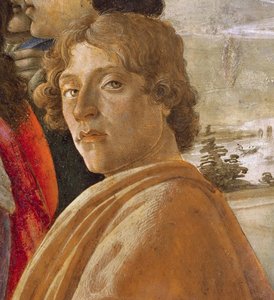
サンドロ・ボッティチェリ:ルネサンスの詩人画家
1445年頃、フィレンツェで生まれたアレッサンドロ・ディ・マリアーノ・ディ・ヴァンニ・フィリペピ。後にサンドロ・ボッティチェリとして知られる彼は、初期ルネサンス期の最も重要な芸術家の一人であり、その作品は美と調和の象徴として、時代を超えて人々を魅了し続けています。彼の人生は、メディチ家の庇護のもと、フィレンツェという文化の中心地で展開され、芸術、哲学、文学が花開く時代を背景に、独自の芸術世界を築き上げました。
ボッティチェリの初期の教育については詳細は不明ですが、金細工師としての修行を経て、画家フィリッポ・リッピのもとで絵画技術を習得したことが知られています。リッピの影響を受けながらも、彼は独自のスタイルを確立し、アンтонио・デル・ポーライオーロやアンドレア・デル・ヴェロッキオといった同時代の巨匠からも影響を受けました。特に、彫刻的な人物描写と、繊細な線描が特徴的であり、彼の作品に独特の魅力を生み出しました。
ボッティチェリの芸術の特徴は、その優雅で詩情豊かな表現にあります。「ヴィーナスの誕生」や「春(プリマヴェーラ)」に見られるように、古典古代の神話や寓意を題材に取り入れながら、独自の解釈と美意識に基づいた作品を生み出しました。これらの作品は、単なる物語の描写ではなく、愛、美、そして精神的な高揚といった普遍的なテーマを探求するものであり、ルネサンス期の人文主義思想を体現するものとして高く評価されています。彼の描く人物たちは、洗練された衣装を身につけ、優雅なポーズをとっており、まるで生きているかのような生命力に満ち溢れています。
ボッティチェリの作品は、その繊細な色彩と線描によって特徴づけられます。彼は、テンペラ画という技法を多用し、鮮やかな色彩と緻密な描写を実現しました。また、彼の作品には、銀筆(シルバーポイント)による下絵が施されていることが多く、その繊細なタッチは、最終的な作品の完成度を高めています。特に「ヴィーナスの誕生」におけるヴェーヌス像の肌の表現や、「春」における人物たちの衣装の描写は、彼の卓越した技術力の証と言えるでしょう。
晩年と再評価
15世紀末には、ドミニコ会の修道士ジロラモ・サヴォナローラの布教活動の影響を受け、ボッティチェリの芸術にも変化が見られます。サヴォナローラは、当時のフィレンツェにおける奢侈や退廃を厳しく非難し、宗教的な清貧と禁欲を説きました。その結果、ボッティチェリもまた、自身の作品に宗教的なテーマを取り入れ、より内省的で精神的な表現へと傾倒していったのです。
しかし、彼の晩年の作品は、当時の世情に受け入れられず、忘れ去られてしまうという憂き目に遭いました。19世紀に入り、前ラファエロ派の画家たちがボッティチェリの作品を再評価し、その芸術的な価値を広く知らしめました。彼らの熱心な支持によって、ボッティチェリはルネサンス期の最も重要な芸術家の一人として、再び脚光を浴びることになったのです。
今日、ボッティチェリの作品は、世界中の美術館に所蔵されており、多くの人々を魅了し続けています。彼の作品は、ルネサンス期における美意識と精神性を象徴するものであり、芸術史において不朽の名声を確立しています。特に「ヴィーナスの誕生」や「春」は、西洋美術の金字塔として、その地位を不動のものとしているのです。
主要作品
- ヴィーナスの誕生 (La nascita di Venere)
- 春(プリマヴェーラ)(Primavera)
- マギの礼拝 (Adorazione dei Magi)
- 神秘の受胎告知 (Natività mistica)
ボッティチェリ
1445 - 1510 , イタリア
基本情報
- フルネーム: サンドロ・ボッティチェリ
- 主な作品:
- ヴィーナスの誕生
- 春の賛歌
- マギの礼拝
- 出生地: フィレンツェ(イタリア)
- 国籍: イタリア
- 影響を与えた芸術家または運動: ['プレラファエライト協会']
- 影響を受けたアーティスト:
- フラ・フィリッポ・リピ
- パオロ・ウッチョロ
- 死亡年月日: 1510年5月17日
- 生年月日: 1445年3月1日頃
- 芸術運動またはスタイル: 初期ルネサンス
関連記事
ボッティチェリの至宝25選:ルネサンス美術の華麗なる世界 | OriginalUniqueArt
ボッティチェリの至宝25選。ルネサンス美術を代表する「春」「ヴィーナスの誕生」など、名画の物語と芸術史を紐解きます。OriginalUniqueArtで高品質な複製画やインテリアアートを見つけ、お部屋に永遠の美を。今すぐコレクションをご覧ください。

エル・グレコの傑作25選:魂を揺さぶる宗教画と芸術の深淵 | OriginalUniqueArt
エル・グレコの傑作25選:魂を揺さぶる宗教画の世界へ。スペイン絵画の巨匠、マニエリスム様式と Toledo の光彩を紐解きます。OriginalUniqueArt.com で名画のアートプリントや複製画をお楽しみください。コレクションはこちら →
初期ルネサンス美術を彩る至宝:10選が示す革新と美の源泉
初期ルネサンス美術の革新を彩る10選。ボッティチェリ、ダ・ヴィンチの名作から、時代を超越する美と技術を紐解きます。壁掛けアートやインテリアにインスピレーションを。OriginalUniqueArt.comで至宝のコレクションをオンラインで発見しましょう!
ウフィツィ美術館の至宝25選:ルネサンス巨匠たちの傑作とアートデコレーション
ウフィツィ美術館の至宝25選:ボッティチェリ、レオナルド・ダ・ヴィンチ…ルネサンス巨匠たちの傑作と感動的な物語を紐解きます。高品質な絵画複製やアートプリントで、お部屋に名画の輝きを。OriginalUniqueArt.comで芸術の世界へ。
フラ・アンジェリコの傑作25選:ルネサンス美術の神髄と至高の装飾 | OriginalUniqueArt
フラ・アンジェリコの傑作25選。ルネサンス美術の神髄を紐解き、天使のような静謐な色彩と宗教画の世界へ誘います。壁画やフレスコ画の技法、修道院に息づく祈りの絵…OriginalUniqueArtで至高のアートプリントをお手軽に。コレクションを探索する。