

 プレビュー
プレビュー
 シェアする
シェアする シェアする
シェアする
 詳細を見る
詳細を見る

 ダウンロード
 似ている作品
 X線調査
X線調査 スライドショー
 統計情報
統計情報Sketchbook, folio 5 verso
 Pencil
- WallArt
- Romanticism
 1824
1824- 19th Century
 116.0 x 189.0 cm
 ヴィクトリア&アルバート博物館
 詳細を見る
詳細を見る
ジークレー/アートプリント
迅速な制作と多彩な仕上げオプションを備えた、ミュージアムクオリティのジークレーまたはキャンバスプリント。 ( 手描きの絵画を購入 デジタル画像販売へ切り替え)




P118B $10

P118H $10

P118W $10

P438Z $10

P508JH $12

P508YH $12

P805H $10

P805Z $10

P919BZ $10

P919G $10

P919XJ $10

P959ZH $10

P968JZ $12

W106C $8

W218G $10

W218JH $8

W218Y $10

W307PJ $10

W316G $10

W316PJ $8

W316Y $10

W398PJ $8

W4111J $10

W500HY $15

W500JH $15

W692G $12

W849H $8

W940BG $15

W953PJ $8




作品のオリジナル比率に合わせた、当店の規定サイズからお選びください。

特定のフレームやスペースに合わせて、ご自身でサイズを指定することも可能です。選択されたサイズが元の画像の比率と一致しない場合、作品をトリミングするか、鏡面反射または単色での塗りつぶしによって画像を拡張いたします。制作を開始する前に、ご確認用のデジタルモックアップをお送りいたします。
画面上のプレビューには、実際のトリミングや拡張は反映されませんのでご注意ください。最終的な構図を正確に確認できるのは、モックアップのみとなります。
カスタムサイズも承っておりますが、元の比率を維持するためには、あらかじめ用意されたリストからサイズを選択することをお勧めいたします。


 ガラスオプションは、110cm未満のサイズでのみご利用いただけます。

Sketchbook, folio 5 verso
ジークレー/アートプリント
複製画のサイズ
-


合計金額
$ 80
A Window into the Romantic Soul
In the quiet intimacy of Sketchbook, folio 5 verso, we are invited to witness the raw, unmediated pulse of a creative mind at work. Created in 1824 by the visionary British Romantic painter Samuel Palmer, this sketchbook page serves as a profound temporal bridge, transporting the viewer back to an era of intense spiritual and natural inquiry. Rather than a polished, finished masterpiece intended for a gallery wall, this folio offers something far more precious: a glimpse into the artist's private laboratory of thought. The aged paper, bearing the gentle patina of nearly two centuries, cradles a dense tapestry of pencil sketches, notes, and fleeting observations that reveal how Palmer perceived the world—not merely as a collection of objects, but as a living, breathing entity imbued with divine presence.
The composition is a captivating dance of organized chaos. At first glance, the eye wanders through a labyrinth of landscapes, architectural fragments, and delicate annotations. A central figure, seated upon a low wall or bench, gazes away from the viewer toward an unfolding horizon, embodying a sense of profound introspection. This figure acts as our surrogate, inviting us to share in their silent contemplation of the natural world. Surrounding this focal point are various vignettes of trees, foliage, and structural elements like arches and columns, all rendered with a rhythmic vitality. The arrangement suggests a mind constantly scanning, capturing, and recording the ephemeral beauty of the English landscape through a lens of Romantic sensibility.
The Mastery of Line and Light
Technically, the work is a masterclass in the expressive potential of a single medium: pencil on paper. Without the luxury of color, Palmer relies entirely on the nuance of pressure, hatching, and line weight to breathe life into his subjects. The palette is a sophisticated study in monochrome, utilizing the natural cream and beige tones of the antique paper to provide a warm, luminous backdrop. Through delicate shading and varying densities of graphite, he creates a sense of atmospheric depth; certain areas feel shrouded in the soft mist of a morning dawn, while others possess a crisp, structural clarity. The organic shapes of the trees and undulating landscapes are defined by loose, gestural strokes that convey movement and growth, contrasted beautifully against the more precise, disciplined lines used for architectural details.
For the discerning collector or interior designer, this piece offers an unparalleled sense of texture and historical weight. The visible grain of the paper and the delicate interplay of light and shadow within the sketches provide a tactile quality that is rare in modern prints. It is a work that does not demand attention through loud colors, but rather commands it through its quiet, sophisticated complexity. Incorporating a high-quality reproduction of this folio into a curated space can introduce an element of intellectual depth and serene tranquility, making it an ideal centerpiece for a study, a library, or a room designed for reflection.
A Legacy of Visionary Inspiration
To understand the emotional resonance of this sketchbook page, one must consider Palmer’s place in art history. This was the era of his transformative encounter with William Blake, a meeting that would forever alter the trajectory of his work, infusing it with a mystical, almost prophetic quality. The sketches in folio 5 verso reflect this burgeoning spiritual depth; the landscapes are not merely topographical studies but are charged with an emotional intensity that seeks to find the infinite within the finite. There is a palpable sense of connection to the environment—a belief that the rustle of leaves or the curve of a hill holds a sacred significance.
Owning or displaying a reproduction of this work is more than an aesthetic choice; it is an engagement with the very essence of the Romantic movement. It celebrates the beauty of the process, the importance of observation, and the enduring power of the human spirit to find wonder in the smallest details. Whether viewed as a historical document or a piece of fine art, Sketchbook, folio 5 verso remains a timeless testament to the magic found in the quiet moments of artistic discovery.
アーティストの略歴
初期の生活とビジョンの種
1805年にロンドンで生まれたサミュエル・パルマーは、知的好奇心と精神的な探求心が深く息づく世界から現れました。本屋を営み、バプテスト派の牧師であった父から、文学への愛と思索的な性質を受け継ぎました。彼の初期の芸術的才能は驚くほど早く開花し、12歳になる頃にはすでに熱心に教会を描いており、観察力と細部への天性の才能を示していました。この早熟な能力はすぐに認められ、わずか14歳のとき、パルマーはJ.M.W.ターナーに触発された作品をロイヤル・アカデミーで展示し、彼の芸術的な道のりの有望な始まりを告げました。正式な訓練を受ける機会は限られており、マーチャント・テイラーズ・スクールでの短い期間も体系的な美術教育を提供するには至りませんでしたが、1824年に風景画家ジョン・リネルを通じてウィリアム・ブレイクと出会ったことで、彼の道筋は決定的に変わりました。この出会いは変革的でした。なぜなら、ブレイクのビジョナリーな様式と深遠な精神性はパルマーの心に深く響き渡り、彼の芸術的アイデンティティの礎となったからです。ショーラム時代:神秘的な牧歌の世界
ケント州ショーラム近郊での年月(1826年~1835年)は、サミュエル・パルマーのキャリアの中で最も創造的で独特な時期を占めています。彼は「ラット・アビー」という愛称で呼ばれる質素なコテージを購入し、そこ、起伏に富んだ丘陵と古代の森の中で、彼独自の芸術的声を磨き上げました。この時代は単に風景を描写することだけではありませんでした。それは、それらの風景を神秘的な美と精神的な響きの領域へと「変容」させることだったのです。パルマーのショーラムの絵画は、セピア調の色使いが喚起的に用いられているのが特徴で、時を超えた感覚とメランコリーを生み出し、しばしば月光のこの世のものとは思えない輝きに包まれています。これらは単なる自然の再現ではなく、個人的な象徴主義と土地との深い繋がりを帯びた理想化されたビジョンでした。彼はこの探求において孤立していたわけではありません。パルマーはジョージ・リッチモンドやエドワード・カルバートら、「アンシエント」として知られる志を同じくする芸術家たちのグループと結びつき、皆がブレイクの神秘的な傾向に惹かれ、自らの芸術の中に精神的な次元を復活させようとしていました。この集団は共有されたアイデアと相互のインスピレーションの環境を育み、パルマーのビジョナリーな牧歌絵画への献身を確固たるものにしたのです。移りゆく潮流:ロンドン、イタリア、そして安定の追求
1835年、パルマーはロンドンに戻り、彼の芸術的な軌跡における転換点となりました。ショーラム絵画の強烈な神秘主義的な様式は、より伝統的な風景画や水彩画へと徐々に移行し始めました。この変化は、部分的には経済的な必要性と、当時の世間の好みに合わせるよう促した義父ジョン・リネルからの現実的な助言によって左右されていました。彼は引き続き精力的に絵を描き続けましたが、パルマーは収入源として水彩画にますます頼るようになりました。これは当時イギリスで人気のある媒体でしたが、彼の芸術的野心を完全に満たすものではなかったのかもしれません。1837年から1839年にかけての妻ハナ・リネルとのイタリアへのハネムーン旅行は、彼のパレットを広げ、作品に明るい色彩をもたらしましたが、これらは時には同時代人から見て過度に鮮やかだと見なされる色調を生むこともありました。収入を補うため、パルマーは私的な絵画指導の仕事に就き、これは彼自身の芸術的追求に費やせる時間を制限する骨の折れる職業でした。経済的な困難がこの期間を通して彼を苦しめました。特に、彼の兄が初期の多くの作品を質に入れざるを得なかったことは状況を悪化させ、パルマーは多大な費用を払ってそれらを買い戻さなければなりませんでした。晩年と不朽の遺産
1862年にサリー州レッドヒルにあるファーズ・ヒル・ハウスへ移住したことは、パルマーの生活に一定の経済的安定をもたらし、彼が初期のショーラム絵画で見せたビジョナリーな様式を再訪することを可能にしましたが、それはより成熟し洗練された技法によるものでした。彼の晩年の作品には、ミルトンの詩『陽気なる者』と『思索する者』のための精巧な挿絵が含まれており、線描と構図における継続的な熟練度を示しています。また、バーギルを描いた一連の示唆に富むエッチングも残されています。孤独な塔は1879年に完成し、彼の最も優れた晩年の成果の一つとして広く見なされており、エッチングにおける並外れた技術と、痛切な孤独のムードを捉える能力を示しています。1861年における息子のトーマス・モア・パルマーの死は、これらの最後の数年に長い影を落とし、彼の作品にメランコリーの層を加えました。サミュエル・パルマーは1881年に亡くなりましたが、彼が残した作品群は、当初は見過ごされがちでしたが、その後、イギリス・ロマン主義の文脈において極めて重要であることが認められています。彼はビジョナリー・アートにおける重要な人物として立ち続け、ウィリアム・ブレイクの芸術的および哲学的な思想の永続的な影響を実証し、19世紀を通じて精神的なテーマへの関心の復活を助けました。緻密な観察と想像力によるビジョンを融合させる彼の類まれなる能力は今日なお観客を魅了し続け、彼を時代を超えて重要な芸術家としての地位を確固たるものにしているのです。
サミュエル・パルマー
1805 - 1881 , イギリス
基本情報
- Artistic Movement Or Style: ロマン主義
- Artists Or Movements Influenced By This Artist: ['アンシエント']
- Artists Who Influenced This Artist:
- ウィリアム・ブレイク
- J.M.W.ターナー
- Date Of Birth: 1805年
- Date Of Death: 1881年
- Full Name: サミュエル・パルマー
- Nationality: イギリス人
- Notable Artworks:
- 月明かりのコーンフィールド
- 自画像
- 収穫
- 孤独な塔
- Place Of Birth: ロンドン, イギリス
関連記事

ロマン派ランドスケープ:時代を彩る巨匠の10選|アートとインテリアの世界
ロマン派絵画の時代を彩る10選。巨匠たちの風景が織りなす感動の世界へ。ターナー、ルーベンスなど、名作の裏話と高精細複製でアートをお部屋に。OriginalUniqueArt.comで至福のアート体験を。

ジョン・コンスタブルの傑作25選:英国風景画の巨匠が描く自然と光の詩 | OriginalUniqueArt
ジョン・コンスタブルの傑作25選。英国風景画の巨匠が描く自然と光の詩の世界へ。ロマン主義を代表する絵画、デダム・ヴェールやヘイ・ウェインなど、OriginalUniqueArtで高品質なアートプリントをお楽しみください。インテリアに深みと感動を。コレクションはこちら。

Evocations of Place: A Historical Journey Through Landscape Art
Explore the rich history of landscape art with OriginalUniqueArt. Discover renowned artists, movements like Impressionism & Romanticism, and expert guidance for collecting timeless pieces. Find your perfect serene escape today!

Evoking Nature's Sublime: A Comprehensive Exploration of 19th-Century Landscape Painting
Explore the captivating world of 19th-century landscape painting! Discover renowned artists like Friedrich & Monet, key movements, and find the perfect artwork to bring nature's serenity into your home. Expert insights at OriginalUniqueArt.
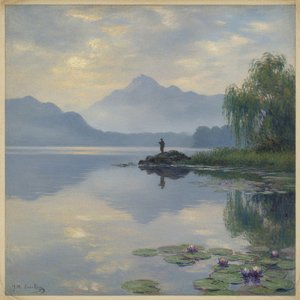
Capturing Stillness: A Curated Exploration of the Most Iconic Lake Landscapes in Art History
Journey through art history's most serene lake landscapes. From Romantic vistas to light-drenched Impressionist waters, discover the stories behind these iconic masterpieces and find museum-quality, hand-painted oil reproductions for your private collection.