 詳細を表示
詳細を表示


 いずれかの辺が105 cm(約41インチ)を超えるアートワークまたは複製画の場合、フレームは分解されたキットの状態でお届けいたします。この方法は、輸送中の破損を防ぎ、安全に配送するために採用しております。


この絵画の詳細を見る
サイズ選択

() ·
あなたのために、手仕事で描かれた一枚の絵画
手描き油彩複製画
当社のアーティストが、ご希望のサイズと額縁に合わせてキャンバスに手描きで制作する、オーダーメイドの油彩画です。 ( プリント版に切り替え デジタル画像販売へ切り替え)
作品解説
A charming black and white photograph capturing a lush Victorian garden gathering by Samuel Dixon Bourne from 1865 that invites you to explore the timeless elegance of this historic outdoor scene.
アーティストの略歴
サミュエル・ディクソン・ボーン(1834-1912)は、19世紀インドの素晴らしい風景や建築研究で知られる英国の先駆的な写真家です。OriginalUniqueArtでは、植民地時代のインドの美と文化を捉えた美術館品質のプリントをお楽しみいただけます。
〜より ·
第1章
サイズはどのくらいが良いでしょうか?
スライドしてサイズを変更してください。左側の画像は、フレームの実際の幅を表示しています。作品の比率はそのまま維持されます。
標準サイズ
オーダーメイド
CM
INCH
作品のオリジナル比率に合わせた、当店の規定サイズからお選びください。
サイズを読み込み中...

横幅
高さ
フレームや壁のスペースに合わせて、ご希望の幅と高さを入力してください。本作品は手描きのため、異なる比率のサイズをご希望の場合、絵画の周囲を少し広げて描くか、あるいは端を少しカットして調整することが可能です。お客様のご要望に合わせます。制作を開始する前に、仕上がりを確認するためのデジタルモックアップをお送りいたします。このページに表示されている画像は完成品の実物ではなく、あくまでモックアップによるイメージです。
第2章
どのような状態での配送をご希望ですか?
キャンバスの側面仕上げを選択
フレームを選択

白の側面仕上げ ¥1

エッジぼかし仕上げ ¥1

回り込み仕上げ ¥1

P118B ¥10

P118H ¥10

P118W ¥10

P438Z ¥10

P508JH ¥12

P508YH ¥12

P805H ¥10

P805Z ¥10

P919BZ ¥10

P919G ¥10

P919XJ ¥10

P959ZH ¥10

P968JZ ¥12

W106C ¥8

W218G ¥10

W218JH ¥8

W218Y ¥10

W307PJ ¥10

W316G ¥10

W316PJ ¥8

W316Y ¥10

W398PJ ¥8

W4111J ¥10

W500HY ¥15

W500JH ¥15

W692G ¥12

W849H ¥8

W940BG ¥15

W953PJ ¥8

H24-GOLD ¥30

H24-SILVER ¥30

H36-GOLD ¥45

H36-SILVER ¥45
額装済み
額縁の形状: . 額縁を含む全体サイズ: .
第3章
誰が描き、何か変更すべき点はありますか?
第4章
仕上げのひと手間
美術館にあるような、銘板(ネームプレート)を。
刻印入りブロンズプレートの詳細
This elegant plaque features the artist's name and the title of the artwork, finely engraved for a timeless presentation.
It is made from bronze with a refined, elegant finish. The text is precisely laser-engraved for a sharp and permanent result. Measuring 9x2 cm, the plaque is compact yet easy to read. It's built to be durable and scratch-resistant, offering a professional, museum-quality look. Mounting is simple thanks to the included adhesive backing.
透明アクリル銘板の詳細
The plaque includes essential engraved details such as the artist's name, the title of the artwork, the date it was created, the type of media used-like oil on canvas or watercolor-a brief description of the piece, and a QR code that links to the complete artwork information.
It is crafted from clear acrylic, offering a sleek, modern appearance. The text is UV-engraved in black to ensure strong visual contrast. With a size of 10x15 cm, it ensures optimal readability. It comes equipped with two metal hooks for secure wall mounting. The plaque is designed to be weather-resistant, making it suitable for various environments, and it includes interactive features that work seamlessly with smartphone scanning.
黒アクリル製銘板の詳細
This elegant plaque includes engraved information such as the artist's name, the title of the artwork, the date it was created, the type of media used (like oil on canvas or watercolor), a short description of the artwork, and a QR code for quick access to more information.
The plaque itself is made from refined black acrylic with a premium finish. The text is laser-engraved in white for high contrast and readability. Its size is 10x15 cm, designed to be easy to read. It comes with two metal hooks for professional mounting. The design is sleek and fits any interior style. It is also weather-resistant and durable, with built-in digital integration for mobile compatibility.
保護用ニスをご希望ですか?
お届け希望日をお選びください
第5章
ご注文通りの絵画内容
Untitled
再現技法
複製画サイズ一覧
-
至高の熟練アーティスト
より細部までこだわった表現、洗練された技術、そして十分な制作時間
-
複製画用フレーム
-
-
いずれかの辺が105 cm(約41インチ)を超えるアートワークまたは複製画の場合、フレームは分解されたキットの状態でお届けいたします。この方法は、輸送中の破損を防ぎ、安全に配送するために採用しております。
組み立てには専門知識が必要です(DIY用製品ではありません)。
本キットは、経験豊富なプロの額装師が、木工用ボンド(別売)、キャンバス用プライヤー、およびボンドの乾燥時に桟を直角に保持するためのクランプを使用して、組み立ておよびキャンバスの張り作業を行う必要があります。不適切な組み立てやキャンバスの張りの不均一は、作品に永久的な損傷を与える恐れがあり、弊社の保証対象外となります。
すべての無垢材のパーツが含まれており、組み立てに最適なサイズに正確にカットされています。
付属のネジを使用し、角の接合部には別途木工用ボンドをご用意ください(ボンドは付属しておりません)。ボンドは額装業者様にてご手配をお願いいたします。
プロ仕様の道具が必要ですが、キットには含まれていません:キャンバス用ストレッチングプライヤー(テンショナー)、および接着剤が乾燥するまで木枠を直角に固定するためのクランプ。
重要:
コーナーの接合部には木工用ボンドが必要です。また、ボンドが完全に乾くまでクランプでバーを固定しておく必要があり、組み立てたフレームにキャンバスを張るにはキャンバス用ストレッチングプライヤーが必要となります。これらの道具はキットに含まれておりません。このサイズをご注文される前に、経験豊富なプロの額装師(フライマー)の手配をお願いいたします。
キャプション
-
-
保護用ワニス
光沢ワニス(色彩を鮮やかに引き立て、光や湿気から保護します)
-
作品をカスタマイズ
カスタマイズの例:顔をお客様の写真に差し替える、ペットを追加する(例:猫を犬に変更)、背景に隠しメッセージを入れる、背景の風景や要素を変更する。
-
お急ぎ便
世界中への配送()は、通常の5週間ではなく、3〜4週間でお届けいたします。(10 11月)。品質には一切の妥協を許しません。
-
お急ぎ便
世界中への配送()は、5週間ほどでお届けします。(17 11月)。
込み
合計金額
¥ 47469
ガラスオプションは、110cm未満のサイズでのみご利用いただけます。
すべての注文に同梱
- 世界中へ無料エクスプレス配送
- 高品質なリネンキャンバス
- 配送時完全保険付
- 関税・輸入税の払い戻し保証
- 真の色彩再現に関する保証
- 100日間返品保証(製造上の欠陥がある場合のみ)
- 100% 全額返金保証
- まとめ買い割引のご案内
 シェアする
シェアする シェアする
シェアする
 詳細を見る
詳細を見る ガイドを表示

 ダウンロード
 似ている作品
 スライドショーを表示
 Q&A
Q&A 統計情報
統計情報数字で見る
- 1865制作年
- 29選べるフレーム一覧
- 独自の比率による標準サイズ
- 5制作と配送に数週間を要します
原画について

- 23.0 x 29.0 cm


サミュエル・ディクソン・ボーン
1834 - 1912, イギリス
サミュエル・ディクソン・ボーンについてのクイック・ファクト
- Artistic Movement Or Style: ヴィクトリア朝風景写真
- Artists Or Movements Influenced By This Artist: ['フォトグラビア']
- Artists Who Influenced This Artist: ['ウィリアム・ヘンリー・フォックス・タルボット']
- Date Of Birth: 1834年
- Date Of Death: 1912年
- Full Name: サミュエル・ディクソン・ボーン
- Nationality: イギリス
- Notable Artworks:
- パイガ廟
- ダージリンのブーティアの集団
- アーグラ砦、モティ・マスジドの内部
- マロケッティ
- イトマド・ウド・ダウラ廟
- ボンベイ、サイド・メモン通り
- 四角い中庭の隅から見たタージ・マハル
- Place Of Birth: イギリス、ニースデン
作家プロフィール
レンズ越しに見る先見の明:サミュエル・ディクソン・ボーンの生涯
サミュエル・ディクソン・ボーン(1834–1912)は、単なる風景の記録者にとどまりませんでした。彼は帝国の視覚的語彙を再定義した先駆者だったのです。英国ニアデンに生まれたボーンの若き日は、古典教育という規律ある空気に包まれていましたが、その心は、当時誕生しつつあった写真という新たな媒体に深く惹かれていました。キャリアの始まりは、ノッティンガムのムーア&ロビンソン銀行における、安定し予測可能な銀行業務の世界にありました。しかし、視覚芸術の呼び声は抗いがたいものでした。台帳からレンズへと移り変わったこの転換は、やがて彼を英国の安らぎから遠ざけ、陽光が降り注ぐ文化豊かなインド亜大陸へと導く、深遠なる旅の幕開けとなったのです。 技術的な習熟が進むにつれ、写真コミュニティにおける教育者、そして知性派としての名声も高まっていきました。ボーンは単なる実践者ではなく、光と化学の探求者であり、ヴィクトリア朝時代の著名な学術誌に洞察に満ちた論考を寄せていました。写真技法に対する深い理解があったからこそ、彼は単なる記録を超え、自然界の崇高な本質を捉えることを追求できたのです。この非凡なものへの探求心は、最終的に銀行家としてのキャリアを完全に捨て去るという、劇的な決断へと結実しました。インドへと帆を上げたこの一歩は、植民地時代の写真史の流れを永遠に変えることになります。ボーン&シェパードの黎明とインドへのオデッセイ
1863年にカルカッタに到着したボーンは、写真史上最も重要な共同事業の一つに着手しました。チャールズ・シェパードと共に設立された伝説的なボーン&シェロパード・スタジオは、イギリス領インドの視覚的アイデンティティそのものとなるパートナーシップでした。彼らの活動範囲は戦略的に極めて巧みで、霧に包まれた高地の避暑地シムラから、活気あふれる湿潤なカルカッタの街角まで多岐にわたりました。この二つの拠点を活用することで、ボーンは対照的でありながら等しく魅惑的な二つの領域を探索することができました。それは、ヒマラヤ山脈の壮大で圧倒的なパノラマと、都市部における人間中心の緻密な建築研究です。 この時期の彼の作品は、失われた時代へと向かう息を呑むような窓となります。彼のレンズを通して、ムガル帝国の記念碑的なスケールは、正確さと詩的な優雅さを併せ持って描き出されました。例えば、建築学的な研究作である中庭の隅から望むタージ・マハルに目を向ければ、ムガル美術の細部を際立たせるために彼がいかに緻密に光を利用したかを目の当たりにできるでしょう。影と石の相互作用を捉えるその能力は、静止した記念碑を「生きた歴史」へと変貌させ、彼をフォトグラビア技法の達人、そして当時の建築美を記録する最高のドキュメンタリー作家へと押し上げたのです。光の遺産と文明の記録
壮大な建造物のみならず、ボーンは日常の鼓動に対しても稀有な感受性を備えていました。彼の写真のレパートリーはインドの都市生活の親密な片隅にまで及び、ボンベイ、サイド・メモン通りのような街路の躍動するエネルギーを捉えました。これらの白黒の構図の中で、鑑賞者は1860年代へとタイムスリップし、植民地時代のインドにおける人々の動き、商い、そして社会構造を目の当たりにします。ヒマラヤのそびえ立つ峰々と、静かな環境に佇むキリスト像の精神的な静寂――この壮大さと親密さのバランスを保つ能力こそが、彼の作品を同時代の作家たちから際立たせている要素なのです。 サミュエル・ディクソン・ボーンの歴史的意義は、いくら強調してもしすぎることはありません。彼は単に写真を撮ったのではありません。歴史家、建築家、そして芸術愛好家にとって不可欠な視覚的アーカイブを構築したのです。彼の作品は、距離と時代を繋ぐ写真という媒体の力を証明する証として存在しています。インドの美、文化、そして複雑さを捉えようとした彼の献身を通じて、ボーンは「光の遺産」を残しました。その光は今なお19世紀の世界への理解を照らし続け、過ぎ去った時代の壮麗さが、現代においても永遠に触れられるものであることを保証しているのです。関連記事
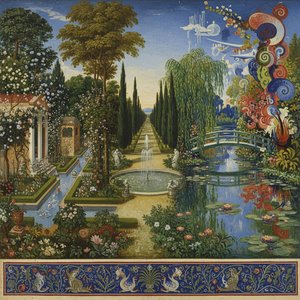
Cultivating Paradise: A Historical & Artistic Exploration of Gardens in Painting
Explore the rich history of gardens in painting! Discover masterpieces from Renaissance to Impressionism & beyond. Learn about symbolism, artists like Monet & Klimt, and find your perfect artwork at OriginalUniqueArt.

Dark Masterpieces: 10 Iconic Paintings Dominated by Black Tones |
Explore 10 iconic paintings dominated by black tones, from Rembrandt’s chiaroscuro to Goya's dark expressions. Discover the stories behind these masterpieces & find museum-quality art reproductions for your home at .

White on Canvas: 10 Masterpieces & Timeless Elegance for Your Home Decor
Explore 10 iconic white paintings by Monet, Whistler & Rothko! Discover the stories behind these serene masterpieces and their impact on art history. Find museum-quality reproductions for your home decor at .

Monochrome Visions: Exploring the Aesthetic & Historical Significance of Black & White Photography
Explore the rich history & artistic power of black and white photography. From early techniques to iconic masters like Ansel Adams, discover why monochrome continues to captivate art lovers today. Expert insights for collectors.