

 設置イメージを確認
 送る
送る シェア
シェア
 詳細情報
詳細情報 ガイドを表示

 画像をダウンロード
 似ている作品
 X線調査
X線調査 スライドショー
 統計情報
統計情報戦士」


 続きを読む
続きを読む
ジークレー/アートプリント
スピーディーな制作と多彩な仕上げオプションが魅力の、ミュージアムクオリティなジークレー・キャンバスプリント。 ( 手描きの複製画を注文する デジタル画像販売へ切り替え)




P118B ¥10

P118H ¥10

P118W ¥10

P438Z ¥10

P508JH ¥12

P508YH ¥12

P805H ¥10

P805Z ¥10

P919BZ ¥10

P919G ¥10

P919XJ ¥10

P959ZH ¥10

P968JZ ¥12

W106C ¥8

W218G ¥10

W218JH ¥8

W218Y ¥10

W307PJ ¥10

W316G ¥10

W316PJ ¥8

W316Y ¥10

W398PJ ¥8

W4111J ¥10

W500HY ¥15

W500JH ¥15

W692G ¥12

W849H ¥8

W940BG ¥15

W953PJ ¥8




作品のオリジナル比率に合わせた、当店の規定サイズからお選びください。

額縁や壁のスペースに合わせて、ご希望の幅と高さを入力してください。プリントはカットすることは可能ですが、元の画像より大きくすることはできないため、異なる比率のサイズを選択された場合は、画像の一部が欠けることになります。印刷を開始する前に、内容を確認していただくためのデジタルモックアップをお送りいたします。このページに表示されている画像は、実際のカット後の状態を示すものではありません。実際の仕上がりはモックアップにてご確認ください。


 ガラスオプションは、110cm未満のサイズでのみご利用いただけます。

戦士」
ジークレー/アートプリント
複製画サイズ一覧
-


合計金額
¥ 12650
A Portrait of Resolve: Salvator Rosa’s “Warrior”
Salvator Rosa's "Warrior," a captivating depiction of a solitary figure engaged in contemplation amidst a rugged landscape, embodies the spirit of Baroque artistry and offers a glimpse into the psychological complexities explored by one of Italy’s most influential painters. Executed sometime around 1640-1650, this artwork transcends mere representation; it's an invitation to delve into themes of introspection, duty, and the enduring human connection with nature—elements deeply rooted in Rosa’s philosophical leanings and artistic vision.Style and Technique: Baroque Drama Embodied
Rosa’s distinctive style is immediately recognizable through his masterful manipulation of chiaroscuro – the dramatic interplay between light and shadow – a hallmark technique perfected during the Baroque period. The painting utilizes a muted palette dominated by earthy tones, primarily browns and ochres, which serve to heighten the impact of the stark contrasts that define the composition. Brushstrokes are loose and expressive, conveying movement and texture with remarkable immediacy. Unlike the polished surfaces favored by artists like Rembrandt or Rubens, Rosa deliberately incorporates visible brushwork, mirroring the turbulent spirit of his time and reflecting a rejection of academic conventions. This textural richness contributes to an overall sense of realism, grounding the figure within a palpable environment.Historical Context: Reflections of Renaissance Ideals
Rosa’s artistic output coincided with a period marked by significant political upheaval in Italy – the Thirty Years' War – influencing his preoccupation with themes of heroism and moral fortitude. The painting speaks to the broader humanist concerns prevalent during the Renaissance, albeit filtered through the lens of Baroque sensibility. Rosa’s fascination with mythology and allegory is evident in the landscape itself, which subtly references classical motifs symbolizing resilience and spiritual contemplation. The warrior’s posture—upright yet relaxed—suggests a readiness for action tempered by inner peace, mirroring the ideal of virtuous leadership championed during the era.Symbolism: Contemplation Amidst Adversity
The central figure's gaze downwards is particularly noteworthy, conveying a profound sense of introspection and perhaps even melancholy. This deliberate avoidance of direct eye contact invites viewers to consider the warrior’s inner world—his thoughts, emotions, and motivations—rather than simply observing his physical presence. The sword held in his right hand symbolizes power and responsibility, yet its resting position on his thigh underscores the burden of duty and the quiet fortitude required to confront challenges head-on. Simultaneously, the rugged landscape serves as a counterpoint to the figure’s stillness, representing the enduring forces of nature—a reminder that even amidst turmoil, beauty and contemplation persist.Emotional Impact: A Moment Frozen in Time
Ultimately, “Warrior” succeeds in capturing a powerful emotional resonance. It's not a depiction of triumphant battle or heroic action; instead, it presents a portrait of quiet dignity and profound thoughtfulness. Rosa’s ability to convey psychological depth through visual means—a skill honed by his engagement with philosophical ideas—elevates the artwork beyond mere aesthetic pleasure. The painting lingers in the viewer’s mind long after viewing, prompting reflection on themes of courage, resilience, and the importance of inner harmony. It stands as a testament to Rosa's enduring legacy as an artist who dared to explore the complexities of human experience with unparalleled sensitivity and conviction.よくあるご質問
サルヴァトール・ローザ作「戦士」」の輝度はどのくらいですか?
サルヴァトール・ローザ作「戦士」」 の輝度は 柔らかな影 です。輝度とは、色がどれほど光を反射しているかを表す指標です。
「戦士」」のBaroqueの背景には、どの国のルーツがあるのでしょうか?
「戦士」」は、その作者の出生地を通じて、Baroque運動とイタリアを結びつけています。
サルヴァトール・ローザ作「戦士」」の色調は、鮮やかですか、それとも落ち着いていますか?
「戦士」」のパレットは、彩度が淡い色彩です。
アーティストについて
生い立ちと教育
サルヴァトール・ローザは、1615年6月20日または7月21日にナポリ近郊のアレネッラで生まれました。母親のジュリア・グレカ・ローザはシチリア出身のギリシャ系の名家でした。父親は彼に弁護士や聖職者の道を進めて望んでいましたが、サルヴァトールは幼い頃から芸術への強い関心を示しました。彼は当初、ジョヴァンニ・ドメニコ・カラヴァッジョの工房で絵画を学び始めましたが、すぐに独自のスタイルを追求するようになりました。ナポリでの初期の経験は、彼の後の作品に大きな影響を与え、特に光と影の劇的な表現や、現実主義的な人物描写にその痕跡を見ることができます。芸術的キャリア
サルヴァトール・ローザの芸術的キャリアは、同時代の人々とは異なる型破りで華麗なスタイルによって特徴づけられました。彼はナポリ、ローマ、フィレンツェで活躍し、リベラの自然主義とプーサンの古典主義の影響を受けました。しかし、特定のスタイルや運動に縛られることを拒否しました。彼の作品は風景画、歴史画、風俗画など多岐にわたり、その大胆な構図、力強い筆致、そして深い感情表現が特徴です。特に有名な作品の一つである「冥府から現れるピュタゴラス」(フォートワース、キンベル美術館)は、彼の哲学的なテーマと芸術的才能の融合を示しています。「洗礼者エウヌコの洗礼」(ノーフォーク、クライスラー美術館)は、ささやかな聖書の物語にさえもドラマチックな要素を注入する彼の能力を実証しています。ローザはまた、優れた詩人であり版画家でもあり、その多才さは彼を同時代の芸術家たちから際立たせました。影響と遺産
サルヴァトール・ローザの作品は、バロック美術の発展に大きな影響を与えました。彼の風景画は、後のロマン主義の画家たちにインスピレーションを与え、特に自然の力強さや人間の感情とのつながりを描く点においてその影響を見ることができます。また、彼の版画は広く流通し、ヨーロッパ各地の芸術家たちに彼のスタイルを広める役割を果たしました。ルカ・ジョルダーノのような後世の芸術家たちは、ローザの境界線を押し広げる表現方法を受け継ぎ、バロック美術の新たな可能性を探求しました。重要なリンク
結論
サルヴァトール・ローザの生涯と作品は、今日でも多くの芸術愛好家や歴史研究家の関心を集めています。彼の型破りなスタイルと時代規範に対する絶え間ない反逆精神は、バロック美術史における彼の地位を確固たるものにしました。画家、詩人、版画家として、彼は謎めいた人物であり続け、その作品は新しい世代の芸術家や芸術愛好家にインスピレーションを与え続けています。キンベル美術館(フォートワース)とクライスラー美術館(ノーフォーク)などの美術館には、彼の代表作が所蔵されており、彼の才能と創造性を今に伝えています。
サルヴァトール・ローザ
1615 - 1673 , イタリア
アーティスト情報
- Artistic Movement Or Style: バロック美術
- Artists Or Movements Influenced By This Artist: ['ルカ・ジョルダーノ']
- Artists Who Influenced This Artist: ['ホセ・デ・リベラ']
- Date Of Birth: 1615年6月20日
- Date Of Death: 1673年
- Full Name: サルヴァトーレ・ローザ
- Nationality: イタリア人
- Notable Artworks:
- 地獄の光景
- エウヌコの洗礼
- Place Of Birth (City And Country): ナポリ、イタリア
関連記事

The Dramatic Flourish: Exploring the Baroque Movement's Enduring Legacy in Art History
Explore the dramatic world of Baroque art! Discover iconic artists like Caravaggio & Rubens, defining techniques, and its lasting impact on art history. Expert insights for collectors & enthusiasts at OriginalUniqueArt.
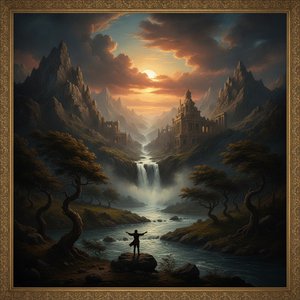
Epic Drama & Dark Vibes: The Ultimate Collector's Guide to Baroque Landscapes
Master the art of drama with our ultimate guide to Baroque landscapes. Discover the power of chiaroscuro, explore legendary masters, and learn how to curate epic, dark-vibe masterpieces for your collection with expert insights from OriginalUniqueArt.

Salvator Rosa: A Baroque Rebel's Vision of Landscape, Allegory & the Human Condition
Explore the captivating world of Salvator Rosa, a rebellious Baroque master. Discover his dramatic landscapes, allegorical paintings & lasting influence on Romanticism. Hand-painted reproductions available at OriginalUniqueArt.

Drama in Nature: The Captivating Grandeur of Baroque Landscapes and the Art of Emotional Spectacle
Explore the breathtaking drama of Baroque landscapes. From Rubens's grand vistas to the mastery of chiaroscuro, discover how 17th-century artists transformed nature into a theatrical stage of emotion and light. A deep dive for true art enthusiasts.
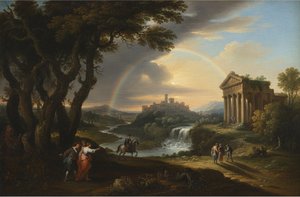
Shadow, Light, and Spectacle: The Dramatic Evolution of Baroque Landscape Painting
Explore the breathtaking drama of Baroque landscapes. Our expert guide delves into the interplay of light and shadow in 17th-century masterpieces. Discover art history and find museum-quality, hand-painted oil reproductions to bring classical grandeur to your home.
