
 プレビュー
プレビュー
 プリントを購入
 シェアする
シェアする シェアする
シェアする
 詳細を見る
詳細を見る

 ダウンロード
 似ている作品
 X線調査
X線調査 スライドショー
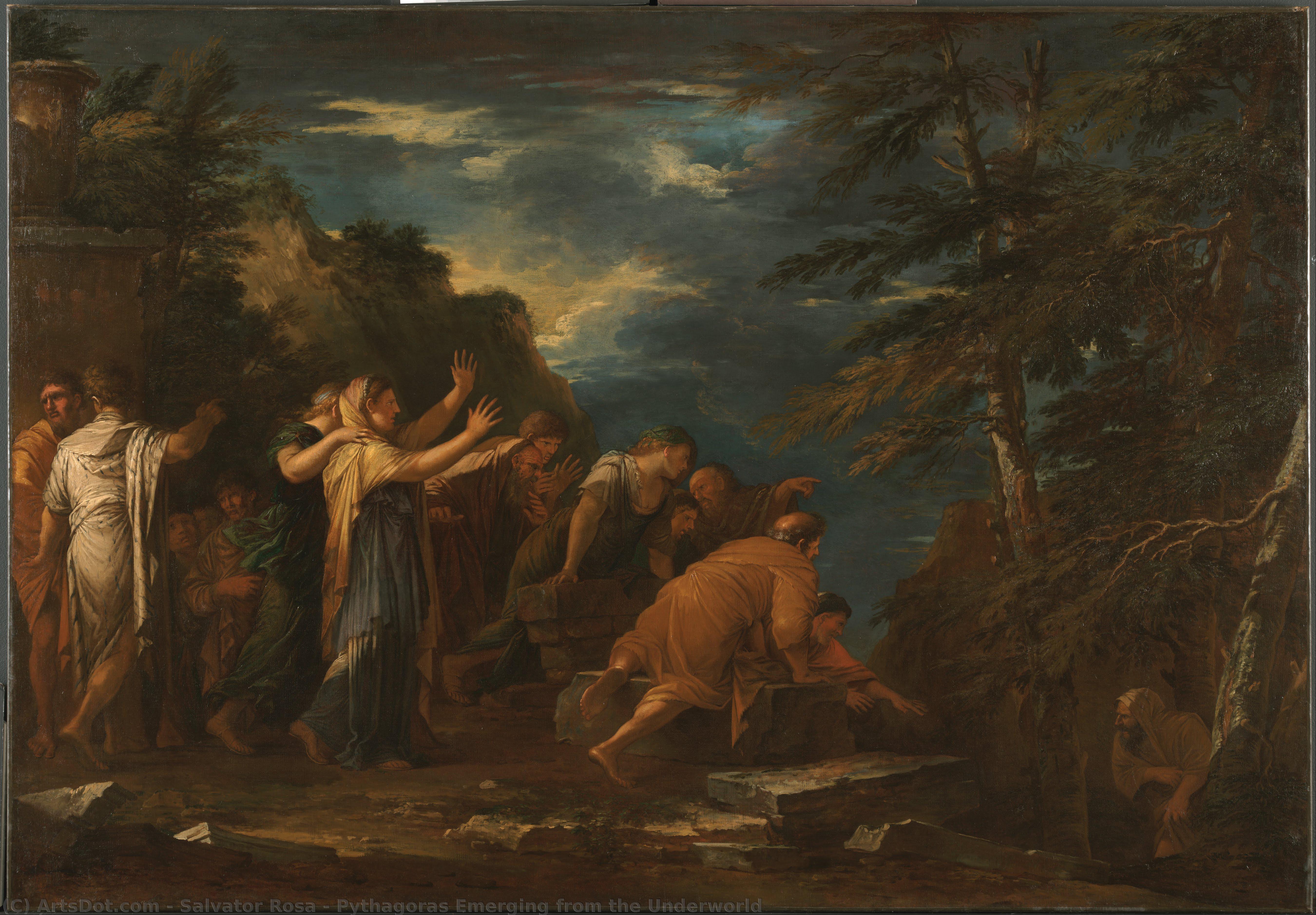
Pythagoras Emerging from the Underworld


 詳細を見る
詳細を見る




P118B $10

P118H $10

P118W $10

P438Z $10

P508JH $12

P508YH $12

P805H $10

P805Z $10

P919BZ $10

P919G $10

P919XJ $10

P959ZH $10

P968JZ $12

W106C $8

W218G $10

W218JH $8

W218Y $10

W307PJ $10

W316G $10

W316PJ $8

W316Y $10

W398PJ $8

W4111J $10

W500HY $15

W500JH $15

W692G $12

W849H $8

W940BG $15

W953PJ $8




作品のオリジナル比率に合わせた、当店の規定サイズからお選びください。

特定のフレームやスペースに合わせて、ご希望のサイズをご入力いただけます。選択されたサイズが元の画像の比率と異なる場合、アートワークをトリミングするか、手描きで要素を追加して絵画を拡張いたします。デジタルモックアップ を制作し、制作開始前にご確認(承認)をいただきます。
画面上のプレビューは、実際のトリミングや拡張を正確に反映しているものではありません。最終的な構図は、モックアップによってのみ正確にご確認いただけます。
カスタムサイズもご利用いただけますが、元の比率を維持するためには、あらかじめ用意されたリストからサイズを選択することをお勧めいたします。
ご注文後、OriginalUniqueArt.com チームより詳細な指示をお送りするとともに、仕上がりイメージ(モックアップ)をご提供いたします。


 ガラスオプションは、110cm未満のサイズでのみご利用いただけます。

Pythagoras Emerging from the Underworld
複製技法
複製画のサイズ
-


合計金額
$ 300
作品解説
Pythagoras Emerging from the Underworld: A Baroque Meditation on Mortality
Salvator Rosa’s “Pythagoras Emerging from the Underworld” is more than just a depiction of myth; it's a profound exploration of philosophical ideas interwoven with masterful baroque artistry. Painted in 1662, this monumental canvas embodies the spirit of its time—a fascination with classical antiquity colliding with burgeoning anxieties about death and rebirth—themes central to Pythagorean thought itself. Rosa’s unwavering commitment to capturing the raw emotion of human experience distinguishes him from many of his contemporaries, cementing his place as a pivotal figure in baroque painting.- Subject Matter: The artwork portrays Pythagoras, revered Greek philosopher and mathematician, ascending from Hades—the underworld—guided by two women symbolizing divine grace and resurrection. This narrative draws directly from Pythagorean cosmology, which posits that the soul survives death and journeys through various realms before returning to its original form.
- Style & Technique: Rosa’s signature baroque style is evident in the dramatic chiaroscuro – intense contrasts between light and dark – skillfully employed to heighten emotional impact. The artist utilizes thick impasto, applying paint thickly onto the canvas surface, creating palpable texture that conveys a sense of dynamism and movement. This technique lends itself beautifully to capturing the ethereal glow surrounding Pythagoras and his companions.
- Historical Context: Rosa’s work emerged during a period marked by intellectual ferment—the Renaissance's rediscovery of classical ideals fueled philosophical debates about human nature and destiny. Pythagoreanism, emphasizing moral virtue and contemplation as paths to enlightenment, resonated deeply with artists seeking spiritual depth. The painting reflects the broader cultural preoccupation with mortality and the promise of eternal life.
- Symbolism: The two women accompanying Pythagoras represent divine assistance in overcoming death’s grip—a powerful symbol reflecting Pythagorean beliefs about reincarnation and purification. The darkness of Hades contrasts sharply with the luminosity of Pythagoras' ascent, signifying the triumph of reason over superstition and the soul’s journey toward spiritual transcendence.
- Emotional Impact: Rosa succeeds in conveying a palpable sense of solemn grandeur and contemplative wonder. The painting invites viewers to contemplate the mysteries of existence and consider the transformative power of philosophical inquiry. Its enduring appeal lies in its ability to evoke feelings of awe, compassion, and an awareness of humanity’s place within the cosmos.
アーティストの略歴
生い立ちと教育
サルヴァトール・ローザは、1615年6月20日または7月21日にナポリ近郊のアレネッラで生まれました。母親のジュリア・グレカ・ローザはシチリア出身のギリシャ系の名家でした。父親は彼に弁護士や聖職者の道を進めて望んでいましたが、サルヴァトールは幼い頃から芸術への強い関心を示しました。彼は当初、ジョヴァンニ・ドメニコ・カラヴァッジョの工房で絵画を学び始めましたが、すぐに独自のスタイルを追求するようになりました。ナポリでの初期の経験は、彼の後の作品に大きな影響を与え、特に光と影の劇的な表現や、現実主義的な人物描写にその痕跡を見ることができます。芸術的キャリア
サルヴァトール・ローザの芸術的キャリアは、同時代の人々とは異なる型破りで華麗なスタイルによって特徴づけられました。彼はナポリ、ローマ、フィレンツェで活躍し、リベラの自然主義とプーサンの古典主義の影響を受けました。しかし、特定のスタイルや運動に縛られることを拒否しました。彼の作品は風景画、歴史画、風俗画など多岐にわたり、その大胆な構図、力強い筆致、そして深い感情表現が特徴です。特に有名な作品の一つである「冥府から現れるピュタゴラス」(フォートワース、キンベル美術館)は、彼の哲学的なテーマと芸術的才能の融合を示しています。「洗礼者エウヌコの洗礼」(ノーフォーク、クライスラー美術館)は、ささやかな聖書の物語にさえもドラマチックな要素を注入する彼の能力を実証しています。ローザはまた、優れた詩人であり版画家でもあり、その多才さは彼を同時代の芸術家たちから際立たせました。影響と遺産
サルヴァトール・ローザの作品は、バロック美術の発展に大きな影響を与えました。彼の風景画は、後のロマン主義の画家たちにインスピレーションを与え、特に自然の力強さや人間の感情とのつながりを描く点においてその影響を見ることができます。また、彼の版画は広く流通し、ヨーロッパ各地の芸術家たちに彼のスタイルを広める役割を果たしました。ルカ・ジョルダーノのような後世の芸術家たちは、ローザの境界線を押し広げる表現方法を受け継ぎ、バロック美術の新たな可能性を探求しました。重要なリンク
結論
サルヴァトール・ローザの生涯と作品は、今日でも多くの芸術愛好家や歴史研究家の関心を集めています。彼の型破りなスタイルと時代規範に対する絶え間ない反逆精神は、バロック美術史における彼の地位を確固たるものにしました。画家、詩人、版画家として、彼は謎めいた人物であり続け、その作品は新しい世代の芸術家や芸術愛好家にインスピレーションを与え続けています。キンベル美術館(フォートワース)とクライスラー美術館(ノーフォーク)などの美術館には、彼の代表作が所蔵されており、彼の才能と創造性を今に伝えています。
サルヴァトール・ローザ
1615 - 1673 , イタリア
基本情報
- Artistic Movement Or Style: バロック美術
- Artists Or Movements Influenced By This Artist: ['ルカ・ジョルダーノ']
- Artists Who Influenced This Artist: ['ホセ・デ・リベラ']
- Date Of Birth: 1615年6月20日
- Date Of Death: 1673年
- Full Name: サルヴァトーレ・ローザ
- Nationality: イタリア人
- Notable Artworks:
- 地獄の光景
- エウヌコの洗礼
- Place Of Birth (City And Country): ナポリ、イタリア
関連記事

Salvator Rosa: A Baroque Rebel's Vision of Landscape, Allegory & the Human Condition
Explore the captivating world of Salvator Rosa, a rebellious Baroque master. Discover his dramatic landscapes, allegorical paintings & lasting influence on Romanticism. Hand-painted reproductions available at OriginalUniqueArt.
Gods and Heroes: A Definitive Guide to the Eternal Masterpieces of Greek Mythology
Explore the profound beauty of Greek mythology through art history. From Baroque masterpieces to Renaissance classics, discover how gods and heroes have inspired the world's greatest painters in this expert guide for collectors and history lovers.
Echoes of Olympus: Mythological Narratives in Western Art Through the Ages
Explore the captivating history of mythological narratives in Western art! From ancient Greece to modern masterpieces, discover iconic artworks & symbolism. Expert analysis and high-quality reproductions at OriginalUniqueArt.
Timeless Legends: A Curated Guide to the Eternal Allure of Mythological Masterpieces
Embark on a sophisticated journey through the eternal allure of mythological art. Discover how master painters breathe life into ancient legends, from Greek deities to Baroque masterpieces, and learn to curate these timeless narratives within your own exquisite art collection.

バロックのドラマ:現代のインテリアに壮麗さと情感を取り込む
バロック様式の歴史、絵画、家具の魅力をご紹介。OriginalUniqueArtでは、高品質な油絵複製やカスタムポートレートをご提供し、現代のインテリアに壮麗さと情感を取り入れます。アートコンサルテーションも承ります。


