

 プレビュー
プレビュー
 シェアする
シェアする シェアする
シェアする
 詳細を見る
詳細を見る

 ダウンロード
 似ている作品
 X線調査
X線調査 スライドショー
Marine
 Dutch Golden Age
 1650
1650 35.0 x 43.0 cm
 メトロポリタン美術館
 詳細を見る
詳細を見る
ジークレー/アートプリント
迅速な制作と多彩な仕上げオプションを備えた、ミュージアムクオリティのジークレーまたはキャンバスプリント。 ( 手描きの絵画を購入 画像を購入)




P118B $10

P118H $10

P118W $10

P438Z $10

P508JH $12

P508YH $12

P805H $10

P805Z $10

P919BZ $10

P919G $10

P919XJ $10

P959ZH $10

P968JZ $12

W106C $8

W218G $10

W218JH $8

W218Y $10

W307PJ $10

W316G $10

W316PJ $8

W316Y $10

W398PJ $8

W4111J $10

W500HY $15

W500JH $15

W692G $12

W849H $8

W940BG $15

W953PJ $8




作品のオリジナル比率に合わせた、当店の規定サイズからお選びください。

特定のフレームやスペースに合わせて、ご自身でサイズを指定することも可能です。選択されたサイズが元の画像の比率と一致しない場合、作品をトリミングするか、鏡面反射または単色での塗りつぶしによって画像を拡張いたします。制作を開始する前に、ご確認用のデジタルモックアップをお送りいたします。
画面上のプレビューには、実際のトリミングや拡張は反映されませんのでご注意ください。最終的な構図を正確に確認できるのは、モックアップのみとなります。
カスタムサイズも承っておりますが、元の比率を維持するためには、あらかじめ用意されたリストからサイズを選択することをお勧めいたします。


 ガラスオプションは、110cm未満のサイズでのみご利用いただけます。

Marine
ジークレー/アートプリント
複製画のサイズ
-


合計金額
$ 80
作品詳細説明
A Moment Frozen in Time: The Allure of Salomon van Ruysdael's Marine
Salomon van Ruysdael’s “Marine,” painted around 1650, isn’t merely a depiction of a seascape; it’s an invitation to step into a tranquil moment suspended between the vastness of the ocean and the quietude of a coastal town. This remarkable work, currently residing within the hallowed halls of The Metropolitan Museum of Art in New York, exemplifies the pinnacle of Dutch Golden Age painting – a period defined by meticulous detail, atmospheric realism, and an extraordinary ability to capture the subtle nuances of light and shadow. More than just a pretty picture, “Marine” offers a profound glimpse into 17th-century life, maritime practices, and the artist’s masterful command of color and composition.
At first glance, the painting presents a deceptively simple scene: a serene river flowing towards the sea, dotted with small boats engaged in various activities – fishing, transporting goods, or simply enjoying the day. A lone sailboat, its billowing sails catching the wind, cuts through the water, flying the proud banner of the Dutch Republic. However, beneath this apparent simplicity lies a wealth of carefully considered details and symbolic elements. Van Ruysdael wasn’t just painting what he saw; he was crafting an experience, evoking a sense of peace, order, and connection to nature – values deeply ingrained in the ethos of the Dutch Golden Age.
The Art of the Dutch Masters: Technique and Style
Van Ruysdael’s skill lies not only in his ability to render realistic details but also in his masterful use of technique. The painting is executed in oil on wood, a medium that allowed for rich colors and subtle gradations of tone. Notice how the artist employs broken brushstrokes – tiny, individual marks of paint – to create the illusion of shimmering water and billowing clouds. This technique, known as “impasto,” adds texture and depth to the scene, drawing the viewer’s eye into the heart of the composition. The careful layering of colors, particularly in the depiction of the sky and water, creates a remarkable sense of atmospheric perspective – the way that distant objects appear paler and less distinct than those closer to the viewer.
The color palette is restrained yet remarkably effective. Predominantly blues and grays dominate the scene, reflecting the cool tones of the sea and sky. The boats are painted in a range of browns and whites, providing contrast against the darker background. Van Ruysdael’s use of light is particularly noteworthy; it's diffused and gentle, casting long shadows and creating a sense of quiet contemplation. This subtle illumination contributes significantly to the painting’s overall mood – one of serenity and tranquility.
A Window into 17th-Century Life: Historical Context
“Marine” offers a fascinating glimpse into the daily life of coastal communities in the Netherlands during the 17th century. The presence of the “schouw,” a type of shallow-draft sailing vessel used for transporting goods and passengers along inland waterways, is particularly significant. These boats were vital to the Dutch economy, facilitating trade and connecting distant towns and villages. The inclusion of buildings on the distant shoreline – reminiscent of coastal towns – further anchors the scene in its historical context. The painting isn’t simply a landscape; it's a snapshot of a thriving maritime society.
Furthermore, the painting reflects the broader cultural values of the Dutch Golden Age. The emphasis on order, industry, and connection to nature was central to the Dutch worldview. Van Ruysdael’s “Marine” embodies these values, offering a vision of a harmonious relationship between humanity and the natural world. The painting's popularity during its time speaks volumes about this shared cultural appreciation.
Bringing "Marine" Home: Reproduction and Legacy
Today, reproductions of Van Ruysdael’s “Marine” are available through reputable sources like The Metropolitan Museum of Art and other fine art dealers. A high-quality reproduction captures the essence of the original, allowing you to bring this timeless masterpiece into your own home or office. Consider a canvas print for a truly immersive experience, or an acrylic glass print for a sleek, modern look. Whether you choose a traditional oil on wood reproduction or a more contemporary format, owning a piece inspired by “Marine” is a celebration of Dutch Golden Age artistry and a reminder of the enduring power of beauty and tranquility.
アーティストの略歴
オランダ風景画の繊細なる巨匠:サロモン・ファン・リュイスダールの生涯
かつて前例のない繁栄と芸術の開花を謳歌した17世紀のオランダ黄金時代、サロモン・ファン・リュイスダールは、深遠な大気の感受性を備えた画家としてその名を現しました。1602年頃にナーデルデンで生まれた彼の人生は、まさにオランダ黄金時代の営みそのものと深く結びついていました。歴史の舞台では、より高名な弟ヤコブ・ファン・リュイスダールの影に隠れがちなサロモンですが、風景画の正典において、彼は独自の、そしてかけがえのない地位を築き上げたのです。彼の作品は単に土地を描写するにとどまりません。それは、キャンバスの上で光と水が静かに、永遠のダンスを繰り流すような、オランダの田園風景の息づく本質を捉えているのです。
彼の芸術性の礎は、職人技と精密さが何よりも重んじられた家庭環境において築かれました。父ヤコブ・ヤンスス・デ・ゴーイヤーは、当時の最も貴重な鏡や絵画を収めるための、精巧なエボニー(黒檀)の額縁作りを専門とする熟練した木工職人でした。この、額縁制作における細部へのこだわりに対する幼少期からの接点は、サロモンの中に質感と構造的な完全性に対する生涯にわたる敬意を植え付けたことでしょう。彼の正規教育は、ラテン語や医学の複雑な知識まで含む驚くほど幅広いものでしたが、その心は常に視覚的な世界へと繋ぎ止められていました。1623年に権威あるハールレムの聖ルカ・ギルドに入会したことで、彼は創造者たちのエリート層へと足を踏み入れ、ヤン・ポルセリスやエサイアス・ファン・デ・フェルデといった巨匠たちの直接的な影響を受けることとなりました。空気遠近法と観察的リアリズムの旗手であったこれらの師たちは、サロモンが後に穏やかな水辺の情景を描き出すために用いることになる、技術的な語彙を与えたのです。
水と光の交響曲
サロモン・ファン・リュイスダールの真の卓越性は、オランダの大気が持つ、移ろいゆく性質を表現する能力にあります。劇的で広大なパノラマや荒れ狂う嵐を追い求めた同時代の多くの画家たちとは異なり、サロモンは内陸の水路がもたらす静寂の中に、最大のインスピレーションを見出しました。彼の構図はしばしば、川の律動的な流れや湖の穏やかな広がりを中心としており、そこでは空と水が、淡い色調と柔らかな光のシームレスな移ろいの中で出会います。デベンター近郊の川の風景といった傑作を見れば、彼がいかに繊細なパレットを用いてオランダの湿り気を帯びた涼しい空気を呼び起こし、観る者を深い静寂の瞬間へと誘い込んでいるかを目の当たりにすることができます。
彼の技術的な手腕は、特に海洋や河川の主題の扱いにおいて顕著です。内陸の水域における帆船のような作品では、穏やかな流れを進む舟の重みや動きを捉える比類なき能力が示されています。また、漁師のいる川に見られるような、さりげない漁師たちの存在といった人間的要素の統合は、決して押し付けがましいものではありません。むしろ、これらの人物は風景にスケール感と、そこに生きる人々の現実味を与える役割を果たしています。彼の筆を通じて、水は単なる表面を超え、移ろいゆぶ雲やオランダの空を特徴づける拡散した柔らかな光を映し出す鏡となるのです。
遺産と芸術的意義
サロモン・ファン・リュイスダールの歴史的な重要性は、大気を感じさせる風景画の先駆者としての役割にあります。彼は、それまでの時代の硬直した地形的な描写から脱却し、より感情的で感覚的な自然体験へと向かいました。静物画の要素が持つ精密さと、風景画の広大さを融合させる彼の能力は、自らの平和で勤勉な環境を反映する芸術を求めていたオランダの中産階級の心に響く、独自の美学を生み出したのです。
今日、彼の遺産はティッセン=ボルネミッサ美術館をはじめとする世界で最も尊敬される機関の中に保存されています。ファン・リュイスダールの作品を研究することは、忍耐と観察のレッスンを受けることに他なりません。彼の作品は、控えめなものの中に見出される美の証であり、最も深遠な芸術的真実は、川の静かな反射や、沈みゆく太陽の柔らかな輝きの中にこそ見出されるものであることを、私たちに思い出させてくれます。オランダ黄金時代への彼の貢献は、人類が世界を単なる「ありのまま」としてではなく、「どのように感じられるか」として捉える術を学んだ物語における、不可欠な一章であり続けているのです。
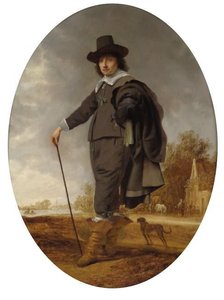
サロモン・ファン・リュイスダール
1602 - 1670 , オランダ
基本情報
- Artistic Movement Or Style: オランダ黄金時代風景画
- Artists Or Movements Influenced By This Artist: ['ヤコブ・ファン・レインスダール']
- Artists Who Influenced This Artist:
- ヤン・ポルセリス
- エサイアス・ファン・デ・フェルデ
- Date Of Birth: オランダ、ナーデルト (1602年)
- Date Of Death: 1670年11月3日
- Full Name: サロモン・ファン・レインスダール
- Nationality: オランダ
- Notable Artworks:
- 川の風景
- ゴリンヘム付近の渡し船
- デーフェンターの眺望
- Place Of Birth: ナーデルト
関連記事
ゴッホ傑作25選:魂を揺さぶる名画の世界 | OriginalUniqueArt
ゴッホの傑作25選🎨 印象派から表現主義へ。ひまわり🌻や星月夜🌌など、魂を揺さぶる名画の世界をOriginalUniqueArtで。高精細な複製画で、ゴッホの色彩と感情が宿るアートをあなたの空間に。コレクションはこちら👉

Golden Light & Dutch Skies: The Timeless Magic of Dutch Golden Age Landscapes
Discover the breathtaking beauty of Dutch Golden Age landscapes. Explore the mastery of light, chiaroscuro, and 17th-century realism through an expert art history lens, celebrating the enduring legacy of the Dutch Masters for discerning collectors and art lovers.

黄金世紀の巨匠たち:バロック絵画が彩る10選|OriginalUniqueArt
オランダ黄金時代の10大傑作を紐解く!レンブラント、フェルメール…バロック絵画の魅力と時代背景を深く探求。OriginalUniqueArtで、至高のアートコレクションと空間演出のヒントを見つけよう。高品質なアートプリントで、お部屋を華やかに。

レンブラント傑作25選:光と影の巨匠、魂を揺さぶる名画の世界 | OriginalUniqueArt
レンブラントの傑作25選。光と影の魔術師が描いた魂を揺さぶる名画の世界へ。美術史に残る自画像、夜警、宗教画…OriginalUniqueArtで高品質なアートプリントやインテリアアートをお楽しみください。コレクションはこちら→

Willem van de Velde the Elder: Master of Maritime Painting & Chronicler of the Dutch Golden Age
Discover the captivating maritime paintings of Willem van de Velde the Elder, a master chronicler of the Dutch Golden Age. Explore his unparalleled realism and lasting influence on naval art history.

