

 設置イメージを確認
 送る
送る シェア
シェア
 詳細情報
詳細情報 ガイドを表示

 画像をダウンロード
 似ている作品
 X線調査
X線調査 スライドショー
 統計情報
統計情報Chasse au daim


 続きを読む
続きを読む
ジークレー/アートプリント
スピーディーな制作と多彩な仕上げオプションが魅力の、ミュージアムクオリティなジークレー・キャンバスプリント。 ( 手描きの複製画を注文する デジタル画像販売へ切り替え)




































作品のオリジナル比率に合わせた、当店の規定サイズからお選びください。

特定のフレームやスペースに合わせて、ご自身でサイズを指定することも可能です。選択されたサイズが元の画像の比率と一致しない場合、作品をトリミングするか、鏡面反射または単色での塗りつぶしによって画像を拡張いたします。制作を開始する前に、ご確認用のデジタルモックアップをお送りいたします。
画面上のプレビューには、実際のトリミングや拡張は反映されませんのでご注意ください。最終的な構図を正確に確認できるのは、モックアップのみとなります。
カスタムサイズも承っておりますが、元の比率を維持するためには、あらかじめ用意されたリストからサイズを選択することをお勧めいたします。


 ガラスオプションは、110cm未満のサイズでのみご利用いただけます。

Chasse au daim
ジークレー/アートプリント
複製画サイズ一覧
-


合計金額
$ 80
アーティストについて
A Master of Flemish Still Life: The World of Geerard Rysbrack
Geerard Rysbrack, a name perhaps less immediately recognizable than some of his Dutch and Flemish contemporaries, nevertheless occupies a significant place in the pantheon of 18th-century still life painters. Born in Antwerp (though precise dates remain elusive), Rysbrack flourished during a period when meticulous observation of nature, coupled with an increasingly sophisticated understanding of light and texture, defined artistic excellence. While biographical details are scarce – a common fate for artists working within established genres – the surviving corpus of his work speaks volumes about his skill, dedication, and the refined tastes of his clientele. Rysbrack’s paintings weren't merely depictions of dead game or lush landscapes; they were carefully constructed statements about wealth, status, and humanity’s relationship with the natural world. He was a product of the Baroque tradition, yet his style subtly anticipates the more delicate sensibilities of the Rococo era.Early Influences and Artistic Development
Rysbrack's artistic journey began in a city steeped in painting traditions. Antwerp, a major center for art production throughout the 17th and 18th centuries, provided fertile ground for aspiring artists. He likely received his initial training within a local workshop, absorbing the techniques of established masters specializing in still life and animalier paintings. The influence of painters like Frans Snyders, renowned for his dynamic market scenes teeming with game and provisions, is readily apparent in Rysbrack’s early works. However, Rysbrack quickly moved beyond mere imitation. He demonstrated a particular aptitude for rendering the subtle nuances of plumage, fur, and feather – qualities that would become hallmarks of his mature style. His landscapes, though less numerous than his still lifes, reveal an appreciation for the atmospheric effects pioneered by artists like Jacob van Ruisdael, suggesting a broader engagement with the wider Dutch painting tradition. He wasn’t simply copying nature; he was interpreting it through a lens of refined observation and technical mastery.The Art of Detail: Still Lifes of Game, Fruit & Flowers
Rysbrack's most celebrated works are undoubtedly his still lifes featuring game birds, rabbits, fruit, and occasionally flowers. These paintings are characterized by an extraordinary level of detail – each feather meticulously rendered, each piece of fruit glistening with moisture, each fold of fur conveying a sense of tactile realism. He possessed an uncanny ability to capture the textures and colors of his subjects, creating compositions that were both visually stunning and remarkably lifelike. Beyond technical skill, Rysbrack’s still lifes are imbued with symbolic meaning. Game birds often represented abundance and prosperity, while fruit alluded to themes of temptation and mortality. The careful arrangement of objects within the composition wasn't arbitrary; it was a deliberate attempt to convey specific messages about wealth, status, and the fleeting nature of earthly pleasures. His compositions frequently feature rich, dark backgrounds that serve to accentuate the vibrancy of the foreground elements, drawing the viewer’s eye directly to the meticulously rendered details of his subjects.Landscapes & Broader Artistic Scope
While primarily known for his still lifes, Rysbrack also produced a number of landscapes, often incorporating animals into the scenes. These works demonstrate his versatility as an artist and reveal a keen eye for atmospheric effects.- His landscapes typically feature wooded areas, rolling hills, and tranquil waterways.
- Animals, such as deer or rabbits, are often depicted in naturalistic poses, adding a sense of life and movement to the compositions.
- The color palettes employed in his landscapes tend to be muted and harmonious, creating a sense of serenity and tranquility.
Legacy & Historical Significance
Geerard Rysbrack’s work represents a high point in Flemish Baroque still life painting. While he didn't achieve the widespread fame of some of his contemporaries, his paintings were highly sought after by collectors during his lifetime and continue to be admired today for their technical brilliance and refined aesthetic sensibility. His meticulous attention to detail, coupled with his subtle use of symbolism, set him apart from other artists working in the genre. Rysbrack’s legacy lies not only in the beauty and artistry of his individual paintings but also in his contribution to the broader tradition of still life painting – a tradition that continues to inspire artists and captivate audiences centuries later. His works offer a glimpse into the world of 18th-century Flanders, revealing the tastes, values, and artistic sensibilities of a bygone era. He stands as a testament to the enduring power of observation, skill, and the pursuit of beauty in art.
関連記事

The Enduring Power of Painting: A Historical & Contemporary Exploration of Form and Emotion
Explore the rich history & enduring techniques of oil painting with OriginalUniqueArt. Discover masterpieces, learn about art collecting, and find authentic handmade reproductions crafted by skilled artists.
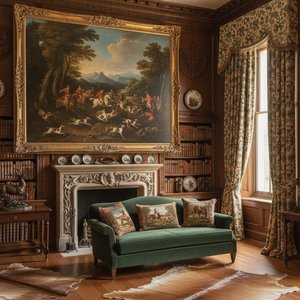
Capturing the Chase: Infusing Interiors with the Dramatic Grandeur of Historical Hunting Scene Artworks
Transform your space with the dramatic grandeur of hunting scene art. OriginalUniqueArt.com offers exquisite, hand-painted oil reproductions of Baroque landscapes and custom historical portraits. Discover museum-quality craftsmanship and bespoke artistry to bring timeless prestige to your home.

The Dramatic Flourish: Exploring the Baroque Movement's Enduring Legacy in Art History
Explore the dramatic world of Baroque art! Discover iconic artists like Caravaggio & Rubens, defining techniques, and its lasting impact on art history. Expert insights for collectors & enthusiasts at OriginalUniqueArt.

バロックのドラマ:現代のインテリアに壮麗さと情感を取り込む
バロック様式の歴史、絵画、家具の魅力をご紹介。OriginalUniqueArtでは、高品質な油絵複製やカスタムポートレートをご提供し、現代のインテリアに壮麗さと情感を取り入れます。アートコンサルテーションも承ります。

バロック美術を極めた至宝:時代を彩る10大名作の世界
バロック美術の華!カラヴァッジョ、ベルニーニら巨匠が創り上げた10大名作を徹底解剖。ドラマチックな色彩と豪華絢爛の世界観に触れ、至宝のアートプリントで空間を彩ろう。OriginalUniqueArt.comで美術館品質の複製と洗練されたインテリアを見つけましょう!