

 設置イメージを確認
 送る
送る シェア
シェア
 詳細情報
詳細情報 ガイドを表示

 画像をダウンロード
 似ている作品
 X線調査
X線調査 スライドショー
 統計情報
統計情報Untitled (St. Florian)
 Acrylic On Canvas
- WallArt
- Contemporary Minimalism
 2009
2009 33.0 x 40.0 cm
 Palazzo Grassi
 続きを読む
続きを読む
このページに掲載されている作品は著作権法によって保護されており、当社の許可なく同一の複製物を制作または販売することは法律で禁じられています。この保護は、以下のような国際条約に基づき執行されます。 ベルヌ条約 および、以下の条項に定められたものを含む各国の法律により、 米国著作権法 第17編。
この手法は、著作権で保護された作品の複製や複写を伴わないため、著作権法に完全に準拠しています。これは単なる模倣ではなく、創造的な再解釈です。元の作品からインスピレーションを受けつつも、それとは異なる、全く新しい絵画を生み出すものです。
ジークレー/アートプリント
スピーディーな制作と多彩な仕上げオプションが魅力の、ミュージアムクオリティなジークレー・キャンバスプリント。 ( 手描きの複製画を注文する デジタル画像販売へ切り替え)




P118B ¥10

P118H ¥10

P118W ¥10

P438Z ¥10

P508JH ¥12

P508YH ¥12

P805H ¥10

P805Z ¥10

P919BZ ¥10

P919G ¥10

P919XJ ¥10

P959ZH ¥10

P968JZ ¥12

W106C ¥8

W218G ¥10

W218JH ¥8

W218Y ¥10

W307PJ ¥10

W316G ¥10

W316PJ ¥8

W316Y ¥10

W398PJ ¥8

W4111J ¥10

W500HY ¥15

W500JH ¥15

W692G ¥12

W849H ¥8

W940BG ¥15

W953PJ ¥8




作品のオリジナル比率に合わせた、当店の規定サイズからお選びください。

額縁や壁のスペースに合わせて、ご希望の幅と高さを入力してください。プリントはカットすることは可能ですが、元の画像より大きくすることはできないため、異なる比率のサイズを選択された場合は、画像の一部が欠けることになります。印刷を開始する前に、内容を確認していただくためのデジタルモックアップをお送りいたします。このページに表示されている画像は、実際のカット後の状態を示すものではありません。実際の仕上がりはモックアップにてご確認ください。


 ガラスオプションは、110cm未満のサイズでのみご利用いただけます。

Untitled (St. Florian)
ジークレー/アートプリント
複製画サイズ一覧
-


合計金額
¥ 12591
Rudolf Stingel: A Visionary Sculptor Bridging Art and Architecture
Rudolf Stingel’s artistic journey began in Merano, Italy, where he honed his craft as a carpenter before dedicating himself to the pursuit of visual art. Emerging prominently on the contemporary art scene in the late 1980s, Stingel initially captivated audiences with his monochromatic paintings—primarily from 1987 to 1994—characterized by silvery surfaces subtly infused with hues of red, yellow, and blue. This early experimentation established a foundational interest in exploring surface perception and materiality, concepts that would permeate his subsequent oeuvre.- Conceptual Painting: Stingel’s artistic approach transcends conventional boundaries, prioritizing conceptual frameworks over purely aesthetic considerations. He deftly utilizes readily available industrial materials—styrofoam, carpet, cast polyurethane—to generate artworks rooted in profound ideas.
- Texture and Transformation: A pivotal shift occurred in the 1990s as Stingel embraced bolder colors and textures. His paintings involved applying thick layers of paint followed by meticulous placement of gauze and subsequent spraying with silver pigment. This process deliberately disrupts traditional painting techniques, resulting in richly textured surfaces that challenge established perceptions of artistic expression.
- Site-Specific Installations: Stingel’s signature style extends beyond canvas; he is renowned for transforming architectural spaces into immersive artworks. His monumental installations—such as the pink and blue floral carpet covering Grand Central Terminal—demonstrate a commitment to blurring the lines between art and environment, inviting viewers to contemplate the relationship between form and context.
The “Untitled (St. Florian)” Canvas: Exploring Perception Through Materiality
“Untitled (St. Florian),” created in 2009, exemplifies Stingel’s distinctive method—a masterful blend of conceptual painting and sculptural intervention. The artwork features a man holding a castle in his hand, rendered in black and white against a textured canvas surface. This seemingly simple composition belies a complex exploration of visual perception. The artist's deliberate manipulation of industrial materials—specifically styrofoam—creates an illusionistic effect that simultaneously references architectural grandeur and the fragility inherent in everyday objects. Technique: Stingel’s technique involves carving out, imprinting, or indenting the styrofoam surface to reveal underlying textures and contours. Subsequent spraying with silver paint amplifies this visual impact, transforming the canvas into a shimmering expanse that engages the viewer's senses. The resulting surface is not merely decorative; it embodies Stingel’s conceptual preoccupation with altering industrial matter and questioning conventional artistic conventions.Symbolism and Emotional Resonance
The imagery of “Untitled (St. Florian)” carries significant symbolic weight. The castle, traditionally representing power and stability, contrasts sharply with the man's hand—a gesture of vulnerability and acceptance. This juxtaposition underscores Stingel’s broader artistic concern: to provoke contemplation about how we perceive art and its role in shaping our understanding of the world. The artwork evokes a feeling of quiet grandeur, inviting viewers to consider the beauty found within unexpected materials and forms.A Legacy of Innovation
Rudolf Stingel’s contribution to contemporary art is undeniable. His pioneering use of industrial materials—particularly styrofoam—has redefined sculptural painting and established him as a visionary artist who consistently pushes artistic boundaries. Like Simon Berger, whose glass portraits similarly challenge conventional notions about artistic representation, Stingel's work speaks to the enduring power of conceptual art to inspire dialogue and provoke emotional responses. His ongoing exploration of materiality and architectural space ensures that his legacy will continue to resonate within the realm of visual culture for years to come.よくあるご質問
ルドルフ・スティンゲル作「Untitled (St. Florian)」は、どの芸術運動に属していますか?
ルドルフ・スティンゲル作「Untitled (St. Florian)」はContemporary Minimalismに属しています。このムーブメントは、本作の様式的な背景を形作るものです。
ルドルフ・スティンゲル作「Untitled (St. Florian)」は、どのような色彩の調和を見せていますか?
ルドルフ・スティンゲル作「Untitled (St. Florian)」の色使いは、Strong Color Unityな調和を見せています。ここでの「調和」とは、色彩同士が互いにどのように響き合っているかを表しています。
「Untitled (St. Florian)」において、コントラストと調和はどのように組み合わさっているのでしょうか?
ルドルフ・スティンゲル作「Untitled (St. Florian)」の色彩構成は、StatementなコントラストとStrong Color Unityな調和を併せ持っています。
アーティストについて
ルドルフ・スティンゲル:伝記
- 生誕:イタリア、メラーノ(1956年)
- 現在の居住地:ニューヨーク
- 国籍:イタリア
初期の歩みと芸術的発展
ルドルフ・スティンゲルは、1980年代後半のアートシーンにおいて、極めて重要な存在としてその名を現しました。当初、彼はモノクローム(単色)の絵画で広く知られるようになります。主に1987年から1994年にかけて制作されたこれらの作品は、銀色の表面に赤、黄、あるいは青といった繊細な色調を潜ませたものでした。この初期の探求を通じて、スティンゲルは「表面」と「知覚」というテーマへの深い関心を確立させていったのです。その後、1990年代に入ると、彼の芸術的展開は決定的な転換点を迎えます。より鮮やかな色彩と質感を用いた実験が始まったのです。これらの抽象画では、キャンバスに厚く塗られた絵具の上にガーゼを置き、その上から銀色のスプレーを吹き付けるという手法が採られました。後にガーゼを取り除くと、そこには豊かな質感を持つ表面が浮かび上がり、従来の「絵画」という概念を揺るさぶるような、新たな表現が誕生したのです。
芸術的核心となる概念と素材
スティンゲルの作品は根本においてコンセプチュアルであり、身近に存在する素材を用いることで、芸術、空間、そして知覚に関する思想を深く掘り下げています。彼の創作活動は絵画の枠組みを超え、インスタレーションや彫刻へとその領域を広げていきました。そのアプローチにおける重要な要素には、以下のようなものがあります。
- モノクロームの表面:初期の作品では、限られたパレットの中で光と色彩が織りなす相互作用に焦点が当てられました。
- 質感の探求:ガーゼやスプレーペイントといった素材の使用は、触覚的な関わりを誘う複雑な表面テクスチャーを生み出します。
- カーペット・インスタレーション:スティンゲルの作品を定義づける最も象徴的な特徴は、カーペットを媒体(メディア)として、また空間的要素として活用する点にあります。彼は壁面や床、さらには建築構造物そのものまでも、単色あるいは模様入りのカーペットで覆い尽くすことで、絵画、彫刻、そして建築の境界線を曖昧に変容させてきました。
- ラジエーター・スカルプチャー:初期のインスタレーションでは、ラジエーター(放熱器)を模した半透明のキャスト樹脂彫刻が登場しました。そこにはオレンジ色ののアクリル絵具が取り入れられ、まるで幽玄な輝きを放つような効果をもたらしています。
- サイト・スペシフィック(場に固有な)作品:スティンゲルの最も衝撃的なプロジェクトは、しばしば特定の場所の特性に適応した「サイト・スペシフィック」なものです。例えば、グランド・セントラル・ターミナルやウォーカー・アート・センターの床を花柄のカーペットで覆った《Plan B》(2004年)は、その手法の極致と言えるでしょう。
- 胸像彫刻:近年の作品には、ミクストメディアの手法を用いて「老い」や「憂鬱」といったテーマを追求した、グレースケールの胸像も含まれています。
影響と歴史的意義
スティンゲルの作品は、一言で分類することを拒むような複雑さを秘めていますが、そこにはいくつかの明確な影響を見出すことができます。
- ミニマリズム:単純な形態と工業的な素材へのこだわりは、ミニマリズムの美学との繋がりを反映しています。
- コンセプチュアル・アート:芸術の背後にある根源的な思想に焦点を当てる姿勢は、コンセプチュアル・アートの実践と深く共鳴しています。
- ポップ・アート:日常的なオブジェや大量生産された素材の使用は、大衆文化と関わりを持ったポップ・アートの精神を彷彿とさせます。
スティンゲルの歴史的な意義は、絵画や彫刻という従来の定義に挑戦し続けたその能力にあります。カーペットのような型破りな素材を取り入れ、建築空間そのものを芸術作品へと変容させることで、彼は芸術表現の境界を押し広げました。彼の作品は、芸術、空間、そして鑑賞者の関係性を問い直すことで、現代美術の言説において極めて重要な役割を果たしてきたのです。
主要な業績と評価
- ヴェネツィア・ビエンナーレへの参加:スティンゲルの作品は、世界で最も権威ある国際美術展の一つであるヴェネツィア・ビエンナーレにおいて、際立った存在感を示してきました。
- サイト・スペシフィックなインスタレーション:グランド・セントラル・ターミナルのような公共空間における大規模なインスタレーションは、世界中の注目を集めました。
- 美術館での展示:スティンゲルの作品は、世界各地の数多くの美術館に収蔵されており、主要な機関での個展も数多く開催されています。
ルドルフ・スティンゲルのさらなる作品については、OriginalUniqueArt.com でご覧いただけます。
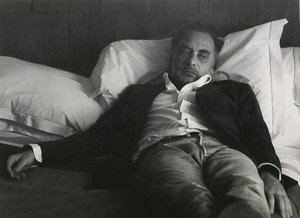
ルドルフ・スティンゲル
1956 - , イタリア
アーティスト情報
- Artistname: ルドルフ・スティンゲル
- Biographysummary: ルドルフ・スティンゲルは、イタリアのメラーノ出身のイタリア人アーティストであり、芸術の伝統的な概念に挑戦するコンセプチュアルな絵画やインスタレーションで知られています。発泡スチロール、カーペット、キャストポリウレタンなど、手に入りやすい素材を使用して、根底にあるコンセプトに基づいた作品を制作します。初期の作品はモノクロームの銀色の絵画が特徴でしたが、後期の作品では、黒い地色に鮮やかな色彩を施し、ガーゼとスプレーペイントを用いて質感のある表面を作り出しています。また、スティンゲルは樹脂を用いたラジエーターの彫刻や、カーペットや断熱パネルで空間を覆うサイト・スペシフィックなインスタレーションも制作しています。
- Birthdate: 1956年
- Birthplace: イタリア、メラーノ
- Deathdate: 存命
- Movement: コンセプチュアル・アート
- Nationality: イタリア
- Notableworks:
- 無題 (242 x 300 cm, パラッツォ・グラッシ (イタリア、ヴェネツィア))
- 無題 (聖ヨハネ)
- 無題 (聖エリザベス)
関連記事
青銅彫刻の永続的遺産:歴史、技法、そして現代における解釈
青銅彫刻の歴史、技法、現代における解釈を専門家が解説。古代から現代までの貴重な作品群を深く理解し、コレクションや投資に役立つ情報を提供します。美術品鑑定、修復についてもご紹介。

The Enduring Form: Sculpture Across History, Technique & Emotional Resonance
Explore the rich history of sculpture with OriginalUniqueArt. Discover key techniques, influential artists & investment potential for discerning collectors. Expert insights into valuing and collecting timeless masterpieces.

Bronze Age to Modern Masters: 10 Sculptures That Redefined Art | OriginalUniqueArt
Journey through art history with 10 legendary bronze sculptures – from Michelangelo's David to Rodin’s Thinker. Explore the stories, techniques & timeless beauty of these masterpieces. Find museum-quality reproductions & elevate your home decor on OriginalUniqueArt.com.

Bronze Sculptures That Defined Art History | OriginalUniqueArt
Journey through art history with our Top 10 bronze sculptures! Explore masterpieces by Rodin, Michelangelo & more. Discover stories behind iconic statues and find museum-quality reproductions for your home decor at OriginalUniqueArt.com.

The Enduring Form: Exploring Themes & Techniques in Sculpture Across Historical Periods
Explore the rich history of sculpture from ancient masterpieces to contemporary innovations. Discover key techniques, influential artists & investment potential for discerning art collectors.