油彩画を購入
 Despairの詳細







































 いずれかの辺が105 cm(約41インチ)を超えるアートワークまたは複製画の場合、フレームは分解されたキットの状態でお届けいたします。この方法は、輸送中の破損を防ぎ、安全に配送するために採用しております。


A Visceral Encounter with Pop Art's Emotional Core
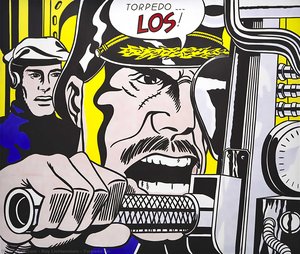
In the pantheon of twentieth-century masterpieces, few works capture the intersection of mass media aesthetics and raw human vulnerability as poignantly as Roy Lichtenstein’s “Despair.” Created in 1979, this striking piece transcends its comic-strip origins to offer a profound meditation on anxiety. At first glance, the viewer is met with a stylized, cartoonish figure, yet the simplicity of the form belies a deep psychological complexity. The central focus remains fixed upon an expressive face, where a wide-open mouth serves as a silent, haunting scream—a visual cue for anguish that resonates far beyond the boundaries of the canvas. While the background features scattered figures that hint at a larger, perhaps more chaotic narrative, they remain secondary to the overwhelming sense of individual isolation and distress that radiates from the protagonist.
The brilliance of “Despair” lies in Lichtenstein’s masterful command of the Pop Art lexicon. He famously rejected traditional illusionistic depth, opting instead for a deliberate flatness that prioritizes immediate visual impact. To achieve this, he utilized the iconic Ben-Day dots technique—a method borrowed from the halftone printing processes found in mid-century newspapers and comic books. This meticulous application of small, colored dots creates a textured, mechanical surface that mimics mass production while simultaneously elevating the subject matter to the realm of fine art. The interplay of bold, primary color blocks against these rhythmic patterns creates a tension between the "low" culture of commercial printing and the "high" art of gallery exhibition, making it an irresistible centerpiece for any modern collection.
Symbolism, Color, and the Echoes of an Era
The emotional temperature of the painting is dictated by its vibrant yet unsettling color palette. Lichtenstein employs a dominant scheme of red and yellow to amplify the artwork’s inherent intensity. In this composition, red functions as more than just a pigment; it symbolizes passion, danger, and the heat of an unfolding crisis, while the bright yellow provides a jarring contrast that heightens the sense of alarm. Occasional blue accents ground the composition, yet they cannot dampen the feverish energy of the primary tones. This chromatic strategy ensures that the viewer’s eye is constantly moved across the canvas, mirroring the restless, unsettled state of the character depicted.
To understand “Despair,” one must also consider the historical atmosphere of its creation. Emerging in the late 1970s, the work reflects a period of profound duality in American life—a time when the post-war economic optimism was beginning to be eclipsed by shadows of social unrest and political instability. Lichtenstein captures this zeitgeist perfectly, translating societal anxieties into a universal language of suffering and identity crisis. For the discerning collector or interior designer, “Despair” offers more than mere decoration; it provides a sophisticated conversational piece that invites contemplation on the human condition. Whether placed in a contemporary gallery setting or as a bold statement in a curated residential space, this reproduction brings the enduring legacy of Lichtenstein’s visionary Pop Art into the modern home.
Q&A
Despairは手描きですか、それともプリントですか?
手描きによる制作:熟練した画家が、リネンキャンバスに油彩でDespairを模写します。
Despairのサイズはどれを選べばよいですか?
サイズは35.6 x 28.1 cm (¥31674)から247.2 x 195.5 cm (¥280630)まで展開しております。こちらのページ内の表に、主な工程とそれぞれの価格を記載しています。
配送にはどのくらいの時間がかかりますか?
配送には4〜5週間を要し、世界中どこでも速達便にて無料でお届けいたします。また、本ページではお急ぎの方向けの特急制作オプションもご用意しております。商品は、理由を問わず100日以内であれば全額返金での返品が可能です。
ロイ・リキテンスタインはDespairの制作にどのような画材(メディア)を使用しましたか?
Painting
 設置イメージを表示

 シェアする
 シェアする
 詳細を見る
 解説シート


 ダウンロード
 似ている作品
 X線調査
 スライドショーを表示
 Q&A

 統計情報