設置イメージを確認
 送る
送る シェア
シェア
 詳細情報
詳細情報 ガイドを表示

 画像をダウンロード
 似ている作品
 X線調査
X線調査 スライドショー
 統計情報
統計情報Virgin and Child
 Oil On Panel
- WallArt
- Early Netherlandish Renaissance
 1433
1433- Renaissance
 14.0 x 10.0 cm
 プラド美術館
 続きを読む
続きを読む
ジークレー/アートプリント
スピーディーな制作と多彩な仕上げオプションが魅力の、ミュージアムクオリティなジークレー・キャンバスプリント。 ( 手描きの複製画を注文する デジタル画像販売へ切り替え)




P118B ¥10

P118H ¥10

P118W ¥10

P438Z ¥10

P508JH ¥12

P508YH ¥12

P805H ¥10

P805Z ¥10

P919BZ ¥10

P919G ¥10

P919XJ ¥10

P959ZH ¥10

P968JZ ¥12

W106C ¥8

W218G ¥10

W218JH ¥8

W218Y ¥10

W307PJ ¥10

W316G ¥10

W316PJ ¥8

W316Y ¥10

W398PJ ¥8

W4111J ¥10

W500HY ¥15

W500JH ¥15

W692G ¥12

W849H ¥8

W940BG ¥15

W953PJ ¥8




作品のオリジナル比率に合わせた、当店の規定サイズからお選びください。

額縁や壁のスペースに合わせて、ご希望の幅と高さを入力してください。プリントはカットすることは可能ですが、元の画像より大きくすることはできないため、異なる比率のサイズを選択された場合は、画像の一部が欠けることになります。印刷を開始する前に、内容を確認していただくためのデジタルモックアップをお送りいたします。このページに表示されている画像は、実際のカット後の状態を示すものではありません。実際の仕上がりはモックアップにてご確認ください。


 ガラスオプションは、110cm未満のサイズでのみご利用いただけます。

Virgin and Child
ジークレー/アートプリント
複製画サイズ一覧
-


合計金額
¥ 12604
A Sacred Intimacy Captured in Paint
In the quiet stillness of the mid-fifteenth century, a profound moment of spiritual intimacy was frozen in time by the Flemish Master, Rogier van der Weyden. His Virgin and Child is far more than a mere religious icon; it is a window into the very heart of medieval piety. As one gazes upon the Virgin Mary, cradling her infant son with a regal yet tender grace, the boundaries between the earthly and the divine begin to blur. The composition, rich with a sense of reverence, places the viewer in a sacred space where every fold of her blue robe and every subtle expression on the child's face speaks to an unparalleled level of devotion. Within this intimate scene, additional figures emerge from the background, adding layers of narrative depth that invite the observer to linger and contemplate the divine presence.The Mastery of Texture and Light
What sets this masterpiece apart is the extraordinary technical brilliance brought to the panel by an artist whose hands were once trained in the exacting world of goldsmithing. Before he was a renowned painter, Rogier van der Weyden de la Pasture understood the precise luster of precious metals and the intricate details of fine craftsmanship. This background is evident in his revolutionary use of oil paint, where he pioneered a meticulous layering process to achieve breathtaking depth. Through thin, translucent glazes, he captures the tactile reality of the scene—from the velvety weight of Mary’s garments to the delicate, luminous sheen of the infant Jesus’ skin. For the discerning collector or interior designer, this level of detail offers a sensory experience that transforms a wall into a portal of historical realism, where light and shadow dance with almost supernatural accuracy.A Timeless Centerpiece for Sophisticated Interiors
Beyond its historical and religious significance, the Virgin and Child possesses an enduring aesthetic elegance that makes it a profound choice for modern curation. The painting’s ability to command attention through its balanced composition and emotional depth allows it to serve as a sophisticated focal point in any high-end setting. Whether placed within a classical study or integrated into a contemporary gallery-style room, the work brings a sense of calm, intellectual weight, and historical continuity. Owning a reproduction of such a cornerstone of Early Netherlandish art is an invitation to surround oneself with the legacy of the Northern Renaissance—a testament to a time when art was used to bridge the gap between the human soul and the infinite.よくあるご質問
ご購入前に、ロジェ・ヴァン・デル・ウェイデン作「Virgin and Child」 をご自身の壁に飾った様子を確認することはできますか?
対応するデバイスの拡張現実(AR)機能を使用し、作品のARプレビューページから、ご自身の壁にロジェ・ヴァン・デル・ウェイデン作「Virgin and Child」をプレビュー表示することができます。
ロジェ・ヴァン・デル・ウェイデン作「Virgin and Child」の活用方法や、おすすめの設置スペースについて教えてください。
「Virgin and Child」はAccentに最適で、Living Roomへの飾るのがおすすめです。
ロジェ・ヴァン・デル・ウェイデン作「Virgin and Child」はギフトとしておすすめですか?また、どのような方への贈り物に適していますか?
ロジェ・ヴァン・デル・ウェイデン作「Virgin and Child」は、Mother's Dayへの贈り物として、特にAccentの際におすすめです。作品の複製画をプレゼントとしてお贈りいただけます。
アーティストについて
ロギエ・ファン・デル・ヴェイデン:感情表現の巨匠
1400年頃、現在のベルギー、トゥルネーで生まれたロギエ・ファン・デル・ヴェイデン(Roger de la Pasture)は、初期フランドル絵画における最も重要な芸術家の一人として、その名を知られています。彼の作品は主に宗教的な三連祭壇画や肖像画で構成されており、その繊細な感情表現と卓越した技術は、当時のヨーロッパの美術に大きな影響を与えました。幼少期に関する情報はほとんど残されていませんが、金細工職人の息子として生まれ、その精密さと美への感性は、後の絵画作品にも色濃く反映されています。トゥルネーで芸術家としてのキャリアをスタートさせ、ロバート・カンピンの工房で修行を経て、独自のスタイルを確立していきました。
ブルゴーニュ宮廷での隆盛と革新
1435年、ファン・デル・ヴェイデンはブルゴーニュ公フィリップ善良公に仕えるようになり、宮廷画家としての地位を確立しました。この庇護のもとで、彼はより洗練された芸術的ビジョンを追求し、初期フランドル絵画の伝統を受け継ぎながらも、感情表現の深さと自然主義的な描写を重視する独自のスタイルを開発していきました。彼の作品は単なる宗教画ではなく、登場人物の内面にある感情や苦悩を鮮やかに描き出し、鑑賞者に深い感動を与えました。特に、聖ルカがマリアを描く場面や、哀悼の場面における悲しみと絶望の表現は、当時の絵画には見られなかった革新的な試みであり、後の芸術家たちに大きな影響を与えました。
感情と自然主義:ヴェイデンの芸術的特徴
ファン・デル・ヴェイデンの作品を特徴づけるのは、その卓越した感情表現です。彼は登場人物の表情や身振りを通して、喜び、悲しみ、絶望といった様々な感情を繊細に描き出しました。例えば、『哀悼』におけるマリアの涙は、単なる描写にとどまらず、人間の苦悩と信仰の深さを象徴するものであり、鑑賞者の心に深く響きます。また、彼の作品には自然主義的な描写も見られます。人物の肌の色や質感、衣服の素材感など、細部に至るまで緻密な観察眼が反映されており、まるで生きているかのようなリアリティを生み出しています。彼は油彩技法を巧みに使いこなし、透明感のある色彩と光の表現によって、作品に奥行きと立体感を付与しました。
後世への影響と遺産
ファン・デル・ヴェイデンの作品は、当時のヨーロッパ各地で高く評価され、イタリアやスペインなどにも多くの作品が輸出されました。彼の革新的な感情表現と自然主義的な描写は、後の芸術家たちに大きな影響を与え、特にイタリアのルネサンス美術には、その足跡を見ることができます。しかし、17世紀以降、彼の作品は一時的に忘れ去られてしまいますが、19世紀に入り、再評価が進み、現在では初期フランドル絵画を代表する芸術家の一人として、世界中で愛されています。彼の三連祭壇画や肖像画は、美術史における重要な遺産であり、その感情豊かな表現と卓越した技術は、今なお多くの人々を魅了し続けています。
主要作品
ファン・デル・ヴェイデンの代表的な作品としては、『聖ルカがマリアを描く』、『哀悼』、『降下』などが挙げられます。『哀悼』は、彼の感情表現の深さを最もよく示す作品の一つであり、その劇的な構図と登場人物の表情は、鑑賞者の心を揺さぶります。また、『降下』は、彼の卓越した技術力と宗教的テーマに対する深い理解を示す作品であり、フランドル絵画の最高傑作の一つとして知られています。
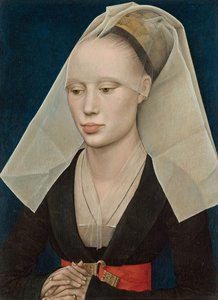
ロジェ・ヴァン・デル・ウェイデン
1400 - 1464 , ベルギー
アーティスト情報
- フルネーム: ロギエ・ファン・デル・ウェーデン
- 主な作品:
- 聖ルカ像
- 哀悼
- 降下
- 受胎告知
- ブラデリン三連祭壇画
- 出生地: トゥルネ (ベルギー)
- 国籍: ベルギー
- 影響を与えた芸術家:
- イタリア・ルネサンス
- スペイン絵画
- 影響を受けた芸術家:
- ロベルト・カンピン
- ヤン・ファン・エイク
- 生年月日: 1399年または1400年頃
- 芸術運動: 初期フランドル絵画
関連記事
Robert Campin: Pioneering Realism & Spiritual Depth in Early Netherlandish Painting
Explore the revolutionary work of Robert Campin, a pioneer of Early Netherlandish painting. Discover his naturalistic style, religious symbolism in masterpieces like the Mérode Altarpiece, and lasting influence on art history.
Spiritual Art: 10 Masterpieces to Inspire Your Soul |
Explore 10 spiritual art masterpieces – from Da Vinci to Van Gogh – that ignite inner peace & reflection. Discover their stories, techniques & emotional power. Find museum-quality reproductions & curated decor ideas at .

Early Netherlandish Masters: 10 Paintings That Revolutionized Art & Decor
Journey into the world of Early Netherlandish painting! Explore 10 masterpieces by Jan van Eyck, Rogier van der Weyden & more. Discover stunning detail, symbolism & Renaissance art for your home decor. Find museum-quality reproductions on OriginalUniqueArt.com
フラ・アンジェリコの傑作25選:ルネサンス美術の神髄と至高の装飾 | OriginalUniqueArt
フラ・アンジェリコの傑作25選。ルネサンス美術の神髄を紐解き、天使のような静謐な色彩と宗教画の世界へ誘います。壁画やフレスコ画の技法、修道院に息づく祈りの絵…OriginalUniqueArtで至高のアートプリントをお手軽に。コレクションを探索する。
The Alchemy of Light: Discovering the Luminous Realism of Early Netherlandish Masters
Embark on a journey through the Northern Renaissance. Discover how Early Netherlandish masters revolutionized art through oil innovation, luminous realism, and profound symbolic depth. Explore the breathtaking technical brilliance of the Flemish masters.