
 設置イメージを確認
 送る
送る シェア
シェア
 詳細情報
詳細情報 ガイドを表示

 画像をダウンロード
 似ている作品
 X線調査
X線調査 スライドショー
 統計情報
統計情報Drowsy Cronies


 続きを読む
続きを読む
ジークレー/アートプリント
スピーディーな制作と多彩な仕上げオプションが魅力の、ミュージアムクオリティなジークレー・キャンバスプリント。 ( 手描きの複製画を注文する デジタル画像販売へ切り替え)




































作品のオリジナル比率に合わせた、当店の規定サイズからお選びください。

額縁や壁のスペースに合わせて、ご希望の幅と高さを入力してください。プリントはカットすることは可能ですが、元の画像より大きくすることはできないため、異なる比率のサイズを選択された場合は、画像の一部が欠けることになります。印刷を開始する前に、内容を確認していただくためのデジタルモックアップをお送りいたします。このページに表示されている画像は、実際のカット後の状態を示すものではありません。実際の仕上がりはモックアップにてご確認ください。


 ガラスオプションは、110cm未満のサイズでのみご利用いただけます。

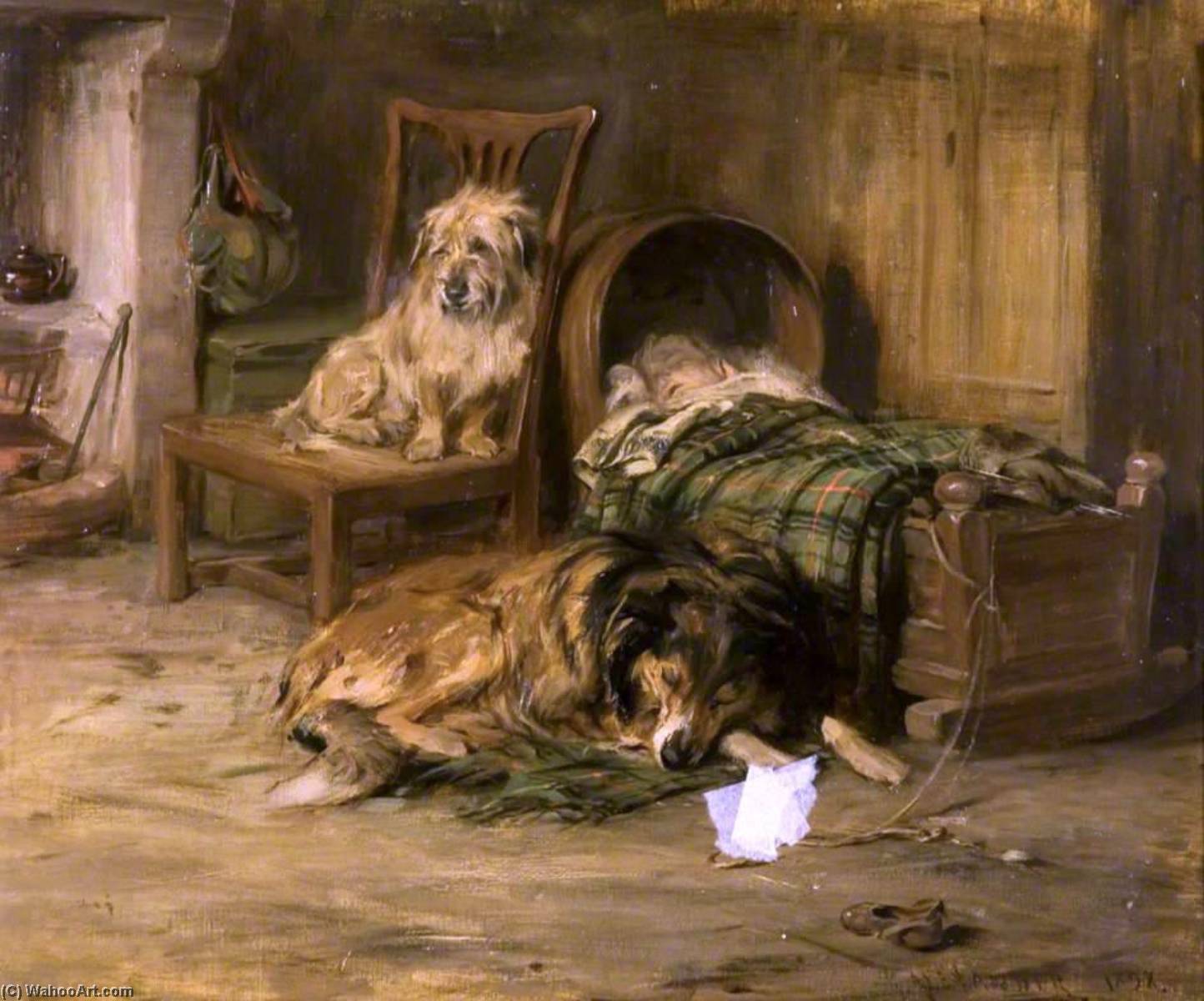
Drowsy Cronies
ジークレー/アートプリント
複製画サイズ一覧
-


合計金額
¥ 12695
Artist and Style
Robert L Alexander was a skilled artist known for his attention to detail and ability to capture the essence of everyday life. His use of oil on canvas in Drowsy Cronies adds depth and texture to the painting, making it even more captivating. The artist's style is characterized by his ability to convey a sense of warmth and comfort through his brushwork. Key Features of the painting include:- The two dogs sitting on chairs in front of a bed, creating a sense of intimacy and companionship
- The person lying down in the bed, possibly taking a nap, adding to the cozy atmosphere
- The cat present in the scene, located towards the right side of the painting, adding a touch of playfulness
Location and Availability
The original painting Drowsy Cronies is housed at the Dundee Art Gallery And Museum in Dundee, United Kingdom. However, handmade oil paintings reproductions of this beautiful piece are available for purchase on https://OriginalUniqueArt.com. For more information on the artist and his works, visit https://OriginalUniqueArt.com.The painting Drowsy Cronies by Robert L Alexander is a must-see for art lovers and those who appreciate the beauty of everyday life. With its warm and inviting atmosphere, this piece is sure to captivate audiences and inspire a sense of comfort and companionship.
よくあるご質問
「Drowsy Cronies」の作者と制作年はいつですか?
Robert L Alexanderによる「Drowsy Cronies」は、1898年に制作されました。
Robert L Alexander作「Drowsy Cronies」は、どのような色彩の調和を見せていますか?
「Drowsy Cronies」の色彩の調和は、Unified Paletteと表現されます。
「Drowsy Cronies」に著作権はかかっていますか?
Robert L Alexander作「Drowsy Cronies」 の著作権について:本作品はパブリックドメイン(著作権消滅)です。これにより、画像の複製が自由に行えるかどうかが決まります。
アーティストについて
A Life Immersed in the Scottish Countryside: The World of Robert Alexander
Robert Alexander, born in 1840 in the small village of Dalgarven near Kilwinning in Ayrshire, Scotland, was an artist whose work became synonymous with the gentle warmth of domestic life and the rugged beauty of his homeland. His path to becoming a celebrated painter wasn’t conventional; rather than formal art schooling, Alexander began as an apprentice to a house-painter in Irvine, learning the fundamentals of landscape painting alongside more practical skills. This early grounding instilled in him not only technical proficiency but also a keen observation of light and form that would later characterize his distinctive style. He subsequently found employment with the Royal Scottish Museum in Edinburgh, further honing his abilities before dedicating himself fully to easel painting around 1868 – the year he first exhibited at the prestigious Royal Scottish Academy.Capturing the Essence of Animals: A Rising Star
Alexander quickly distinguished himself by focusing on animal subjects, particularly dogs and horses. He didn’t merely *depict* these creatures; he sought to capture their personalities, their inherent dignity, and their connection to the rural world around them. His work resonated with a growing Victorian audience that appreciated both realism and sentimentality. He possessed an exceptional skill for portraying expressive eyes and textured coats, bringing his subjects vividly to life on canvas. This talent led to consistent exhibitions at the RSA – over 125 works were displayed throughout his lifetime – establishing him as a prominent figure in Scottish art circles. His election as an Associate of the Royal Scottish Academy (ARSA) in 1878 and then as a full Royal Scottish Academician (RSA) in 1888 solidified his position within the artistic establishment.Impressionistic Touches and Pastoral Charm
While firmly rooted in realism, Alexander’s work demonstrates a clear influence of Impressionism. This is not to say he abandoned precise detail altogether, but rather that he embraced a looser brushstroke and a more nuanced understanding of light and color. His paintings often evoke a sense of atmosphere, capturing the fleeting moments of everyday life with remarkable sensitivity. Works like “Goat and Kids” exemplify this approach – a serene scene rendered with earthy tones and a delicate play of sunlight. He wasn’t interested in grand historical narratives or dramatic compositions; instead, he found beauty in the simple rhythms of rural existence: feeding horses, quiet moments within barns, and the tender bonds between animals and people. His paintings offer a glimpse into a world where life moved at a slower pace, and nature held a central place.Legacy and Historical Significance
Robert Alexander’s contribution to Scottish animal painting is undeniable. He elevated the genre beyond mere portraiture, infusing his work with both artistic skill and emotional depth. He was not simply recording what he saw; he was interpreting it through a lens of warmth, understanding, and genuine affection. His paintings provide valuable insights into Victorian rural life and the evolving relationship between humans and animals. Furthermore, Alexander’s influence extended to his own family – his son, John Edwin Alexander, also became a successful artist, continuing the legacy of capturing the beauty of the Scottish countryside. Today, Robert Alexander's works are cherished for their charm, realism, and ability to transport viewers to a simpler, more idyllic time. His paintings continue to be exhibited and admired, ensuring that his vision of Scotland’s pastoral heart endures.
Robert L Alexander
1840 - 1923
アーティスト情報
- Artistic Movement Or Style: Impressionism
- Date Of Birth: 1840
- Date Of Death: 1923
- Full Name: Robert L Alexander
- Nationality: Scottish
- Notable Artworks:
- Head of a Deerhound
- Feeding the Horse
- Goat and Kids
- Place Of Birth: Kilwinning, Scotland