

 設置イメージを確認
 送る
送る シェア
シェア
 詳細情報
詳細情報 ガイドを表示

 画像をダウンロード
 似ている作品
 X線調査
X線調査 スライドショー
 統計情報
統計情報The Spanish Gypsy


 続きを読む
続きを読む
ジークレー/アートプリント
スピーディーな制作と多彩な仕上げオプションが魅力の、ミュージアムクオリティなジークレー・キャンバスプリント。 ( 手描きの複製画を注文する デジタル画像販売へ切り替え)




P118B $10

P118H $10

P118W $10

P438Z $10

P508JH $12

P508YH $12

P805H $10

P805Z $10

P919BZ $10

P919G $10

P919XJ $10

P959ZH $10

P968JZ $12

W106C $8

W218G $10

W218JH $8

W218Y $10

W307PJ $10

W316G $10

W316PJ $8

W316Y $10

W398PJ $8

W4111J $10

W500HY $15

W500JH $15

W692G $12

W849H $8

W940BG $15

W953PJ $8




作品のオリジナル比率に合わせた、当店の規定サイズからお選びください。

特定のフレームやスペースに合わせて、ご自身でサイズを指定することも可能です。選択されたサイズが元の画像の比率と一致しない場合、作品をトリミングするか、鏡面反射または単色での塗りつぶしによって画像を拡張いたします。制作を開始する前に、ご確認用のデジタルモックアップをお送りいたします。
画面上のプレビューには、実際のトリミングや拡張は反映されませんのでご注意ください。最終的な構図を正確に確認できるのは、モックアップのみとなります。
カスタムサイズも承っておりますが、元の比率を維持するためには、あらかじめ用意されたリストからサイズを選択することをお勧めいたします。


 ガラスオプションは、110cm未満のサイズでのみご利用いただけます。

The Spanish Gypsy
ジークレー/アートプリント
複製画サイズ一覧
-


合計金額
$ 80
A Glimpse into the Soul: Robert Henri’s “The Spanish Gypsy”
Robert Henri's "The Spanish Gypsy," painted in 1912, isn’t merely a portrait; it’s a carefully constructed tableau of observation and empathy. This arresting image captures a young woman from Madrid’s Roma community, a figure rendered with an uncommon directness that speaks volumes about Henri’s commitment to American Realism – a movement he championed as a rejection of academic art's idealized forms. The painting immediately draws the viewer in, not through grand gestures or dramatic lighting, but through the quiet intensity of her gaze and the subtle details of her attire. Henri wasn’t interested in romanticizing poverty or exoticizing the Roma; instead, he sought to present her as a fully realized human being, imbued with dignity and an unspoken story.
The Ashcan School and the Champion of the Marginalized
To understand “The Spanish Gypsy,” one must appreciate Robert Henri’s place within the Ashcan School. Emerging in New York City around 1908, this group of artists – including George Bellows, John Sloan, and Charles Demuth – deliberately rejected the polished surfaces and historical subjects favored by the established art world. They sought to depict everyday life, particularly the lives of working-class Americans and marginalized communities. Henri’s early life, marked by instability and a deliberate severance from his past identity as Robert Cozad, profoundly shaped this perspective. His experiences instilled within him a deep understanding of displacement and resilience – qualities he powerfully conveyed through his art. The painting reflects this ethos; it's not about judging or presenting the Roma as ‘other,’ but rather offering a respectful and intimate portrayal of a woman living on the fringes of society.
Henri’s decision to paint in Madrid during the summer of 1912 was deliberate. He sought out this community, recognizing their inherent dignity and strength. He famously described her as entering his studio “with austere defiance,” suggesting a quiet resistance to being objectified or reduced to a stereotype. This encounter highlights Henri's belief that genuine art arises from direct observation and an honest engagement with the subject matter.
Decoding Symbolism: Color, Gesture, and Narrative
The painting’s composition is deceptively simple yet remarkably effective. The woman sits in a plain chair – a symbol of her relative lack of privilege, but also of quiet strength. Her pink dress, though modest, possesses a vibrant hue that draws the eye and hints at an underlying vitality. Henri's masterful use of oil paint creates a rich texture and depth, particularly evident in the folds of her clothing and the subtle variations in skin tone. The background is deliberately muted, drawing attention to the subject’s face – a focal point where Henri captures a complex range of emotions: curiosity, perhaps a hint of sadness, and an undeniable sense of self-possession.
The presence of the two other figures—a man standing behind her and another further back—adds layers of narrative ambiguity. Are they guardians, observers, or simply part of her world? Henri leaves these details intentionally vague, inviting the viewer to project their own interpretations onto the scene. The chair itself is a key element; it’s not an ornate piece of furniture but a functional object, grounding the figure in reality and emphasizing her connection to everyday life.
A Legacy of Honest Representation
“The Spanish Gypsy” remains a powerful testament to Robert Henri's artistic vision. It’s a painting that transcends its subject matter to offer a profound meditation on identity, resilience, and the dignity of ordinary people. Henri’s commitment to portraying his subjects with honesty and empathy paved the way for future generations of American artists who sought to capture the complexities of modern life. Today, reproductions of this iconic work continue to resonate with viewers, reminding us of the importance of looking beyond superficial appearances and recognizing the humanity in all individuals.
アーティストについて
ロバート・ヘンリーの波乱万丈な生い立ち
1865年、オハイオ州シンシナティで生まれたロバート・ヘンリー(本名:ロバート・ヘンリー・コザッド)は、その生涯と芸術に深く影響を与えるであろう、不安定さと自己変革の感覚を抱えていました。彼の幼少期は決して平穏なものではなく、ギャンブラーであり不動産開発業者でもあった父ジョン・ジャクソン・コザッドと母テレーサ・ゲートウッド・コザッドとの間に生じた激しい関係に影が落ちていました。1882年、土地をめぐる致命的な銃撃事件が起こり、家族は報復を逃れるために身を隠し、新たなアイデンティティを採用せざるを得なくなりました。若いロバートはロバート・ヘンリーとなり、紛争に満ちた過去からの決別と、芸術家としての象徴的な再生を意味しました。ネブラスカ州からコロラド州への旅を経て、ニューヨーク市、そして大西洋シティへと落ち着いた彼は、社会の片隅で生きる人々に深い共感を抱くようになりました。この初期の経験は、彼の芸術的ビジョンを特徴づける要素となり、慣習や社会的な期待に囚われず、ありのままの生活を描こうとする決意を育みました。
新たな視点の形成:芸術的発展と影響
ヘンリーの正式な芸術教育は、フィラデルフィアのペンシルベニア美術アカデミーでトーマス・アンシュッツのもとで始まり、そこで彼は技術的なスキルを磨きました。しかし、1888年のパリへの旅が、彼の芸術的覚醒を真に引き起こしました。当初はアカデミー・ジュリアンでの学術的な伝統に惹かれ、ウィリアム=アドルフ・ブーグローやフランソワ・ミレーといった巨匠の影響を受けましたが、徐々に印象派へと傾倒していきました。それでも彼は、単に見たものを模倣することには満足できず、現実とのより深い関わりを求めました。光の移ろいだけでなく、現代生活の生々しい感情と活力を捉える方法を探求しました。この探求は、オランダの写実主義者フランツ・ハルスへと導き、彼の自由奔放な筆致と心理的な洞察がヘンリー自身の芸術的感性に深く共鳴しました。彼は*ポシャード*と呼ばれる小さな木製パネルを使って素早くスケッチを始め、作品に自発性と即時性を促しました。アメリカに戻った彼は、技術だけでなく、観察、誠実さ、そして個々の表現に基づいた芸術哲学を教える献身的な教師となりました。
現実を捉える:アッシュカン派と「The Eight」
ロバート・ヘンリーは自身のキャンバスを超えてアメリカ美術に大きな影響を与え、保守的なアート界の規範に挑戦する変革の触媒となりました。彼は、賑やかな街並みから混雑した借家まで、都市生活の厳しい現実を描こうとしたアーティストたちの集団であるアッシュカン派の中心人物でした。ヘンリーの写実主義へのコミットメントと学術的な気取らない姿勢は、1908年に「The Eight」を結成することにつながりました。ウィリアム・グラッケンス、ジョージ・ラックス、エベレット・シン、ジョン・スローンなど、志を同じくするアーティストたちが集まり、国立デザインアカデミーの制限的な政策に直接抗議するために独立した展覧会を開催しました。この反逆行為はアメリカ美術史における画期的な瞬間となり、ヨーロッパの支配から離れ、ユニークなアメリカの芸術的声へとシフトすることを示しました。この時期のヘンリーの絵画、「Woman in Manteau」(1899年)や彼の印象的な肖像画は、平凡な人々の尊厳と回復力を捉え、確立された人々が好んだ理想化された表現とは対照的な力強いカウンターポイントを提供しました。
遺産と永続する影響
ロバート・ヘンリーのその後のアメリカ人アーティストへの影響は計り知れません。教師として、彼はジョセフ・ステラ、エドワード・ホッパー、ロックウェル・ケント、ジョージ・ベローズ、ノーマン・レーベン、ルイ・D・ファンチャー、スチュアート・デイビスなど、20世紀の芸術の流れを形作る才能ある人材を育成しました。彼の死後1923年に出版された著書『The Art Spirit』は、観察、技術、そして芸術的誠実さの重要性に関する時代を超越した知恵を提供し、意欲的なアーティストにとって重要なテキストであり続けています。ロバート・ヘンリーが人生を正直さと共感をもって描こうとしたコミットメント、慣習への拒絶、そして芸術が聴衆とつながる力に対する揺るぎない信念は、今日でもアーティストにインスピレーションを与え続けています。彼の絵画は単なる現実の表現ではありません。それらは人間の状態への窓であり、人間の美しさ、苦闘、そして回復力を証明するものです。彼はアメリカ写実主義に消えない足跡を残し、平凡な人々の日常的な経験を祝う、より民主的で包括的なアート界への道を開きました。彼の遺産は自身の傑作だけでなく、彼が自身の声を見つけ、自身の物語を語るように促した無数のアーティストたちを通して生き続けています。

ロバート・ヘンリー
1865 - 1929 , アメリカ合衆国
アーティスト情報
- Artistic Movement Or Style: アッシュカン派、写実主義
- Artists Or Movements Influenced By This Artist:
- エドワード・ホッパー
- The Eight
- Artists Who Influenced This Artist:
- ウィリアム・ブーグロー
- フランソワ・ミレー
- Date Of Birth: 1865年6月24日
- Date Of Death: 1929年7月12日
- Full Name: ロバート・ヘンリー
- Nationality: アメリカ人
- Notable Artworks (List Of Titles):
- Woman in Manteau
- La Neige (The Snow)
- O in Black with Scarf
- Place Of Birth (City And Country): オハイオ州シンシナティ
関連記事

アンリ・マティスの傑作25選:色彩と情熱の軌跡|OriginalUniqueArt
アンリ・マティスの傑作25選🎨 色彩と情熱が織りなす世界を旅する。フォーヴィスム代表の巨匠、マティスの絵画の魅力と歴史を紐解きます。OriginalUniqueArtで高品質なアートプリントや複製画を見つけ、インテリアに芸術的な輝きを✨ Explore the full collection online

The Unvarnished Truth: A Cultural Journey Through the Soul of American Realism
Explore the profound beauty of American Realism. From the Ashcan School's urban grit to intimate portraits, discover how artists captured the authentic soul of a nation through unvarnished truth and masterful observation.

The Ashcan School: A Guide to Urban Realism for Professional Interior Design and Hospitality Procurement
Discover the raw energy of the Ashcan School. Our guide for hotel designers explores urban realism, offering professional insights into sourcing hand-painted oil reproductions and custom large-scale murals for high-end hospitality and corporate interiors.
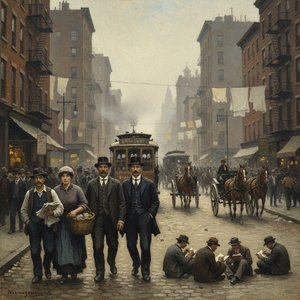
The Ashcan School: Realism, Urban Life & the Democratization of American Art
Explore the revolutionary Ashcan School! Discover how artists like Henri & Sloan challenged tradition with gritty realism, capturing urban life in early 20th-century America. Learn about their impact on American art history.
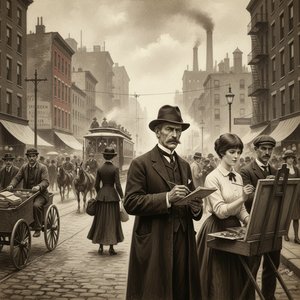
Robert Henri & the Spirit of American Realism: A Legacy of Urban Life and Artistic Independence
Explore the life & legacy of Robert Henri, a pivotal figure in American Realism. Discover his captivating portraits, influence on the Ashcan School, and enduring impact on art history. Learn more at OriginalUniqueArt.