

 プレビュー
プレビュー
 プリントを購入
 シェアする
シェアする シェアする
シェアする
 詳細を見る
詳細を見る

 ダウンロード
 似ている作品
 X線調査
X線調査 スライドショー
Coach Scene
 Romantic Realism
 1875
1875 41.0 x 66.0 cm
 Streetlife Museum
 詳細を見る
詳細を見る




































作品のオリジナル比率に合わせた、当店の規定サイズからお選びください。

特定のフレームやスペースに合わせて、ご希望のサイズをご入力いただけます。選択されたサイズが元の画像の比率と異なる場合、アートワークをトリミングするか、手描きで要素を追加して絵画を拡張いたします。デジタルモックアップ を制作し、制作開始前にご確認(承認)をいただきます。
画面上のプレビューは、実際のトリミングや拡張を正確に反映しているものではありません。最終的な構図は、モックアップによってのみ正確にご確認いただけます。
カスタムサイズもご利用いただけますが、元の比率を維持するためには、あらかじめ用意されたリストからサイズを選択することをお勧めいたします。
ご注文後、OriginalUniqueArt.com チームより詳細な指示をお送りするとともに、仕上がりイメージ(モックアップ)をご提供いたします。


 ガラスオプションは、110cm未満のサイズでのみご利用いただけます。

Coach Scene
複製技法
複製画のサイズ
-


合計金額
$ 350
作品解説
Artistic Style and Technique
Richard Dodd Widdas was a skilled artist known for his attention to detail and ability to capture the essence of everyday life. In the Coach Scene, he employed a range of techniques, including the use of warm colors and soft brushstrokes, to create a sense of warmth and tranquility. The painting's composition is well-balanced, with the horses and carriage positioned in a way that draws the viewer's eye through the scene. Key Features of the painting include:- The use of oil on canvas, which allows for rich, vibrant colors and textures
- The depiction of everyday life in a rural setting, showcasing the artist's ability to capture the mundane and make it beautiful
- The attention to detail, from the horses' harnesses to the thatched roof of the house
The Coach Scene is a beautiful example of Richard Dodd Widdas' skill as an artist and his ability to capture the essence of everyday life. As a handmade oil painting reproduction, it would make a stunning addition to any art collection. Visit https://OriginalUniqueArt.com to explore more artworks by Richard Dodd Widdas and other talented artists.
アーティストの略歴
Richard Dodd Widdas: A Cornish Master of Coastal Light
Richard Dodd Widdas (1826-1885) emerged as a significant figure in 19th-century British watercolor, particularly renowned for his evocative depictions of the Cornish coastline and its surrounding landscapes. Born into a modest family in Cornwall, Widdas’s artistic journey began not through formal training but through an innate fascination with the dramatic interplay of light and shadow upon the rugged cliffs and shimmering seas. His work stands as a testament to the power of observation and a deeply felt connection to his native land – a connection that profoundly shaped his artistic vision.
Widdas’s early life was marked by a strong religious upbringing, evident in his family's involvement with the local vicarage. This background instilled within him a sense of morality and a reverence for nature, themes frequently explored in his paintings. While he lacked traditional academic training, Widdas honed his skills through diligent practice and an apprenticeship under the established watercolorist, John Frederick Lewis, a master known for his atmospheric landscapes. Lewis’s influence is readily apparent in Widdas's early works – particularly his use of loose brushwork, vibrant color palettes, and a focus on capturing fleeting moments of light.
The Cornish Landscape: A Painter’s Obsession
Widdas’s artistic identity became inextricably linked with Cornwall. He spent much of his life residing in the region, immersing himself in its wild beauty and drawing inspiration from its diverse topography – from towering granite cliffs to sheltered coves and expansive sandy beaches. His paintings are not merely representations of these locations; they are imbued with a palpable sense of atmosphere and emotion. He masterfully captured the ever-changing moods of the Cornish weather, translating the dramatic shifts in light and cloud formations onto canvas with remarkable skill.
A recurring motif in Widdas’s work is the depiction of coastal scenes – often featuring fishing boats, solitary figures, or glimpses of distant villages. These compositions are characterized by a dynamic sense of movement, achieved through carefully rendered waves, billowing sails, and the suggestion of wind-swept grasses. His use of color is particularly noteworthy; he employed a rich, vibrant palette—deep blues and greens for the sea, warm ochres and browns for the cliffs – to create a sense of depth and luminosity. The Reverend W. Parker on a Bay Hunter with Hounds exemplifies this perfectly, showcasing his ability to capture both the grandeur of the landscape and the intimate details of human activity within it.
Technique and Style: Realism Infused with Romanticism
Widdas’s artistic style can be described as a synthesis of realism and romanticism. While he meticulously observed and accurately depicted the natural world, his paintings also possess an element of subjective interpretation – a willingness to imbue his scenes with emotion and drama. His brushwork is generally loose and expressive, allowing for a sense of spontaneity and immediacy. He favored layering colors to create depth and texture, often employing wet-on-wet techniques to achieve luminous effects.
The “Coach Scene,” a serene depiction of rural life in the Victorian era, demonstrates Widdas’s ability to seamlessly blend realistic detail with an atmospheric quality that evokes a sense of nostalgia. The composition is carefully balanced, and the use of light and shadow creates a strong sense of depth and perspective. His attention to detail—the intricate patterns on the coach, the expressions on the faces of the passengers—is remarkable, yet he never loses sight of the overall effect.
Legacy and Recognition
Despite not achieving widespread fame during his lifetime, Richard Dodd Widdas’s work has gained increasing recognition in recent decades. His paintings are now held in prestigious collections, including those at the Musée Richard Anacréon in Granville, France, and numerous private collections worldwide. His evocative depictions of the Cornish landscape continue to resonate with viewers, offering a glimpse into a bygone era and a profound appreciation for the beauty of nature.
Widdas’s legacy lies not only in his artistic achievements but also in his unwavering dedication to capturing the spirit of his homeland. He stands as a testament to the power of observation, the importance of personal connection, and the enduring appeal of watercolor painting – a medium that allows artists to translate their deepest emotions onto canvas with remarkable subtlety and grace.

richard dodd widdas
1826 - 1885
基本情報
- Artistic Movement Or Style: Watercolor, Seascape
- Date Of Birth: 1826
- Date Of Death: 1885
- Full Name: Richard Dodd Widdas
- Nationality: British
- Notable Artworks:
- The Reverend W. Parker...
- Coach Scene
関連記事

The Enduring Legacy of Oil on Canvas: Technique, History & Aesthetic Impact
Explore the rich history & techniques of oil painting – from Renaissance masters to Impressionism. Discover pigments, layering methods, and why this timeless medium endures. Expert insights for artists & art enthusiasts.

Oil on Canvas: A Historical & Technical Exploration of a Timeless Artistic Medium
Explore the rich history & enduring techniques of oil painting on canvas. Discover the science behind its longevity, conservation practices, and contemporary relevance. Expert insights for art enthusiasts.

The Enduring Power of Painting: A Historical & Contemporary Exploration of Form and Emotion
Explore the rich history & enduring techniques of oil painting with OriginalUniqueArt. Discover masterpieces, learn about art collecting, and find authentic handmade reproductions crafted by skilled artists.

油彩のキャンバス:技法、歴史、そして現代の実践 - 古典美術愛好家へ
油彩の技法、歴史、巨匠たちの秘密を徹底解説。古典美術愛好家向けに、初期フランドル絵画から現代の実践まで深く掘り下げます。OriginalUniqueArtで高品質な複製画やカスタムオーダーも承ります。
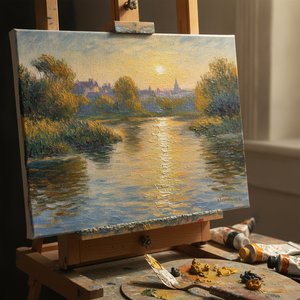
The Soul of Impressionism: Why Oil on Canvas Captures Eternal Light and Timeless Emotion
Discover the enchanting alchemy of Impressionism. Explore how the mastery of oil on canvas, through glazing and impasto, captures eternal light and emotion. Perfect for lovers of Monet and Van Gogh seeking the profound depth of hand-painted fine art.

