

 設置イメージを確認
 送る
送る シェア
シェア
 詳細情報
詳細情報 ガイドを表示

 画像をダウンロード
 似ている作品
 X線調査
X線調査 スライドショー
 統計情報
統計情報St Jerome
 Oil On Canvas
- WallArt
- Baroque Painting
 1635
1635 278.0 x 238.0 cm
 Kunsthistorisches Museum
 続きを読む
続きを読む
手描き油彩複製画
当社のアーティストが、お客様のご希望のサイズと額縁に合わせて、キャンバスに手描きで制作する油彩画です。 ( プリント版に切り替え デジタル画像販売へ切り替え)




P118B ¥10

P118H ¥10

P118W ¥10

P438Z ¥10

P508JH ¥12

P508YH ¥12

P805H ¥10

P805Z ¥10

P919BZ ¥10

P919G ¥10

P919XJ ¥10

P959ZH ¥10

P968JZ ¥12

W106C ¥8

W218G ¥10

W218JH ¥8

W218Y ¥10

W307PJ ¥10

W316G ¥10

W316PJ ¥8

W316Y ¥10

W398PJ ¥8

W4111J ¥10

W500HY ¥15

W500JH ¥15

W692G ¥12

W849H ¥8

W940BG ¥15

W953PJ ¥8




作品のオリジナル比率に合わせた、当店の規定サイズからお選びください。

フレームや壁のスペースに合わせて、ご希望の幅と高さを入力してください。本作品は手描きのため、異なる比率のサイズをご希望の場合、絵画の周囲を少し広げて描くか、あるいは端を少しカットして調整することが可能です。お客様のご要望に合わせます。制作を開始する前に、仕上がりを確認するためのデジタルモックアップをお送りいたします。このページに表示されている画像は完成品の実物ではなく、あくまでモックアップによるイメージです。
ご注文後、OriginalUniqueArt.com チームより詳細な指示をお送りするとともに、仕上がりイメージ(モックアップ)をご提供いたします。


 ガラスオプションは、110cm未満のサイズでのみご利用いただけます。

St Jerome
再現技法
複製画サイズ一覧
-


合計金額
¥ 47606
A Portrait of Contemplation: Guido Reni’s St. Jerome
Guido Reni's "St. Jerome," painted around 1635, is more than just a depiction of a revered biblical figure; it’s an immersive experience in solemnity and profound introspection. Rendered with the meticulous detail characteristic of the Baroque period, this oil on canvas work transports the viewer into the heart of St. Jerome's solitary existence – a life dedicated to prayer, translation, and wrestling with the weighty questions of faith and mortality. Reni, known as “Le Guide” (the Guide) for his masterful guidance in artistic technique, skillfully employs light and shadow to sculpt the figure’s form, creating an almost palpable sense of age and wisdom.
The painting's composition is deceptively simple yet profoundly effective. St. Jerome dominates the central space, his posture conveying a deep-seated contemplation. His hands, gnarled with age, rest upon a worn book – a symbol of his tireless work in translating the Holy Scriptures into Latin, a monumental task that cemented his place in Christian history. A stark skull rests at his feet, a potent reminder of human frailty and the inevitability of death, a visual anchor to the spiritual themes explored within the artwork. The background, rendered with subtle atmospheric perspective, suggests a vast, desolate landscape – mirroring the saint’s own internal journey.
Baroque Mastery: Technique and Detail
Reni's technical prowess is immediately evident in the painting’s exquisite detail. He masterfully utilizes *hatching* and *cross-hatching*, layering thin lines to build up tonal values and create a remarkable sense of texture, particularly in the folds of St. Jerome’s robe and the rough surface of his face. The artist's command of light is equally impressive; it falls dramatically across the figure, highlighting key features while casting deep shadows that emphasize his age and solitude. The use of *chiaroscuro* – the dramatic contrast between light and dark – not only adds depth but also imbues the scene with a sense of theatrical intensity.
The painting was executed in the manner of an engraving, utilizing metal plates and intricate carving techniques to achieve the precise lines that define the image. This method allowed for exceptional detail and clarity, hallmarks of Reni’s style. The careful rendering of St. Jerome's facial features – the furrowed brow, the deeply etched wrinkles, the piercing gaze – speaks volumes about his inner turmoil and unwavering devotion.
Symbolism and Spiritual Depth
Beyond its technical brilliance, “St. Jerome” is rich in symbolic meaning. The book represents not just the Bible but also the arduous process of intellectual and spiritual labor. The skull serves as a constant reminder of mortality and the importance of living a virtuous life. The cross, prominently displayed on St. Jerome’s arm, signifies his sacrifice and devotion to God. Furthermore, the saint's solitary pose reflects the contemplative nature of monastic life and the pursuit of inner peace.
The painting resonates with themes of repentance, faith, and the struggle between earthly desires and spiritual aspirations – core tenets of Christian theology. Reni’s portrayal of St. Jerome is not simply a portrait; it's an invitation to contemplate one’s own relationship with faith and mortality, offering a timeless meditation on the human condition.
A Legacy of Elegance: Context and Influence
Guido Reni was a pivotal figure in the development of Baroque painting in Italy. His work exemplifies the period's emphasis on realism, dramatic composition, and emotional intensity. He drew inspiration from both classical antiquity and the works of his contemporaries, particularly the Carracci brothers, while forging his own distinctive style characterized by elegance, refinement, and a profound sense of spirituality.
“St. Jerome” stands as a testament to Reni’s artistic skill and his ability to imbue religious subjects with both intellectual depth and emotional resonance. Reproductions of this powerful image continue to captivate viewers today, offering a glimpse into the world of 17th-century Italian art and inviting us to contemplate the enduring themes of faith, mortality, and the human spirit.
よくあるご質問
「St Jerome」は、拡張現実(AR)でのプレビューが可能ですか?
対応するデバイスの拡張現実(AR)機能を使用し、作品のARプレビューページから、ご自身の壁にグイド・レーニ作「St Jerome」をプレビュー表示することができます。
グイド・レーニ作「St Jerome」の色使いは、作品の感情とどのように結びついているのでしょうか?
グイド・レーニ作「St Jerome」のNeutralsなパレットは、そのReflectiveな情緒的トーンと見事に調和しています。色彩は、作品が感情を伝えるための重要な要素の一つです。
私の部屋には、"St Jerome" のどのプリントサイズが適していますか?
Living Roomでは、St JeromeはMediumのプリントサイズでの展示をおすすめします。
アーティストについて
グイド・レーニの生涯と遺産
グイド・レーニ(1575年 - 1642年)は、バロック絵画を代表するイタリア人画家の一人です。彼はボローニャで生まれ、その卓越した技術と古典的な美意識によって、同時代の芸術界に大きな影響を与えました。レーニの作品は、宗教的テーマや神話的物語を扱い、感情の深さと洗練された表現が特徴です。彼の生涯は、イタリア各地での活動を通して展開され、ローマ、ナポリなどでも重要な足跡を残しました。
幼少期と教育
レーニは1575年にボローニャで、音楽家の家系に生まれました。幼い頃から芸術的な才能を示し、9歳にしてフランドルの画家ドニス・カルヴァルトのもとで絵画の修行を始めます。カルヴァルトの工房では、アルバーニやドメニコといった同世代の画家たちと共に古典主義に基づいた基礎を学びました。この時期の教育は、レーニの後の芸術的発展に大きな影響を与え、解剖学的な正確さや劇的な構図への関心を育みました。
芸術的キャリアと展開
レーニの芸術的キャリアは、ローマ、ナポリ、そして故郷のボローニャを含むイタリア各地で展開されました。初期の作品には、カルヴァルトやカラッチ兄弟の影響が見られ、解剖学的な正確さと劇的な構成が強調されていました。しかし、レーニはすぐに独自のスタイルを確立し、優雅な古典主義、洗練された技術、そして感情の深さが特徴となりました。彼はボローニャ派の中心人物となり、アカデミックな訓練と理想化された形態を重視する芸術家たちを率いました。
主な影響
- ドニス・カルヴァルト: レーニの最初の師であり、フランドルの絵画技術の基礎を学びました。
- カラッチ一族(アンニーバレ、アゴスティーノ、ルдовиコ): 古典芸術と解剖学の研究への彼らの影響は、レーニの芸術的発展に深く刻まれました。
- ラファエロ: レーニはラファエロの優雅さと調和のとれた構図を高く評価し、その影響は多くの作品に見られます。
主要な作品と芸術様式
レーニの作品群は、宗教画、神話的物語、そして寓意的な表現を含む幅広いテーマを網羅しています。彼の最も有名な作品には以下のようなものがあります。
- 太陽の戦車に乗るアポロン (アルベルティーナ美術館、ウィーン): バロック様式の習熟度を示すダイナミックなデッサンです。
- 聖ヤコブ大天使: 宗教的な熱意と人間の感情を捉える彼の才能を示しています。
- アタランテとヒッポメネス (カポディモンテ美術館、ナポリ): 優雅な人物描写と劇的なストーリーテリングが特徴の神話画です。
- 聖ヒエロニムス: 構図と感情の深さのバランスを巧みに表現した作品です。
- タランテッラ (カポディモンテ美術館、ナポリ): イタリア民俗舞踊文化への影響を示しています。
レーニのスタイルは、折衷的な古典主義と形容されることがよくあります。彼は古典芸術の精密さとバロック時代のダイナミズムと感情を融合させました。彼の人物は通常理想化されており、穏やかな美しさと優雅な動きを持っています。
歴史的意義と遺産
グイド・レーニは、イタリアにおける後期バロック様式の形成において重要な役割を果たしました。彼は洗練された技術、優雅な構図、そして感情の深さによって、世代を超えて多くの芸術家に影響を与えました。彼の作品は、ナポリのカポディモンテ美術館をはじめとする世界中の著名な博物館に所蔵されています。レーニの遺産は絵画にとどまらず、彼はまた詩人であり、当時の尊敬された知識人でもありました。
彼の芸術は今日でも多くのアーティストや美術愛好家を魅了し続けており、17世紀で最も重要な画家の一人としての地位を確固たるものとしています。彼の影響は、その優雅さと感情的な力を模倣しようとした後続のバロック様式の芸術家たちに見られます。
死
グイド・レーニは1642年にボローニャで亡くなりましたが、彼が残した豊かな芸術的遺産は、今日でも多くの人々に感動を与え続けています。彼の作品は時代を超えて愛され、その美しさと深さは、これからも多くの人々を魅了することでしょう。

グイド・レーニ
1575 - 1642 , イタリア
アーティスト情報
- Artistic Movement Or Style: バロック絵画、ボロネーゼ派
- Artists Who Influenced This Artist:
- デニス・カルヴァート
- カラッチ家
- Date Of Birth: 1575年
- Date Of Death: 1642年
- Full Name: グイド・レーニ
- Nationality: イタリア人
- Notable Artworks (List Of Titles):
- アポロンの太陽戦車
- 聖ヤコブ大天使
- アタランテとヒッポメネス
- Place Of Birth (City And Country): ボローニャ、イタリア
関連記事
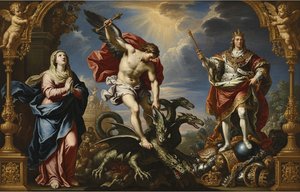
The Dramatic Flourish: Exploring Themes of Power, Faith & Emotion in Baroque Artworks
Explore the dramatic world of Baroque art! Discover masters like Zurbarán & the powerful influence of religious zeal on painting techniques. Expert insights for collectors and enthusiasts.

The Dramatic Flourish: Exploring the Baroque Movement's Enduring Legacy in Art History
Explore the dramatic world of Baroque art! Discover iconic artists like Caravaggio & Rubens, defining techniques, and its lasting impact on art history. Expert insights for collectors & enthusiasts at OriginalUniqueArt.

The Enduring Power of Painting: A Historical & Contemporary Exploration of Form and Emotion
Explore the rich history & enduring techniques of oil painting with OriginalUniqueArt. Discover masterpieces, learn about art collecting, and find authentic handmade reproductions crafted by skilled artists.
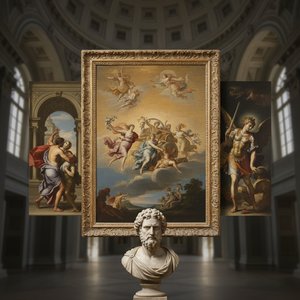
Guido Reni: A Study in Baroque Classicism & Artistic Perfection
Explore the life & work of Guido Reni, a master of Baroque classicism. Discover his iconic religious & mythological paintings, and understand his enduring influence on art history. Expert analysis for collectors.

バロックのドラマ:現代のインテリアに壮麗さと情感を取り込む
バロック様式の歴史、絵画、家具の魅力をご紹介。OriginalUniqueArtでは、高品質な油絵複製やカスタムポートレートをご提供し、現代のインテリアに壮麗さと情感を取り入れます。アートコンサルテーションも承ります。

