設置イメージを確認
 送る
送る シェア
シェア
 詳細情報
詳細情報 ガイドを表示

 画像をダウンロード
 似ている作品
 X線調査
X線調査 スライドショー
 統計情報
統計情報The tree of knowledge
 Oil On Canvas
- WallArt
- Surrealism
 1929
1929- Early Medieval
 41.0 x 27.0 cm
 続きを読む
続きを読む
このページに掲載されている作品は著作権法によって保護されており、当社の許可なく同一の複製物を制作または販売することは法律で禁じられています。この保護は、以下のような国際条約に基づき執行されます。 ベルヌ条約 および、以下の条項に定められたものを含む各国の法律により、 米国著作権法 第17編。
この手法は、著作権で保護された作品の複製や複写を伴わないため、著作権法に完全に準拠しています。これは単なる模倣ではなく、創造的な再解釈です。元の作品からインスピレーションを受けつつも、それとは異なる、全く新しい絵画を生み出すものです。
ジークレー/アートプリント
スピーディーな制作と多彩な仕上げオプションが魅力の、ミュージアムクオリティなジークレー・キャンバスプリント。 ( 手描きの複製画を注文する デジタル画像販売へ切り替え)




P118B ¥10

P118H ¥10

P118W ¥10

P438Z ¥10

P508JH ¥12

P508YH ¥12

P805H ¥10

P805Z ¥10

P919BZ ¥10

P919G ¥10

P919XJ ¥10

P959ZH ¥10

P968JZ ¥12

W106C ¥8

W218G ¥10

W218JH ¥8

W218Y ¥10

W307PJ ¥10

W316G ¥10

W316PJ ¥8

W316Y ¥10

W398PJ ¥8

W4111J ¥10

W500HY ¥15

W500JH ¥15

W692G ¥12

W849H ¥8

W940BG ¥15

W953PJ ¥8




作品のオリジナル比率に合わせた、当店の規定サイズからお選びください。

額縁や壁のスペースに合わせて、ご希望の幅と高さを入力してください。プリントはカットすることは可能ですが、元の画像より大きくすることはできないため、異なる比率のサイズを選択された場合は、画像の一部が欠けることになります。印刷を開始する前に、内容を確認していただくためのデジタルモックアップをお送りいたします。このページに表示されている画像は、実際のカット後の状態を示すものではありません。実際の仕上がりはモックアップにてご確認ください。


 ガラスオプションは、110cm未満のサイズでのみご利用いただけます。

The tree of knowledge
ジークレー/アートプリント
複製画サイズ一覧
-


合計金額
¥ 12596
René Magritte’s Enigmatic “The Tree of Knowledge” – A Portal to the Subconscious
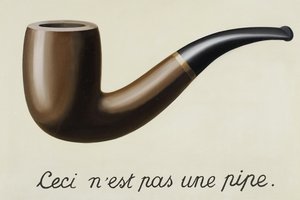
René Magritte's "The Tree of Knowledge," painted in 1929, isn’t merely a depiction of an image; it’s a carefully constructed invitation into the realm of dreams and the unsettling beauty of the subconscious. This seminal work from the heart of Surrealism embodies Magritte’s signature style – a deliberate disruption of reality designed to provoke contemplation and challenge our assumptions about perception. The painting immediately arrests the eye with its stark simplicity: a hazy, amorphous white form dominates the canvas, resembling both a cloud and a vaguely human silhouette. Within this ethereal shape reside two enigmatic words, “sabre” (sword) and “cheval” (horse), rendered in bold black lettering, creating an immediate tension between the familiar and the utterly bizarre.
The painting’s foundation is a muted blue background, subtly layered to suggest depth without relying on traditional perspective. Beneath this, a cylindrical grey form anchors the composition, providing a grounding element that contrasts sharply with the floating, dreamlike quality of the central figure. This juxtaposition—the solid and the ephemeral—is characteristic of Magritte's approach: he frequently placed ordinary objects within illogical contexts to expose the inherent strangeness of our visual experience. The deliberate lack of detail, the smooth, almost porcelain-like texture of the forms, contributes to a sense of detachment, as if we’re observing a scene from a half-remembered dream.
Decoding Symbolism and Myth
“The Tree of Knowledge” is rich with symbolic resonance, drawing heavily on the biblical narrative of Adam and Eve. The painting directly references the “Tree of Knowledge of Good and Evil,” a central motif in Genesis, representing the forbidden fruit that led to humanity’s expulsion from paradise. However, Magritte doesn't offer a straightforward illustration; instead, he presents a fragmented, abstracted version of this foundational myth. The words "sabre" and "cheval," seemingly unrelated, can be interpreted as symbols of power (the sword) and movement/warfare (the horse), suggesting the consequences of transgression – conflict, loss, and the inherent duality within human nature.
Interestingly, Magritte’s work also echoes ancient myths surrounding the tree of knowledge in other cultures. As research reveals, scholars have proposed various interpretations, including associations with wisdom, sexuality, or even a representation of the fundamental elements of existence – matter, life, mind and culture. The painting's ambiguity deliberately resists a single, definitive meaning, inviting viewers to project their own experiences and anxieties onto the scene.
Technique and Artistic Process
Magritte’s masterful execution lies in his meticulous attention to detail despite the overall dreamlike quality of the work. “The Tree of Knowledge” was likely created using oil paint on canvas, a medium that allowed him to achieve the smooth, almost polished surfaces characteristic of his style. The absence of visible brushstrokes—no impasto or textural variation—further enhances the painting’s unsettling effect, creating an illusion of perfect stillness and timelessness. This technique contributes to the feeling that we are witnessing a frozen moment in a surreal landscape.
The color palette is deliberately restrained – primarily blues, whites, blacks, and grays – reinforcing the sense of detachment and emphasizing the painting’s symbolic weight. The muted tones create an atmosphere of quiet contemplation, inviting viewers to linger and ponder the hidden meanings within the composition. It's a testament to Magritte's ability to evoke profound emotion through deceptively simple means.
A Legacy of Surrealist Vision
“The Tree of Knowledge” stands as a cornerstone of Surrealism, embodying the movement’s core principles of challenging conventional reality and exploring the depths of the unconscious mind. Magritte's work continues to resonate with audiences today because it taps into universal anxieties about knowledge, morality, and the limitations of human perception. The painting’s enduring appeal lies in its ability to simultaneously fascinate and unsettle, prompting us to question our own assumptions about the world around us. Reproductions of this iconic artwork offer a tangible connection to one of the 20th century's most influential artists – a portal into a world where logic yields to imagination.
よくあるご質問
マグリット作「The tree of knowledge」は、どのような空間に飾るのがおすすめですか?
「The tree of knowledge」の複製画は、Living Roomに美しく調和します。
マグリット作「The tree of knowledge」の解説ページはありますか?
マグリット作「The tree of knowledge」には、ガイドページをご用意しています。これは、学生や教室での学習用に設計された、印刷可能な作品解説シートです。
「The tree of knowledge」を手がけたアーティストは誰ですか?
「The tree of knowledge」はマグリットの作品とされています。
アーティストについて
ルネ・マグリット:日常に潜む謎と、現実を揺さぶる視覚的パラドックス
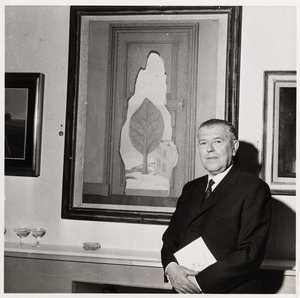
1898年11月21日、ベルギーのレシーヌで生まれたルネ・マグリットは、20世紀美術史における最も重要なシュルレアリストの一人として、その名を刻みました。幼少期のトラウマ的な出来事——母親の自殺——は、彼の芸術的探求に深く影を落とし、隠された現実、喪失感、そして見えないものへの執着というテーマを作品全体に織り込みました。マグリットの初期は印象派の影響を受けましたが、すぐに独自の視覚言語を確立し、日常的なオブジェクトを予期せぬ文脈で配置することで、私たちの認識と現実に対する固定観念を揺さぶるようになりました。
ジョルジュ・ド・キリコとの出会いとシュルレアリスムへの傾倒
マグリットの芸術的転換点となったのは、1922年にジョルジュ・ド・キリコの絵画『愛の歌』に出会った瞬間でした。ド・キリコの夢幻的な風景と不条理な組み合わせは、マグリットに新たな視覚的可能性を提示し、シュルレアリスムへの道を切り開きました。しかし、マグリットのシュルレアリスムは、他の多くの芸術家とは一線を画していました。彼は無意識からの自動的な表現や夢の解釈といった手法を避け、むしろ緻密な描写と論理的な構成を用いて、現実の矛盾を浮き彫りにすることに焦点を当てました。彼の作品は、まるで精密な写真のように見える一方で、その配置や組み合わせによって、見る者を混乱させ、思考を刺激するのです。
象徴主義と視覚的トリック:マグリット独自のシュルレアリスム
マグリットの作品における象徴性は、単なる装飾ではなく、彼の哲学的な探求の中心です。パイプが「これはパイプではありません」と宣言する『イメージの裏切り』は、最も有名な例の一つであり、表現と現実の関係について深く考えさせられます。また、『愛人たち』に見られるベールで顔を覆われた人物は、隠蔽、秘密、そして人間関係における不可解さを暗示しています。マグリットは、日常的なオブジェクトを組み合わせることで、視覚的トリックを生み出し、私たちの認識を欺きます。『時の停止』では、機関車が壁を突き破り、時間と空間の概念を混乱させます。これらの作品は、単なる奇抜なイメージではなく、現実の本質に対するマグリットの深い問いかけなのです。
晩年と遺産:シュルレアリスムを超えた影響力
マグリットは生涯を通じて、自身の芸術的探求を深め続けました。1960年代には、反復や錯覚、そして言語の力をテーマにした作品を発表し、その表現はますます洗練されていきました。1967年8月15日、マグリットは68歳でこの世を去りましたが、彼の遺産は美術界に深く刻まれています。ポップアート、ミニマリズム、そしてコンセプチュアルアートなど、20世紀の様々な芸術運動に影響を与え、現代においても多くのアーティストにインスピレーションを与え続けています。現在では、ブリュッセルの王立美術館内にマグリット博物館が設立され、彼の作品を包括的に展示しています。ルネ・マグリットは、日常の中に潜む謎を解き明かし、現実の境界線を揺さぶる視覚的パラドックスを通して、私たちに新たな視点を与え続けているのです。
主要な作品
- イメージの裏切り (Ceci n'est pas une pipe): 表現と現実の関係を問いかける象徴的な作品。
- 愛人たち (Les Amants): 隠蔽、秘密、そして人間関係における不可解さを暗示する作品。
- 時の停止 (Time Transfixed): 時間と空間の概念を混乱させる視覚的トリックが特徴的な作品。
- 人間の状態 (The Human Condition): 表現と現実の境界線を曖昧にする作品。
マグリット
1898 - 1967 , ベルギー
アーティスト情報
- Artistic Movement Or Style: Surrealism
- Artists Who Influenced This Artist: ['Giorgio de Chirico']
- Date Of Birth: November 21, 1898
- Date Of Death: August 15, 1967
- Full Name: René François Ghislain Magritte
- Nationality: Belgian
- Notable Artworks:
- Les Amants
- The Treachery of Images
- Time Transfixed
- Place Of Birth: Lessines, Belgium
関連記事

The Treachery of Images: Decoding René Magritte’s Surrealist Vision and the Paradox of Representation
Delve into the profound mysteries of René Magritte’s Surrealism. Explore an expert analysis of 'The Treachery of Images,' decoding the philosophical paradoxes and visual subversions that redefined modern art history for collectors and connoisseurs alike.
The Treachery of Images: Decoding René Magritte’s Surrealist Philosophy and the Paradox of Representation
Explore the profound mystery of René Magritte’s 'The Treachery of Images.' Dive into an expert analysis of his Surrealist philosophy, the paradox of representation, and how he challenged reality through the interplay of language and visual perception.

Arboreal Echoes: A Historical & Artistic Exploration of Trees in Painting
Explore the rich history of trees in painting! Discover symbolism, Romantic masterpieces by Caspar David Friedrich & beyond. A curated journey for art enthusiasts.
Arboreal Echoes: A Historical & Artistic Exploration of Trees in Painting
Explore the rich history of trees in painting! Discover symbolism, Romantic masterpieces by Caspar David Friedrich & beyond. A curated journey for art enthusiasts.
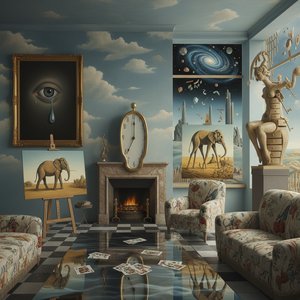
至高の芸術:シュルレアリスムを象徴する10選 - 鑑賞と空間演出への誘い
ダリ、マグリット…シュルレアリスムを代表する10選を紐解く。夢と無意識の世界へ誘う傑作の裏側を徹底解説。空間に彩りを添える、至高のアートプリントを見つけませんか?OriginalUniqueArt.comでコレクションを探索しよう。