 プレビュー
プレビュー
 プリントを購入
 シェアする
シェアする シェアする
シェアする
 詳細を見る
詳細を見る

 ダウンロード
 似ている作品
 X線調査
X線調査 スライドショー
The happy donor


 詳細を見る
詳細を見る




P118B $10

P118H $10

P118W $10

P438Z $10

P508JH $12

P508YH $12

P805H $10

P805Z $10

P919BZ $10

P919G $10

P919XJ $10

P959ZH $10

P968JZ $12

W106C $8

W218G $10

W218JH $8

W218Y $10

W307PJ $10

W316G $10

W316PJ $8

W316Y $10

W398PJ $8

W4111J $10

W500HY $15

W500JH $15

W692G $12

W849H $8

W940BG $15

W953PJ $8




作品のオリジナル比率に合わせた、当店の規定サイズからお選びください。

特定のフレームやスペースに合わせて、ご希望のサイズをご入力いただけます。選択されたサイズが元の画像の比率と異なる場合、アートワークをトリミングするか、手描きで要素を追加して絵画を拡張いたします。デジタルモックアップ を制作し、制作開始前にご確認(承認)をいただきます。
画面上のプレビューは、実際のトリミングや拡張を正確に反映しているものではありません。最終的な構図は、モックアップによってのみ正確にご確認いただけます。
カスタムサイズもご利用いただけますが、元の比率を維持するためには、あらかじめ用意されたリストからサイズを選択することをお勧めいたします。
ご注文後、OriginalUniqueArt.com チームより詳細な指示をお送りするとともに、仕上がりイメージ(モックアップ)をご提供いたします。


 ガラスオプションは、110cm未満のサイズでのみご利用いただけます。

The happy donor
複製技法
複製画のサイズ
-


合計金額
$ 300
作品解説
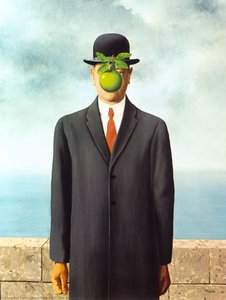
René Magritte’s ‘The Happy Donor’: A Surrealist Exploration of Identity and Perception
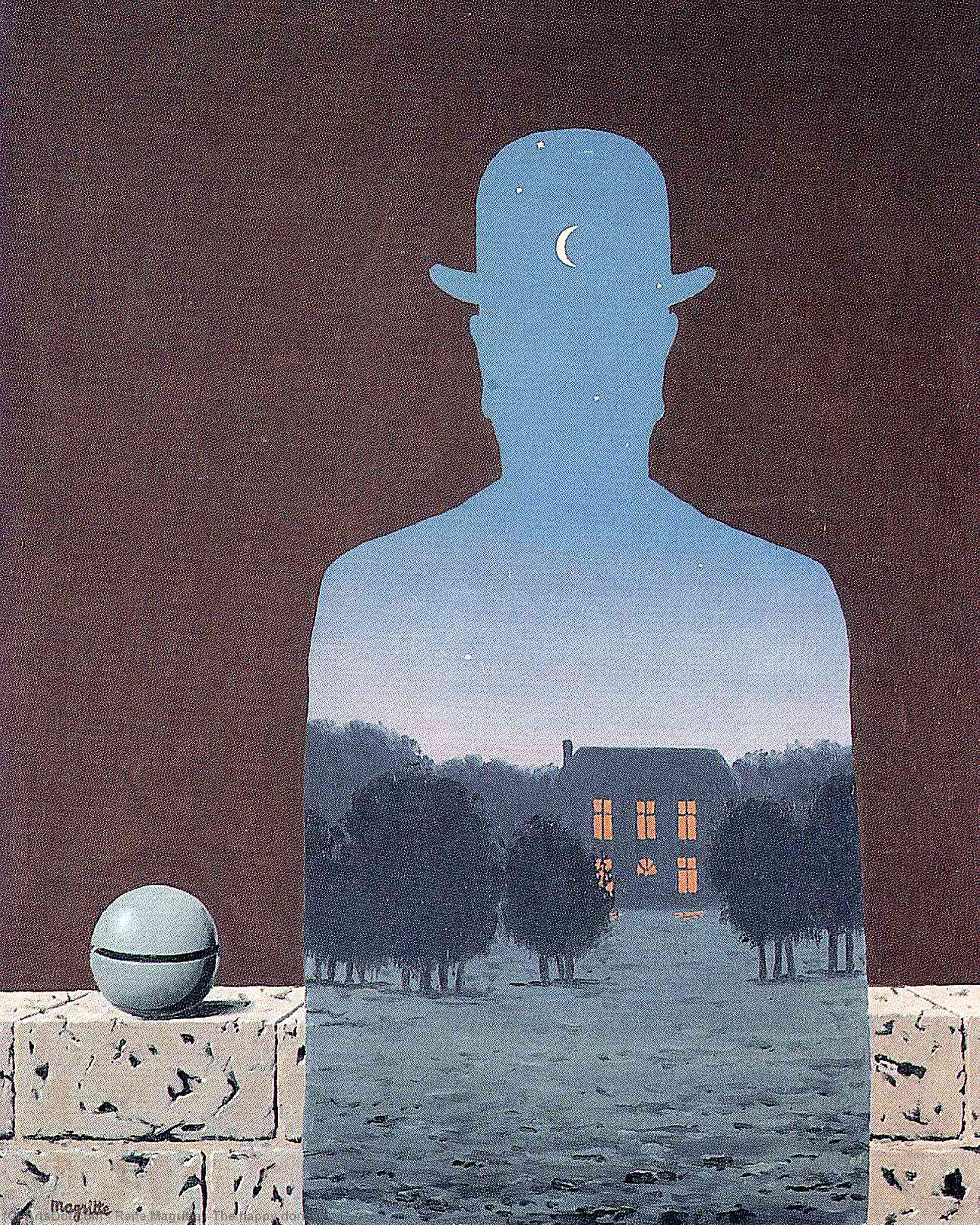
René Magritte's “The Happy Donor,” completed in 1966, stands as a quintessential example of Surrealism—a movement that sought to liberate the imagination from rational constraints and delve into the subconscious mind. Painted shortly before Magritte’s untimely death from cancer, this deceptively simple image encapsulates his signature preoccupation with challenging viewers' assumptions about reality and exploring the complexities of human experience. It resides in the Musée d’Ixelles in Brussels, Belgium, offering visitors a glimpse into the artist’s profound artistic vision.- Subject Matter: The painting depicts a man dressed in a bowler hat standing before a house at night. Notably absent is any visible face; instead, the figure's outline is filled with an idyllic garden scene—a deliberate juxtaposition designed to disrupt conventional portraiture and invite contemplation about what lies beneath appearances.
- Style: Magritte’s style aligns perfectly with Surrealist principles. He eschewed realistic representation in favor of dreamlike imagery, employing flattened perspectives and muted colors to create a sense of unease and disorientation. The overall aesthetic is characterized by an unsettling calmness that belies the underlying psychological tension.
- Technique: Magritte utilized oil paint on canvas—a technique he favored throughout his career—to achieve a smooth surface finish and subtle tonal variations. His meticulous brushwork contributes to the painting’s understated elegance, emphasizing precision while simultaneously concealing deeper meanings.
Historical Context & Surrealist Influences
Magritte's artistic journey began in Belgium during the interwar years, influenced by movements like Dada and Futurism. He embraced Surrealism after encountering Giorgio de Chirico’s “The Song of Love,” which profoundly impacted his creative sensibilities. Surrealists aimed to tap into the irrational forces of the unconscious mind, rejecting logic and reason as tools for artistic expression. Magritte's work reflects this ethos by presenting familiar objects in incongruous settings—a tactic that echoes De Chirico’s pioneering use of unsettling juxtapositions to provoke thought and emotion. The artist was deeply affected by the trauma of his mother’s suicide, which subtly permeated his oeuvre through recurring motifs of veiled figures and hidden realities.Symbolism & Emotional Resonance
“The Happy Donor” is laden with symbolic significance. The bowler hat—a commonplace item—represents conformity and societal expectations, while the garden scene symbolizes fertility and renewal. However, the most striking element is the obscured face; this deliberate omission underscores Magritte’s fascination with concealing identity and questioning perception. It prompts viewers to consider what is visible versus what remains unseen—a central theme in Surrealist art. The painting evokes a feeling of melancholy and introspection, inviting contemplation about the nature of consciousness and the elusive boundaries between dream and reality.Legacy & Influence
Magritte’s influence extends far beyond the Surrealist movement itself. His innovative approach to visual representation has resonated with artists across genres—from Pop Art to Minimalism—demonstrating the enduring power of his artistic vision. Artists like David Delfín have drawn inspiration from “The Happy Donor,” utilizing its imagery in fashion collections and films, highlighting Magritte’s ability to transcend stylistic boundaries and communicate profound ideas through deceptively simple forms. Ultimately, René Magritte's masterpiece continues to captivate audiences worldwide, cementing his place as one of the most iconic figures in 20th-century art.アーティストの略歴
ルネ・マグリット:日常に潜む謎と、現実を揺さぶる視覚的パラドックス
1898年11月21日、ベルギーのレシーヌで生まれたルネ・マグリットは、20世紀美術史における最も重要なシュルレアリストの一人として、その名を刻みました。幼少期のトラウマ的な出来事——母親の自殺——は、彼の芸術的探求に深く影を落とし、隠された現実、喪失感、そして見えないものへの執着というテーマを作品全体に織り込みました。マグリットの初期は印象派の影響を受けましたが、すぐに独自の視覚言語を確立し、日常的なオブジェクトを予期せぬ文脈で配置することで、私たちの認識と現実に対する固定観念を揺さぶるようになりました。
ジョルジュ・ド・キリコとの出会いとシュルレアリスムへの傾倒
マグリットの芸術的転換点となったのは、1922年にジョルジュ・ド・キリコの絵画『愛の歌』に出会った瞬間でした。ド・キリコの夢幻的な風景と不条理な組み合わせは、マグリットに新たな視覚的可能性を提示し、シュルレアリスムへの道を切り開きました。しかし、マグリットのシュルレアリスムは、他の多くの芸術家とは一線を画していました。彼は無意識からの自動的な表現や夢の解釈といった手法を避け、むしろ緻密な描写と論理的な構成を用いて、現実の矛盾を浮き彫りにすることに焦点を当てました。彼の作品は、まるで精密な写真のように見える一方で、その配置や組み合わせによって、見る者を混乱させ、思考を刺激するのです。
象徴主義と視覚的トリック:マグリット独自のシュルレアリスム
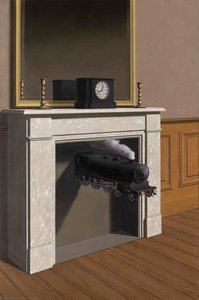
マグリットの作品における象徴性は、単なる装飾ではなく、彼の哲学的な探求の中心です。パイプが「これはパイプではありません」と宣言する『イメージの裏切り』は、最も有名な例の一つであり、表現と現実の関係について深く考えさせられます。また、『愛人たち』に見られるベールで顔を覆われた人物は、隠蔽、秘密、そして人間関係における不可解さを暗示しています。マグリットは、日常的なオブジェクトを組み合わせることで、視覚的トリックを生み出し、私たちの認識を欺きます。『時の停止』では、機関車が壁を突き破り、時間と空間の概念を混乱させます。これらの作品は、単なる奇抜なイメージではなく、現実の本質に対するマグリットの深い問いかけなのです。
晩年と遺産:シュルレアリスムを超えた影響力
マグリットは生涯を通じて、自身の芸術的探求を深め続けました。1960年代には、反復や錯覚、そして言語の力をテーマにした作品を発表し、その表現はますます洗練されていきました。1967年8月15日、マグリットは68歳でこの世を去りましたが、彼の遺産は美術界に深く刻まれています。ポップアート、ミニマリズム、そしてコンセプチュアルアートなど、20世紀の様々な芸術運動に影響を与え、現代においても多くのアーティストにインスピレーションを与え続けています。現在では、ブリュッセルの王立美術館内にマグリット博物館が設立され、彼の作品を包括的に展示しています。ルネ・マグリットは、日常の中に潜む謎を解き明かし、現実の境界線を揺さぶる視覚的パラドックスを通して、私たちに新たな視点を与え続けているのです。
主要な作品
- イメージの裏切り (Ceci n'est pas une pipe): 表現と現実の関係を問いかける象徴的な作品。
- 愛人たち (Les Amants): 隠蔽、秘密、そして人間関係における不可解さを暗示する作品。
- 時の停止 (Time Transfixed): 時間と空間の概念を混乱させる視覚的トリックが特徴的な作品。
- 人間の状態 (The Human Condition): 表現と現実の境界線を曖昧にする作品。

マグリット
1898 - 1967 , ベルギー
基本情報
- Artistic Movement Or Style: Surrealism
- Artists Who Influenced This Artist: ['Giorgio de Chirico']
- Date Of Birth: November 21, 1898
- Date Of Death: August 15, 1967
- Full Name: René François Ghislain Magritte
- Nationality: Belgian
- Notable Artworks:
- Les Amants
- The Treachery of Images
- Time Transfixed
- Place Of Birth: Lessines, Belgium
関連記事
ルネ・マグリット傑作25選:幻想と現実の交差点|OriginalUniqueArt
ルネ・マグリット傑作25選。シュルレアリスムを代表するベルギー絵画の巨匠、その幻想的な世界と隠されたメッセージを紐解きます。OriginalUniqueArtで高品質なアートプリントや複製画を見つけ、お部屋に名画の感動を。今すぐコレクションをご覧ください。
至高の芸術:シュルレアリスムを象徴する10選 - 鑑賞と空間演出への誘い
ダリ、マグリット…シュルレアリスムを代表する10選を紐解く。夢と無意識の世界へ誘う傑作の裏側を徹底解説。空間に彩りを添える、至高のアートプリントを見つけませんか?OriginalUniqueArt.comでコレクションを探索しよう。
The Enigma of Reality: Exploring René Magritte's Subversion of Perception & the Poetics of Everyday Life
Explore the captivating world of René Magritte! Delve into his surrealist masterpieces, challenging perceptions of reality & identity. Discover the philosophical depth and lasting influence of this Belgian master.
The Treachery of Images: Decoding René Magritte’s Surrealist Vision and the Paradox of Representation
Delve into the profound mysteries of René Magritte’s Surrealism. Explore an expert analysis of 'The Treachery of Images,' decoding the philosophical paradoxes and visual subversions that redefined modern art history for collectors and connoisseurs alike.
Dreamscapes & Disrupted Realities: Exploring Surrealism's Enduring Influence
Explore the fascinating world of Surrealism! Discover its origins, key artists like Dalí & Magritte, and enduring influence on art & culture. Expert insights & high-quality reproductions at OriginalUniqueArt.