設置イメージを確認
 送る
送る シェア
シェア
 詳細情報
詳細情報 ガイドを表示

 画像をダウンロード
 似ている作品
 X線調査
X線調査 スライドショー
 統計情報
統計情報L'Aiguillon - Envy

 続きを読む
続きを読む
このページに掲載されている作品は著作権法によって保護されており、当社の許可なく同一の複製物を制作または販売することは法律で禁じられています。この保護は、以下のような国際条約に基づき執行されます。 ベルヌ条約 および、以下の条項に定められたものを含む各国の法律により、 米国著作権法 第17編。
敬意を払った法的な代替手段として、私たちはオリジナルにインスピレーションを与えられた、カスタムの手描きアートワークを提供しています。私たちの熟練したプロのアーティストは、元の作品が持つスタイル、情緒、そして芸術的なエッセンスを注意深く研究し、独自の創作物でありながら、同じ感性を呼び起こすような、新しくユニークな作品を作り上げます。
この手法は、著作権で保護された作品の複製や複写を伴わないため、著作権法に完全に準拠しています。これは単なる模倣ではなく、創造的な再解釈です。元の作品からインスピレーションを受けつつも、それとは異なる、全く新しい絵画を生み出すものです。
手描き油彩複製画
当社のアーティストが、お客様のご希望のサイズと額縁に合わせて、キャンバスに手描きで制作する油彩画です。 ( プリント版に切り替え デジタル画像販売へ切り替え)




































作品のオリジナル比率に合わせた、当店の規定サイズからお選びください。

フレームや壁のスペースに合わせて、ご希望の幅と高さを入力してください。本作品は手描きのため、異なる比率のサイズをご希望の場合、絵画の周囲を少し広げて描くか、あるいは端を少しカットして調整することが可能です。お客様のご要望に合わせます。制作を開始する前に、仕上がりを確認するためのデジタルモックアップをお送りいたします。このページに表示されている画像は完成品の実物ではなく、あくまでモックアップによるイメージです。
ご注文後、OriginalUniqueArt.com チームより詳細な指示をお送りするとともに、仕上がりイメージ(モックアップ)をご提供いたします。


 ガラスオプションは、110cm未満のサイズでのみご利用いただけます。

L'Aiguillon - Envy
再現技法
複製画サイズ一覧
-


合計金額
¥ 47260
Exploring the Surreal Landscape of René Magritte’s “L’Aiguillon – Envy”
René Magritte’s “L’Aiguillon – Envy,” completed circa 1945, stands as a quintessential example of Surrealist artistry—a deceptively simple sketch that plunges viewers into a realm of psychological intrigue and unsettling beauty. More than just an image on paper; it's a carefully constructed puzzle designed to provoke contemplation about perception, desire, and the hidden anxieties lurking beneath the surface of consciousness. The artwork’s monochrome palette—primarily shades of grey—immediately establishes a mood of solemn introspection, mirroring the melancholic tone conveyed by Magritte’s masterful use of line work.A Study in Line and Form: Technique and Composition
The drawing's technique is deliberately restrained, prioritizing precision and tonal variation achieved through graphite pencil on paper. Thin, delicate lines delineate the figure—a woman viewed from behind—her hair, and the mirrored surface reflecting her gaze. These lines aren’t merely descriptive; they actively sculpt the image, creating a sense of depth and subtly hinting at underlying tensions. The organic shapes of the body and tail contribute to the sketch's fluidity, resisting rigid geometric forms typical of earlier artistic movements. Magritte eschews dramatic lighting or exaggerated perspective, opting instead for diffused illumination that enhances the artwork’s contemplative atmosphere. This understated approach underscores the artist’s commitment to conveying emotion through subtle nuances—a hallmark of Surrealist aesthetics.Symbolism Unveiled: The Tail and Mirror – Keys to Interpretation
The central element of “L’Aiguillon – Envy” is undoubtedly the tail extending from the woman's lower back, a fantastical appendage that disrupts the conventional representation of human anatomy. This symbol has been interpreted as representing repressed desires—the unconscious yearning for something unattainable—and perhaps most powerfully, envy itself. The mirror serves as another crucial visual motif, reflecting not only the woman’s physical appearance but also her inner self. Magritte famously questioned whether what we see is truly what exists, prompting viewers to consider the distortions inherent in perception and the illusion of control. The mirror symbolizes vanity, but crucially, it suggests that our reflection reveals truths hidden from conscious awareness.Historical Context: Surrealism’s Quest for Inner Reality
“L'Aiguillon – Envy” emerged during the height of Surrealist experimentation—a movement spearheaded by André Breton and fueled by psychoanalytic theories championed by Sigmund Freud. Surrealists sought to liberate creativity from rational constraints, tapping into the subconscious mind and exploring dreamlike imagery as pathways to artistic expression. Magritte’s work aligns perfectly with this ethos, rejecting representational accuracy in favor of conveying emotional resonance and challenging viewers' assumptions about reality. The artwork reflects a broader preoccupation with anxieties surrounding identity and desire—themes that resonated deeply within the intellectual landscape of post-war Europe.Emotional Resonance: A Portrait of Psychological Complexity
Ultimately, “L’Aiguillon – Envy” transcends mere visual depiction; it invites emotional engagement. Its quiet solemnity compels contemplation about hidden motivations and unspoken feelings. Magritte's masterful use of monochrome reinforces the artwork’s psychological depth, creating an image that lingers in the mind long after viewing—a testament to his enduring ability to capture the complexities of human experience within a deceptively simple framework. It is this profound exploration of inner turmoil combined with its striking visual style that secures “L’Aiguillon – Envy”'s place as one of Magritte’s most compelling and enigmatic masterpieces.よくあるご質問
「L'Aiguillon - Envy」は、マグリットの通常の作風を代表するものと言えるでしょうか?
「L'Aiguillon - Envy」はreflection, symbolism, fantasy, psychology, mirror, tail, monochromeを描いていますが、マグリットのこれまでのテーマとして記録されているのはdreamlike imagery, psychological exploration, symbolic representation, magritte’s signature style, surrealist aestheticsです。この二つを比較することで、本作が作家のいつもの主題とどのように関連しているかが明らかになります。
マグリット作「L'Aiguillon - Envy」の明るさはどのように感じられますか?
マグリット作「L'Aiguillon - Envy」の視覚的な明るさはbrilliantです。設置する空間の光の加減に合わせて調整することが可能です。
「L'Aiguillon - Envy」を特徴づける配色と主役となる色は何でしょうか?
「L'Aiguillon - Envy」は、White (#efebe8)を主軸としたMonochromeなパレットによって構成されています。
アーティストについて
ルネ・マグリット:日常に潜む謎と、現実を揺さぶる視覚的パラドックス
1898年11月21日、ベルギーのレシーヌで生まれたルネ・マグリットは、20世紀美術史における最も重要なシュルレアリストの一人として、その名を刻みました。幼少期のトラウマ的な出来事——母親の自殺——は、彼の芸術的探求に深く影を落とし、隠された現実、喪失感、そして見えないものへの執着というテーマを作品全体に織り込みました。マグリットの初期は印象派の影響を受けましたが、すぐに独自の視覚言語を確立し、日常的なオブジェクトを予期せぬ文脈で配置することで、私たちの認識と現実に対する固定観念を揺さぶるようになりました。
ジョルジュ・ド・キリコとの出会いとシュルレアリスムへの傾倒
マグリットの芸術的転換点となったのは、1922年にジョルジュ・ド・キリコの絵画『愛の歌』に出会った瞬間でした。ド・キリコの夢幻的な風景と不条理な組み合わせは、マグリットに新たな視覚的可能性を提示し、シュルレアリスムへの道を切り開きました。しかし、マグリットのシュルレアリスムは、他の多くの芸術家とは一線を画していました。彼は無意識からの自動的な表現や夢の解釈といった手法を避け、むしろ緻密な描写と論理的な構成を用いて、現実の矛盾を浮き彫りにすることに焦点を当てました。彼の作品は、まるで精密な写真のように見える一方で、その配置や組み合わせによって、見る者を混乱させ、思考を刺激するのです。
象徴主義と視覚的トリック:マグリット独自のシュルレアリスム
マグリットの作品における象徴性は、単なる装飾ではなく、彼の哲学的な探求の中心です。パイプが「これはパイプではありません」と宣言する『イメージの裏切り』は、最も有名な例の一つであり、表現と現実の関係について深く考えさせられます。また、『愛人たち』に見られるベールで顔を覆われた人物は、隠蔽、秘密、そして人間関係における不可解さを暗示しています。マグリットは、日常的なオブジェクトを組み合わせることで、視覚的トリックを生み出し、私たちの認識を欺きます。『時の停止』では、機関車が壁を突き破り、時間と空間の概念を混乱させます。これらの作品は、単なる奇抜なイメージではなく、現実の本質に対するマグリットの深い問いかけなのです。
晩年と遺産:シュルレアリスムを超えた影響力
マグリットは生涯を通じて、自身の芸術的探求を深め続けました。1960年代には、反復や錯覚、そして言語の力をテーマにした作品を発表し、その表現はますます洗練されていきました。1967年8月15日、マグリットは68歳でこの世を去りましたが、彼の遺産は美術界に深く刻まれています。ポップアート、ミニマリズム、そしてコンセプチュアルアートなど、20世紀の様々な芸術運動に影響を与え、現代においても多くのアーティストにインスピレーションを与え続けています。現在では、ブリュッセルの王立美術館内にマグリット博物館が設立され、彼の作品を包括的に展示しています。ルネ・マグリットは、日常の中に潜む謎を解き明かし、現実の境界線を揺さぶる視覚的パラドックスを通して、私たちに新たな視点を与え続けているのです。
主要な作品
- イメージの裏切り (Ceci n'est pas une pipe): 表現と現実の関係を問いかける象徴的な作品。
- 愛人たち (Les Amants): 隠蔽、秘密、そして人間関係における不可解さを暗示する作品。
- 時の停止 (Time Transfixed): 時間と空間の概念を混乱させる視覚的トリックが特徴的な作品。
- 人間の状態 (The Human Condition): 表現と現実の境界線を曖昧にする作品。
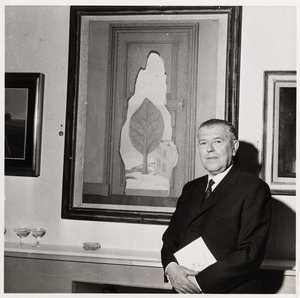
マグリット
1898 - 1967 , ベルギー
アーティスト情報
- Artistic Movement Or Style: Surrealism
- Artists Who Influenced This Artist: ['Giorgio de Chirico']
- Date Of Birth: November 21, 1898
- Date Of Death: August 15, 1967
- Full Name: René François Ghislain Magritte
- Nationality: Belgian
- Notable Artworks:
- Les Amants
- The Treachery of Images
- Time Transfixed
- Place Of Birth: Lessines, Belgium
関連記事

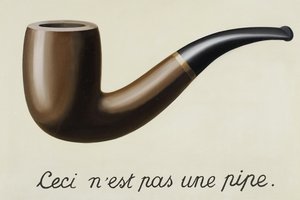
Beyond the Pipe: Unlocking the Surrealist Mystery of René Magritte
Explore the enigmatic world of René Magritte. From decoding 'The Treachery of Images' to understanding his surrealist mastery, discover how this Belgian icon challenges reality through profound, hand-painted art and timeless mystery.
The Nuances of Graphite: Exploring Emotional Depth & Technical Mastery in Pencil Drawing
Explore the captivating world of graphite drawing! Discover its rich history, master essential techniques like chiaroscuro, and learn how artists evoke emotion through this timeless medium. Expert insights for art enthusiasts.
The Eloquent Line: Exploring the Artistic Significance of Sketches Across Movements and Media
Explore the profound artistic significance of sketches throughout history. From Renaissance masters to modern innovators like Van Gogh & Guston, discover how these foundational works reveal technique, emotion, and vision. Learn more at OriginalUniqueArt.
The Alchemy of Graphite: An Expert Guide to Mastering Detail and Depth in Pencil Sketching
Unlock the secrets of graphite sketching with our expert guide for art students. Learn to master pencil grades, create realistic depth, and capture intricate textures through professional techniques designed to elevate your observational drawing skills.
The Power of Graphite: Mastering Depth, Texture, and Detail in the Art of Pencil Drawing
Explore the profound artistry of graphite drawing. Discover professional techniques for mastering depth, texture, and detail through a lens of art history, from classical sketches to modern masterpieces. Elevate your understanding of the pencil medium with our expert guide.