
 プレビュー
プレビュー
 プリントを購入
 シェアする
シェアする シェアする
シェアする
 詳細を見る
詳細を見る

 ダウンロード
 似ている作品
 X線調査
X線調査 スライドショー
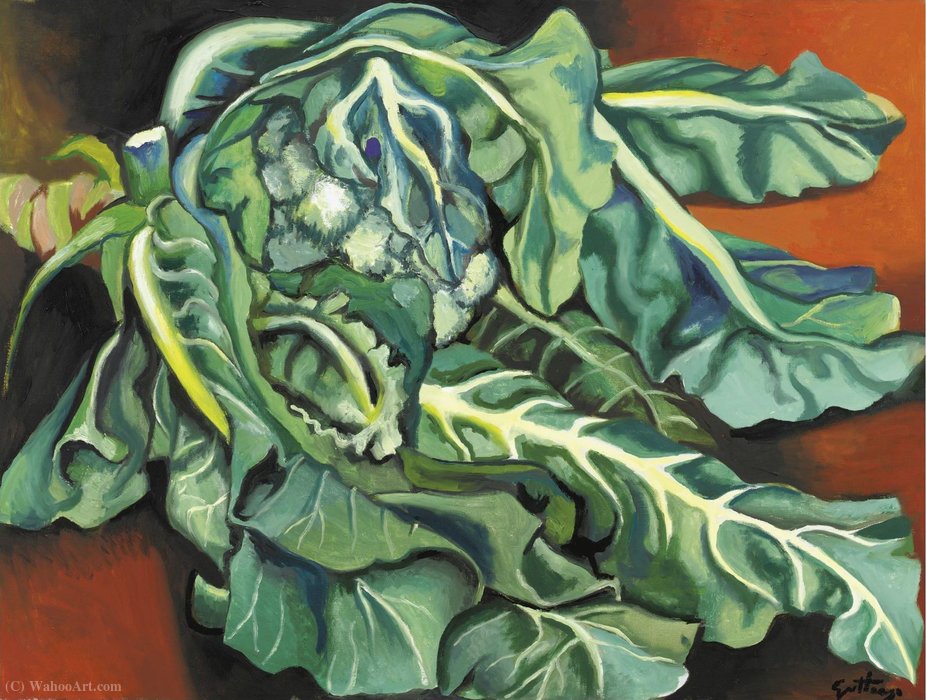
Untitled (773)
 詳細を見る
詳細を見る




































作品のオリジナル比率に合わせた、当店の規定サイズからお選びください。

特定のフレームやスペースに合わせて、ご希望のサイズをご入力いただけます。選択されたサイズが元の画像の比率と異なる場合、アートワークをトリミングするか、手描きで要素を追加して絵画を拡張いたします。デジタルモックアップ を制作し、制作開始前にご確認(承認)をいただきます。
画面上のプレビューは、実際のトリミングや拡張を正確に反映しているものではありません。最終的な構図は、モックアップによってのみ正確にご確認いただけます。
カスタムサイズもご利用いただけますが、元の比率を維持するためには、あらかじめ用意されたリストからサイズを選択することをお勧めいたします。
ご注文後、OriginalUniqueArt.com チームより詳細な指示をお送りするとともに、仕上がりイメージ(モックアップ)をご提供いたします。


 ガラスオプションは、110cm未満のサイズでのみご利用いただけます。

Untitled (773)
複製技法
複製画のサイズ
-


合計金額
$ 300
アーティストの略歴
The Visceral Soul of Sicilian Expressionism
Renato Guttuso stands as a monumental figure in the landscape of twentieth-century Italian art, a painter whose brush served as both a creative instrument and a political weapon. Born Aldo Renato Guttuso on December 26, 1911, in the sun-drenched town of Bagheria, Sicily, his life was inextricably linked to the turbulent socio-political currents of his era. From his earliest years, Guttuso possessed an eye for the raw textures of reality, a gift nurtured by his father, Gioacchino, an amateur watercolorist who instilled in him a profound respect for meticulous observation. This foundation allowed Guttuso to move beyond mere representation, developing a style that would eventually become synonymous with Sicilian Expressionism—a movement defined by its bold color palettes, dynamic brushstrokes, and an unflinching commitment to emotional honesty.
His artistic journey was never a solitary pursuit of aesthetics; rather, it was a continuous dialogue with the struggles of his people. While his early training in Rome during the 1930s exposed him to the formalist Novecento style favored by the Fascist establishment, Guttuly quickly found its rigid constraints suffocating. Instead, he sought refuge and inspiration in the avant-garde currents sweeping through Europe. By immersing himself in the works of Edvard Munch and Oskar Kokoschka, he embraced a more visceral, psychological approach to painting. His alignment with the Corrente movement marked a pivotal moment in his development, as he joined a group of intellectuals dedicated to purging art of rhetorical excess and reclaiming its power to reflect the raw, unvarnished truth of human existence.
Resistance, Reality, and the Canvas
The shadows of World War II cast a profound influence over Guttuso’s creative evolution. As Fascism tightened its grip on Italy, Guttuso did not retreat into the ivory tower of pure abstraction; instead, he took up arms. His active participation in the Italian partisan resistance against Mussolini’s regime infused his work with a sense of urgency and moral weight that would define his career. This period of struggle transformed his art into a medium for social realism, where the landscape of Sicily was not merely a scenic backdrop but a stage for the drama of human endurance and political upheaval. His masterpieces from this era, such as Flight from Etna (1938–39) and the hauntingly powerful Crucifixion (1941), utilize stark imagery to evoke the tension between life and death, oppression and liberation.
As his career progressed into the post-war years, Guttuso’s ability to weave together the personal and the political reached new heights. He became a master of capturing the vibrant, often chaotic essence of Sicilian life, most notably in works like La Vucciria (1974), which depicts the bustling, visceral energy of a famous Palermo market. His technique remained characterized by a heavy, tactile application of paint that gave his subjects a sculptural presence. Even in his later, more introspective works, such as the monochromatic and macabre Bucranium, shark jaw and black cloth against the sky (1984), one can sense the same preoccupation with the cycle of life, mortality, and the enduring weight of history that had driven his earlier, more explosive compositions.
A Legacy of Art and Activism
Guttuso’s significance extends far beyond the confines of the gallery. His life was a rare embodiment of the artist-citizen, a man who successfully navigated the highest echelons of political power without sacrificing his creative integrity. As a member of the Italian Communist Party, he served two terms in the Senate of the Republic between 1976 and 1983, bringing the same passion for justice to the halls of government that he brought to the canvas. This dual identity allowed him to remain a vital voice in the cultural discourse of Italy, ensuring that art remained deeply embedded in the social fabric of the nation.
The enduring impact of Renato Guttuso can be summarized through several key contributions to modern art:
- Synthesis of Styles: He successfully fused the traditions of European Expressionism and Surrealism with a uniquely Italian sense of social realism.
- Cultural Documentation: His paintings serve as essential visual chronicles of Sicilian life, capturing the landscapes, markets, and struggles of his homeland.
- Political Engagement: He redefined the role of the artist in the 20th century, proving that aesthetic excellence and political conviction could coexist to create a powerful, transformative art.
- Theatricality and Design: Beyond the canvas, his work in theatrical design expanded his expressive reach, bringing his dramatic vision to the performing arts.
When Guttuso passed away on January 18, 1987, he left behind a legacy that continues to resonate. His work remains a testament to the power of art to act as a mirror to society—reflecting not just our beauty and light, but our deepest shadows, our most profound struggles, and our unyielding hope for a more humanist future.

Renato Guttuso
1911 - 1987
基本情報
- Artistic Movement Or Style: Expressionism
- Artists Or Movements Influenced By This Artist: ['Neue Sachlichkeit']
- Artists Who Influenced This Artist:
- Georges Braque
- Pablo Picasso
- Date Of Birth: 1911
- Date Of Death: 1987
- Full Name: Renato Guttuso
- Nationality: Italian
- Notable Artworks:
- Flight from Etna
- Crucifixion
- La vucciria
- Place Of Birth: Bagheria, Sicily

