

 設置イメージを確認
 送る
送る シェア
シェア
 詳細情報
詳細情報 ガイドを表示

 画像をダウンロード
 似ている作品
 X線調査
X線調査 スライドショー
 統計情報
統計情報Self-portrait
 Oil On Canvas
- WallArt
- Baroque
 1632
1632- Renaissance
 64.0 x 47.0 cm
 ケルビングローブ美術館
 続きを読む
続きを読む
ジークレー/アートプリント
スピーディーな制作と多彩な仕上げオプションが魅力の、ミュージアムクオリティなジークレー・キャンバスプリント。 ( 手描きの複製画を注文する デジタル画像販売へ切り替え)




P118B ¥10

P118H ¥10

P118W ¥10

P438Z ¥10

P508JH ¥12

P508YH ¥12

P805H ¥10

P805Z ¥10

P919BZ ¥10

P919G ¥10

P919XJ ¥10

P959ZH ¥10

P968JZ ¥12

W106C ¥8

W218G ¥10

W218JH ¥8

W218Y ¥10

W307PJ ¥10

W316G ¥10

W316PJ ¥8

W316Y ¥10

W398PJ ¥8

W4111J ¥10

W500HY ¥15

W500JH ¥15

W692G ¥12

W849H ¥8

W940BG ¥15

W953PJ ¥8




作品のオリジナル比率に合わせた、当店の規定サイズからお選びください。

特定のフレームやスペースに合わせて、ご自身でサイズを指定することも可能です。選択されたサイズが元の画像の比率と一致しない場合、作品をトリミングするか、鏡面反射または単色での塗りつぶしによって画像を拡張いたします。制作を開始する前に、ご確認用のデジタルモックアップをお送りいたします。
画面上のプレビューには、実際のトリミングや拡張は反映されませんのでご注意ください。最終的な構図を正確に確認できるのは、モックアップのみとなります。
カスタムサイズも承っておりますが、元の比率を維持するためには、あらかじめ用意されたリストからサイズを選択することをお勧めいたします。


 ガラスオプションは、110cm未満のサイズでのみご利用いただけます。

Self-portrait
ジークレー/アートプリント
複製画サイズ一覧
-


合計金額
¥ 12283
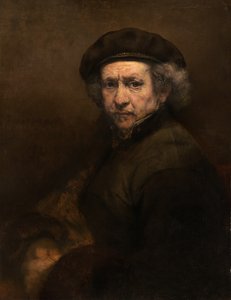
Self-Portrait from 1632: A Window Into Rembrandt’s Soul
Rembrandt van Rijn's Self-Portrait from 1632 stands as one of the most poignant and enduring images of the Dutch Golden Age, capturing not merely a likeness but an essence—a profound meditation on identity, aging, and artistic contemplation. More than just a depiction of a man in black attire, it’s a masterful exploration of psychological depth achieved through Rembrandt's unparalleled command of chiaroscuro, a technique that elevates the portrait beyond mere representation into a realm of emotional resonance. Located within the Glasgow Art Gallery and Museum, this oil on panel painting measures 64 x 47 cm—dimensions that convey both grandeur and intimacy simultaneously. The composition is deceptively simple: Rembrandt sits before a dark background, bathed in diffused light emanating from an unseen source, creating dramatic contrasts between illuminated flesh tones and shadowed recesses. This masterful use of light isn’t merely aesthetic; it serves as a conduit for conveying inner turmoil—a subtle suggestion of melancholy that speaks volumes about the artist's state of mind during this turbulent period of his life. The portrait itself is meticulously rendered with painstaking detail. Rembrandt’s gaze directs outwards, engaging the viewer in an unspoken dialogue—a gesture of vulnerability and self-awareness that distinguishes it from many portraits of its time. The inclusion of a black hat adorned with white lace adds formality to his appearance, yet beneath the surface lies a palpable sense of unease. His beard and mustache are rendered with remarkable accuracy, capturing the texture and contours of aging flesh—a visual reminder of mortality and the passage of time. The ruffled collar further emphasizes Rembrandt’s status as an artist, signaling both ambition and adherence to prevailing stylistic conventions.Context Within Rembrandt's Oeuvre: A Reflection of Artistic Evolution
Rembrandt produced numerous self-portraits throughout his career, each offering invaluable insights into his artistic development and personal experiences. This particular portrait marks a significant shift from his earlier works—characterized by brighter palettes and more optimistic expressions—towards a darker, more introspective aesthetic. It’s notable that Rembrandt created several similar portraits during this period, demonstrating an unwavering fascination with exploring the complexities of human psychology through visual representation. Considered alongside other self-portraits like Self-Portrait (20) housed in the Musée du Louvre, Paris, and Richard Rothwell's Self Portrait (copy after Rembrandt van Rijn) at the Ulster Museum in Ireland—all demonstrate a similar preoccupation with capturing inner emotion and psychological nuance. These works underscore Rembrandt’s commitment to portraying not just outward appearances but also the internal landscape of the artist’s consciousness. Furthermore, Rembrandt’s exploration of light and shadow—a hallmark of his style—is particularly evident in this Self-Portrait from 1632. The dramatic interplay between illumination and darkness serves as a powerful metaphor for confronting existential questions—a visual representation of the artist's wrestling with themes of vulnerability, mortality, and artistic identity. It’s a technique that anticipates the expressive innovations of later artists like Caravaggio and continues to inspire painters today.Art History Significance: A Legacy of Psychological Portraiture
Rembrandt’s Self-Portrait from 1632 occupies a pivotal position within art history—a cornerstone of the tradition of psychological portraiture that flourished during the Dutch Golden Age. Artists such as Titus van Rijn created copies after Rembrandt's works, like Discover the Masterpieces of Mauritshuis, The Hague—demonstrating a profound admiration for Rembrandt’s artistic genius and his ability to convey inner emotion through visual means. The influence of Rembrandt extends far beyond its immediate context—inspiring generations of artists who sought to emulate his mastery of technique and his unwavering commitment to exploring the human psyche. As Kenneth Clark famously remarked, “Rembrandt is with the possible exception of Van Gogh, the only artist who has made the self-portrait a major means of artistic self-expression, and he is absolutely the one who has turned self-portraiture into an autobiography.” This enduring legacy testifies to Rembrandt’s unparalleled contribution to the history of art—a testament to his ability to transform a simple depiction of a man into a profound meditation on human experience. View the painting on OriginalUniqueArt List of paintings by Rembrandt on Wikipedia Richard Rothwell's Self Portrait (copy after Rembrandt van Rijn)よくあるご質問
「Self-portrait」は、レンブラント・ファン・レインが繰り返し描いてきた主題の中でどのような位置を占めているのでしょうか?
「Self-portrait」はself-portrait, dutch golden age, rembrandt, painting, oil on panel, introspection, formal attireを描いていますが、レンブラント・ファン・レインのこれまでのテーマとして記録されているのはlight & shadow mastery, psychological depth, renaissance tradition, religious symbolism, dutch portraiture legacy, self-reflection, artist's identity explorationです。この二つを比較することで、本作が作家のいつもの主題とどのように関連しているかが明らかになります。
レンブラント・ファン・レイン作「Self-portrait」の全体的な雰囲気はどのようなものですか?
レンブラント・ファン・レイン作「Self-portrait」の全体的なムードはDramaticです。このムードは、作品が持つ全体的な雰囲気。
レンブラント・ファン・レイン作「Self-portrait」 の画像はどのようにダウンロードすればよいですか?
レンブラント・ファン・レイン作「Self-portrait」は、作品のダウンロードページから高解像度デジタル画像のダウンロードとしてダウンロードいただけます。
「Self-portrait」をフルスクリーンのスライドショーで鑑賞することはできますか?
スライドショーをご覧いただけます:レンブラント・ファン・レイン作「Self-portrait」のスライドショーページ。
レンブラント・ファン・レイン作「Self-portrait」の解説ページはありますか?
「Self-portrait」のガイドは、作品のガイドページです。このページは印刷可能なファクトシートとなっており、作品のキャプション、クレジット、および詳細情報(作家名、制作年、技法、原寸大、所蔵)をまとめてご確認いただけます。
「Self-portrait」の色彩は、どの程度鮮やかですか?
レンブラント・ファン・レイン作「Self-portrait」は、彩度Mutedで記録されています。
レンブラント・ファン・レイン作「Self-portrait」が醸し出す感情的なトーンはどのようなものでしょうか?
「Self-portrait」は、Melancholicな感情を呼び起こします。この情緒的なトーンは、作品が与える印象を表しています。
「Self-portrait」は、レンブラント・ファン・レインの他の作品群とどのような共通点を持っていますか?
「Self-portrait」はレンブラント・ファン・レインによるBaroqueの作品であり、その記録されたテーマにはlight & shadow mastery, psychological depth, renaissance tradition, religious symbolism, dutch portraiture legacy, self-reflection, artist's identity explorationが含まれます。
アーティストについて
光に照らされた生涯:レンブラント・ファン・レインの世界
オランダ黄金時代、そして光と影の魔術師という言葉と分かちがたく結びついた名、レンブラント・ハルメンスゾーン・ファン・レイン。彼は1606年7月15日、オランダのライデンに生を受けました。彼の誕生は、若き共和国がかつてない繁栄と芸術的開花を謳歌していた時期と重なり、その時代の空気は彼の人生と作品に深い影響を与えることとなります。製粉業を営む父ハルメン・ゲルリツォン・ファン・ライエンと、パン職人の家系に生まれた母ネールトゲン・ヴィレムスドゥヒテルとの間に育ったレンブラントは、ライデンのラテン・スクールで学びました。そこで培われた古典的な教養は、後に彼の描く物語性に繊細な深みを与えることになります。幼い頃から芸術への情熱を抱いていた彼は、まず1620年頃に地元のヤコブ・ファン・スワネブルクのもとで修行を積み、その後、決定的な転機となる1624年からアムステルダムにてピーター・ラストマンに師事しました。ラストマンが操る劇的な光と影、そして歴史や聖書の一場面を描き出すダイナミックな構図は、若きレンブラントの心に火を灯し、彼を芸術的革新への道へと突き動かしたのです。ライデンに戻った彼は、同時代の画家ヤン・リーヴェンスと共にアトリエを開き、その類まれなるキャリアの幕を開けました。
ライデンでの躍進からアムステルダムの抱擁へ
レンブラントは、故郷ライデンにおいて早くから歴史画や肖像画でその名を馳せ、外見的な類似性だけでなく、人物の内面的な深みまでも捉える類まれな才能を示しました。1629年、ハーグの宮廷に仕える詩人であり外交官であったコンスタン・フイヘンスの庇護を受けたことは、彼の名声を高め、より広い層へとその名を届ける重要な契機となりました。そして1631年、彼は商業と文化の熱狂的な中心地であるアムステルダムへの移住という重大な決断を下します。この地において、肖像画家としての彼の技術は即座に求められ、自らの姿を永遠のものに残そうと願う富裕層の依頼が絶えませんでした。1634年には、名門の娘サスキア・ファン・ウイレンブルフとの結婚という、もう一つの大きな転換点を迎えます。この結びつきは彼に個人的な幸福をもたらしただけでなく、社会的地位と初期の経済的安定を与え、より野心的なプロジェクトへと挑戦する基盤となりました。しかし、この輝かしい成功の裏側では、後の苦難の種が静かに蒔かれていました。1642年に訪れたサスキアの早すぎる死は、レンブラントの人生に長く暗い影を落とすことになったのです。
巨匠の進化:様式と技法
レンブラントの芸術的な旅路は、絶え間ない実験と深遠な進化の連続でした。彼は、当時主流であった理想化された美の追求から離れ、代わりに現実主義と感情豊かな表現を自らの画風へと取り入れていきました。1625年から1635年頃までの初期においては、緻密な細部描写が特徴であり、ラストマンの劇的な様式の影響が色濃く見られました。しかし、彼が真に独自の境地に達したのは、1630年代から1650年代にかけての成熟期においてでした。この時代、彼は「キアロスクロー」――すなわち光と影の劇的な相互作用――を極限まで高め、それを自身の代名詞へと昇華させたのです。彼は単に光を描写したのではなく、光を用いて形を彫り出し、空気感を作り上げ、被写体の内なる魂を露わにしました。筆致(ブラッシュワーク)もまた変容を遂げ、より自由で表現力豊かになり、質感や感情、そして目の前にある現実の生々しさを伝えるようになりました。1650年代から1669年の没年に至る晩年は、再び落ち着いた色彩へと戻り、個人的な葛藤や精神的な瞑想を反映した、親密な肖像画や聖書の一場面に焦点を当てるようになります。これらの作品には、深い内省の念と、人間存在の複雑さに立ち向かおうとする強い意志が刻まれています。
不朽の名作と受け継がれる遺産
レンブラントの全作品は、数世紀を経た今なお観る者を魅了してやまない傑作に満ちています。『ドクター・ニコラス・トゥルプの解剖学講義』(1632年)は、画期的な集団肖像画として、彼の技術的な卓越性を示すだけでなく、人体解剖と個人の人格を描き出す革新的なアプローチを提示しました。『ベルシャザルの宴』(1635年)は、光と影、そして構図の極致を示す証左であり、聖書の物語に劇的な強度を与えています。そしておそらく最も有名な作品である『夜警』(1642年)(正式名称:フランス・バニング・コク隊長率いる第II地区民兵隊)は、そのダイナミックな構図と革新的な照明技術によって、集団肖像画というジャンルを再定義しました。これらの大規模な作品に留まらず、約40点に及ぶ自画像は、自身の加齢のプロセスと芸術的ヴィジョンを記録した唯一無二の視覚的資料であり、天才の精神の内側を覗き見る比類なき窓となっています。また、彼はエッチング(版画)においても革命を起こし、線の制御と階調の巧みな操縦によって、それを高尚な芸術形式へと引き上げました。彼の及ぼした影響は自身の時代を遥かに超え、その革新的な技法と深い心理的洞察は、後世の幾多の芸術家たちに衝撃を与えました。サスキアの喪失や1656年の破産といった個人的な悲劇に見舞われながらも、レンブラントの名声は揺らぐことはありませんでした。彼は今なおオランダ美術の礎であり、芸術的天才の普遍的な象徴として、その作品は深い感情のレベルで観る者の心に響き続けています。
黄金時代を映し出す鏡
レンブラントの作品は、経済的繁栄、知的開花、そして前例のない芸術的革新によって定義される「オランダ黄金時代」の精神と分かちがたく結びついています。彼は市民の肖像を通じてこの時代の本質を捉え、深い信仰心を持つ人々へと響く劇的な聖書場面を描き、普遍的な人間の感情を探求しました。成功、逆境、そして芸術への揺るぎない献身という、抗いがたい物語を持つ彼の生涯は、美術史における魅力的な人物像を作り上げました。彼は単に周囲の世界を記録していたのではありません。自らの経験と洞察というレンズを通して、世界を解釈していたのです。 後世の芸術家たちに与えたレンブラントの影響は計り知れず、数え切れないほどの画家、版画家、素描家に、光と影、そして心理的リアリズムの力を探求するよう促しました。彼の遺産は、世界中の美術館や個人コレクションの中で今もなお息づいており、その傑作が今後何世紀にもわたって人々を鼓舞し、感動させ続けることを約束しています。
レンブラント・ファン・レイン
1606 - 1669 , オランダ
アーティスト情報
- フルネーム: レンブラント・ファン・レイン
- 主な作品:
- 解剖学のレッスン
- 夜警
- ベルシャザールの宴
- 出生地: ライデン(オランダ)
- 国籍: オランダ
- 影響を与えた芸術家: ['後世の画家多数']
- 影響を受けた芸術家:
- ティツィアーノ
- カラヴァッジョ
- ピーテル・ラストマン
- 没年月日: 1669年10月4日
- 生年月日: 1606年7月15日
- 芸術運動: バロック絵画
関連記事

Illuminating Innovation: Exploring the Dutch Golden Age of Painting
Explore the Dutch Golden Age of painting with OriginalUniqueArt. Discover Rembrandt, Vermeer & other Masters. Learn about key characteristics, iconic artworks, and lasting influence. Expert insights for collectors & enthusiasts.

レンブラント傑作25選:光と影の巨匠、魂を揺さぶる名画の世界 | OriginalUniqueArt
レンブラントの傑作25選。光と影の魔術師が描いた魂を揺さぶる名画の世界へ。美術史に残る自画像、夜警、宗教画…OriginalUniqueArtで高品質なアートプリントやインテリアアートをお楽しみください。コレクションはこちら→

Dutch Baroque Masters: 10 Paintings That Shaped an Era | OriginalUniqueArt
Journey through the Golden Age with our guide to the Top 10 Dutch Baroque masterpieces! Explore iconic paintings by Rembrandt, Vermeer & Frans Hals. Find museum-quality art reproductions and elevate your home decor at OriginalUniqueArt.com.

黄金世紀の巨匠たち:バロック絵画が彩る10選|OriginalUniqueArt
オランダ黄金時代の10大傑作を紐解く!レンブラント、フェルメール…バロック絵画の魅力と時代背景を深く探求。OriginalUniqueArtで、至高のアートコレクションと空間演出のヒントを見つけよう。高品質なアートプリントで、お部屋を華やかに。

Rembrandt van Rijn: A Life Illuminated – Innovation, Emotion, and the Dutch Golden Age
Explore the life & art of Rembrandt van Rijn, a Dutch Golden Age master. Discover his innovative techniques, iconic paintings like 'The Night Watch', and enduring legacy. Expert insights for collectors & enthusiasts.

![トルプ医師の解剖学講座 [1632]](/media/artworks/images-thumb/e5/fc/e5fcb33447eac6b24ab049b22effa1a3.jpg)


