

 設置イメージを確認
 送る
送る シェア
シェア
 詳細情報
詳細情報 ガイドを表示

 画像をダウンロード
 似ている作品
 X線調査
X線調査 スライドショー
 統計情報
統計情報Playing Marbles
 Acrylic On Canvas
- WallArt
- Landscape & Portrait Painting
 1928
1928 51.0 x 60.0 cm
 Courtauld Gallery
 続きを読む
続きを読む
このページに掲載されている作品は著作権法によって保護されており、当社の許可なく同一の複製物を制作または販売することは法律で禁じられています。この保護は、以下のような国際条約に基づき執行されます。 ベルヌ条約 および、以下の条項に定められたものを含む各国の法律により、 米国著作権法 第17編。
この手法は、著作権で保護された作品の複製や複写を伴わないため、著作権法に完全に準拠しています。これは単なる模倣ではなく、創造的な再解釈です。元の作品からインスピレーションを受けつつも、それとは異なる、全く新しい絵画を生み出すものです。
ジークレー/アートプリント
スピーディーな制作と多彩な仕上げオプションが魅力の、ミュージアムクオリティなジークレー・キャンバスプリント。 ( 手描きの複製画を注文する デジタル画像販売へ切り替え)




P118B ¥10

P118H ¥10

P118W ¥10

P438Z ¥10

P508JH ¥12

P508YH ¥12

P805H ¥10

P805Z ¥10

P919BZ ¥10

P919G ¥10

P919XJ ¥10

P959ZH ¥10

P968JZ ¥12

W106C ¥8

W218G ¥10

W218JH ¥8

W218Y ¥10

W307PJ ¥10

W316G ¥10

W316PJ ¥8

W316Y ¥10

W398PJ ¥8

W4111J ¥10

W500HY ¥15

W500JH ¥15

W692G ¥12

W849H ¥8

W940BG ¥15

W953PJ ¥8




作品のオリジナル比率に合わせた、当店の規定サイズからお選びください。

額縁や壁のスペースに合わせて、ご希望の幅と高さを入力してください。プリントはカットすることは可能ですが、元の画像より大きくすることはできないため、異なる比率のサイズを選択された場合は、画像の一部が欠けることになります。印刷を開始する前に、内容を確認していただくためのデジタルモックアップをお送りいたします。このページに表示されている画像は、実際のカット後の状態を示すものではありません。実際の仕上がりはモックアップにてご確認ください。


 ガラスオプションは、110cm未満のサイズでのみご利用いただけます。

Playing Marbles
ジークレー/アートプリント
複製画サイズ一覧
-


合計金額
¥ 12591
Playing Marbles - A Portrait of Childhood Innocence
Raymond James Coxon’s “Playing Marbles,” completed in 1928, stands as a testament to the enduring fascination with capturing fleeting moments of human experience—specifically, the carefree joy of childhood. Executed in oil on panel, this artwork embodies the stylistic hallmarks of Landscape & Portrait Painting and Abstract Works, reflecting Coxon's evolving artistic sensibilities throughout his prolific career. The painting depicts children engrossed in a game of marbles in what appears to be an outdoor setting – likely a garden or courtyard – capturing a scene brimming with youthful energy and camaraderie.Composition and Technique
Coxon’s masterful brushwork contributes significantly to the artwork's emotive power. Thick impasto—a technique where paint is applied thickly onto the surface—creates textural richness, emphasizing the rough earth beneath the children’s feet and conveying a palpable sense of immediacy. The artist employs a muted palette dominated by earthy tones – browns, greens, and ochres – mirroring the natural environment and fostering a feeling of tranquility. Careful attention to detail is evident in the depiction of the boys' faces, capturing expressions of concentration and delight as they manipulate their marbles. Coxon’s use of light and shadow subtly enhances the scene’s atmosphere, casting soft illumination on the figures and highlighting the contours of their bodies.Historical Context: The Jazz Age Aesthetic
“Playing Marbles” aligns itself with the broader artistic trends of the Jazz Age (1920s), a period characterized by optimism, experimentation, and a rejection of Victorian conventions. Artists like Coxon embraced bold forms and expressive brushstrokes as a reaction against academic realism—a stylistic shift that prioritized emotional resonance over meticulous representation. The artwork’s subject matter – children at play – speaks to the humanist values prevalent during this era, reflecting a desire to celebrate human connection and spontaneity.Symbolism: Representing Playful Curiosity
Beyond its formal qualities, “Playing Marbles” carries symbolic significance. The game itself represents curiosity, exploration, and engagement with the world around us—themes that resonate deeply within the depiction of youthful innocence. The marbles themselves can be interpreted as symbols of potential, aspiration, and the simple pleasures of life. Coxon’s deliberate choice of subject matter underscores the importance of preserving childhood memories and celebrating the beauty of everyday experiences.Emotional Impact: A Snapshot of Happiness
Ultimately, “Playing Marbles” succeeds in conveying a profound emotional impact—a feeling of warmth, contentment, and uncomplicated joy. The artist's skillful rendering captures not just the visual appearance of the scene but also its intangible essence. Viewers are transported back to a time of carefree laughter and unburdened imagination, reminding us of the enduring value of childhood wonder. Coxon’s masterpiece remains an evocative reminder that art can illuminate the most fundamental aspects of human experience.- Artist: Raymond James Coxon
- Year Created: 1928
- Medium: Oil on Panel
- Dimensions: 51 x 60 cm
- Location: The Courtauld, London (Samuel Courtauld Trust)
よくあるご質問
Landscape & Portrait Paintingの作品「Playing Marbles」は、どのような感情を伝えていますか?
「Playing Marbles」のLandscape & Portrait Painting様式には、Calmな感情が添えられています。
「Playing Marbles」はどの様式に属していますか?
「Playing Marbles」は、Landscape & Portrait Paintingの作品です。この様式は、その作品が属する芸術的伝統を示しています。
レイモンド・ジェームス・コクソン作「Playing Marbles」はどこからダウンロードできますか?
レイモンド・ジェームス・コクソン作「Playing Marbles」は、作品のダウンロードページから高解像度デジタル画像のダウンロードとしてダウンロードいただけます。
アーティストについて
一世紀にわたるヴィジョン:レイモンド・ジェームズ・コクソンの生涯と遺産
20世紀の英国美術史は、しばしば突発的な運動や急進的な変化というレンズを通して語られます。しかし、
コクソンの芸術的アイデンティティは、リーズ・スクール・オブ・アートやロイヤル・カレッジ・オブ・アートという権威ある学び舎の中で鍛え上げられました。この形成期において、彼はサー・ウィリアム・ロゼンスタインのような影響力のある人物の指導の下、技術的な習熟に対する深い敬意を育みました。初期のアカデミックな成果は、まさに野心的なものでした。彼の卒業制作である、マサッチオの楽園追放に触発された記念碑的な壁画は、壮大な古典的物語と複雑な人間の感情を捉える能力を備えた若き芸術家の姿を浮き彫りにしました。また、この時期は重要な社会的繋がりにも恵まれ、とりわけ伝説的な彫刻家ヘンリー・ムーアとの友情は、英国の彫刻と絵画の境界を再定義することになる活気ある芸術家たちの輪の中に、コクソンを位置づけることとなりました。
戦場からキャンバスへ
コクソンのキャリアの軌跡は、第一次世界大戦における機関銃隊での従軍によって、決定的に変えられてしまいました。紛争は計り知れない苦難をもたらしましたが、同時に、彼の観察眼に永遠に刻み込まれることになる、独特で生々しい視点を与えたのです。騎兵部隊に身を置いたコクソンの手元には、水彩のミニチュアがあり、それは前線の刹那的で、しばしば残酷な現実を記録するための道具でした。これらの小規模な作品は、混沌とした世界への親密な窓となり、後に彼のレパートリーの代名詞となるような、空気感を捉える精密さと表現力を要求しました。この記録の時代は、筆先を通じて時間を凍結させるという、「瞬間」の重要性に対する深い感覚を彼に植え付けたのです。
年月が経過するにつれ、コクソンの作品は純粋な具象的形態からの魅力的な脱却を見せ始めます。風景画や肖像画の伝統に深く根ざしながらも、そこには抗いがたい抽象への引力が存在していました。情緒豊かなサレー州、デューポンドのような彼の風景画は、光と地形に対する卓越した支配力を示していますが、同時に自然界に対するより構造的で深い理解をも暗示しています。同様に、優雅な
永劫に続く芸術的印象
レイモンド・ジェームズ・コクソンの重要性は、その題材の広さだけでなく、移り変わる芸術の時代を超えて、いかにして現代的な意義を保ち続けたかという点にあります。彼の作品群は、ヴィクトリア朝後期の伝統主義的な価値観と、20世紀半ばの実験的精神を結ぶ架け橋としての役割を果たしています。トレマドックの荒々しい美しさを捉えるときも、人体という複雑な存在を探求するときも、コクソンの作品は絵画という技術に対する誠実な献身によって、その根幹を支え続けているのです。
彼の生涯を振り返ることは、英国美術そのものの進化を辿ることと同義です。
技術的習熟:古典的な原理と厳格なアカデミックな訓練の上に築かれた基盤。 歴史の目撃者:世界規模の紛争という直接的な経験によって、その視座を研ぎ澄まされた芸術家。 様式の多才さ:緻密な水彩ミニチュアから、大胆な抽象的探求へのシームレスな変遷。 永続的な影響:周囲の世界を観察し解釈することに捧げられた、生涯にわたる献身によって定義される遺産。

レイモンド・ジェームス・コクソン
1896 - 1997 , イギリス
アーティスト情報
- Artistic Movement Or Style: 風景画 & 肖像画; 抽象作品
- Artists Or Movements Influenced By This Artist: ['マサッチオ']
- Artists Who Influenced This Artist: ['ヘンリー・ムーア']
- Date Of Birth: 1896年8月18日
- Date Of Death: 1997年1月31日
- Full Name: レイモンド・ジェームズ・コクソン
- Nationality: イギリス
- Notable Artworks:
- Model Resting
- Tremadoc
- Midday
- Place Of Birth: イギリス、ハンリー
関連記事

ジョン・コンスタブルの傑作25選:英国風景画の巨匠が描く自然と光の詩 | OriginalUniqueArt
ジョン・コンスタブルの傑作25選。英国風景画の巨匠が描く自然と光の詩の世界へ。ロマン主義を代表する絵画、デダム・ヴェールやヘイ・ウェインなど、OriginalUniqueArtで高品質なアートプリントをお楽しみください。インテリアに深みと感動を。コレクションはこちら。
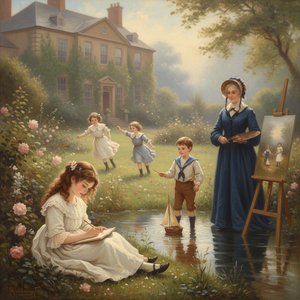
James Sant: Capturing Victorian Childhood & the Evolving Landscape of British Genre Painting
Explore the life & art of James Sant (1820-1916), renowned Victorian portraitist to Queen Victoria. Discover his captivating depictions of childhood, landscapes, and aristocratic society. Learn about his legacy & find fine art reproductions.

ロマン派ランドスケープ:時代を彩る巨匠の10選|アートとインテリアの世界
ロマン派絵画の時代を彩る10選。巨匠たちの風景が織りなす感動の世界へ。ターナー、ルーベンスなど、名作の裏話と高精細複製でアートをお部屋に。OriginalUniqueArt.comで至福のアート体験を。

Evoking Atmosphere & Identity: A Journey Through Landscape Painting's History
Explore the rich history of landscape painting! Discover renowned artists, movements like Romanticism, & techniques such as atmospheric perspective. Find inspiration and quality reproductions at OriginalUniqueArt.

Evocations of Place: A Historical Journey Through Landscape Art
Explore the rich history of landscape art with OriginalUniqueArt. Discover renowned artists, movements like Impressionism & Romanticism, and expert guidance for collecting timeless pieces. Find your perfect serene escape today!
