 プレビュー
プレビュー
 シェアする
シェアする シェアする
シェアする
 詳細を見る
詳細を見る

 ダウンロード
 似ている作品
 X線調査
X線調査 スライドショー
Stanza Della Segnatura d06

 詳細を見る
詳細を見る
ジークレー/アートプリント
迅速な制作と多彩な仕上げオプションを備えた、ミュージアムクオリティのジークレーまたはキャンバスプリント。 ( 手描き画への切り替え 画像に切り替え)




P118B $10

P118H $10

P118W $10

P438Z $10

P508JH $12

P508YH $12

P805H $10

P805Z $10

P919BZ $10

P919G $10

P919XJ $10

P959ZH $10

P968JZ $12

W106C $8

W218G $10

W218JH $8

W218Y $10

W307PJ $10

W316G $10

W316PJ $8

W316Y $10

W398PJ $8

W4111J $10

W500HY $15

W500JH $15

W692G $12

W849H $8

W940BG $15

W953PJ $8




作品のオリジナル比率に合わせた、当店の規定サイズからお選びください。

特定のフレームやスペースに合わせて、ご自身でサイズを指定することも可能です。選択されたサイズが元の画像の比率と一致しない場合、作品をトリミングするか、鏡面反射または単色での塗りつぶしによって画像を拡張いたします。制作を開始する前に、ご確認用のデジタルモックアップをお送りいたします。
画面上のプレビューには、実際のトリミングや拡張は反映されませんのでご注意ください。最終的な構図を正確に確認できるのは、モックアップのみとなります。
カスタムサイズも承っておりますが、元の比率を維持するためには、あらかじめ用意されたリストからサイズを選択することをお勧めいたします。


 ガラスオプションは、110cm未満のサイズでのみご利用いただけます。

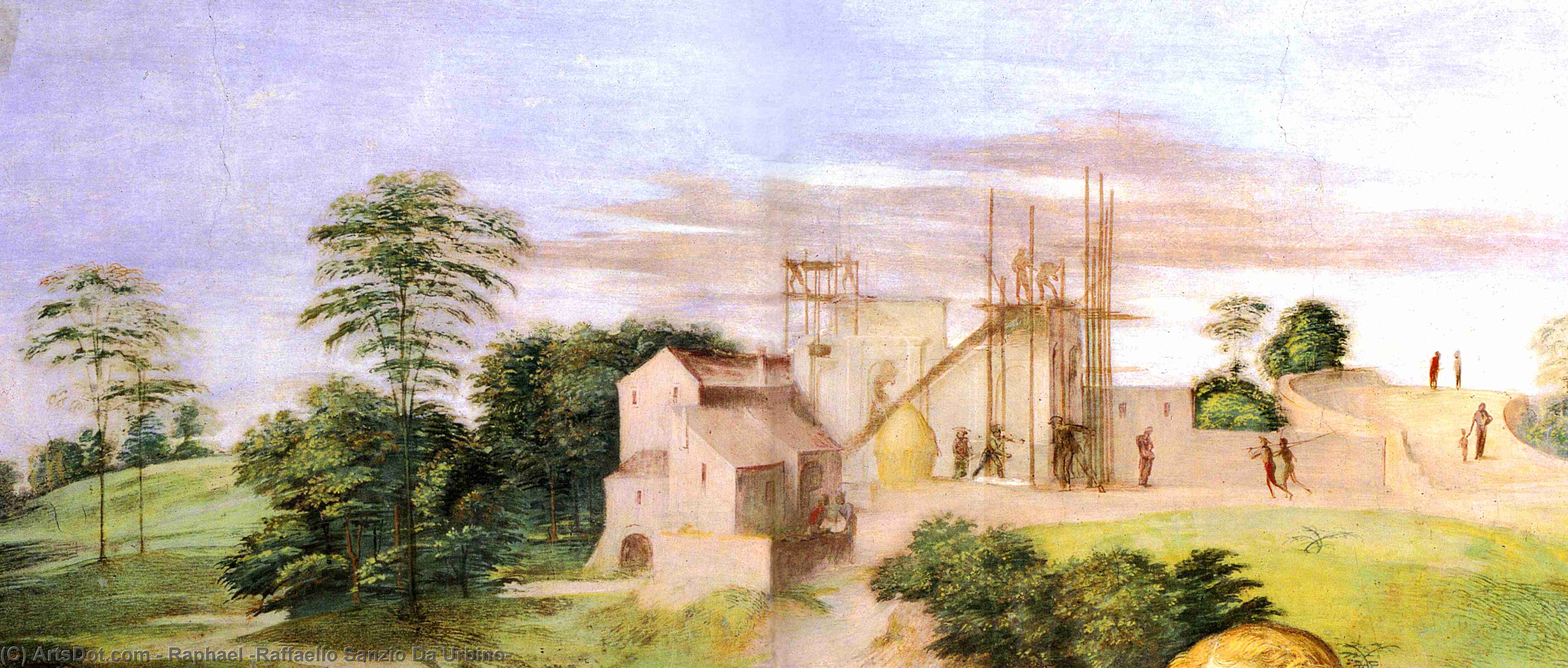
Stanza Della Segnatura d06
ジークレー/アートプリント
複製画のサイズ
-


合計金額
$ 81
作品詳細説明
The Stanza Della Segnatura: A Window into Renaissance Thought
Raphael’s “Stanza Della Segnatura,” or Room of the Signatura, within the Vatican Palace remains one of the most profoundly captivating frescoes in Western art history. Completed between 1508 and 1511 during his tenure as papal court painter, it's more than just a beautiful depiction of Roman philosophy; it’s a meticulously crafted visual argument for the interconnectedness of knowledge, faith, and reason – a microcosm of Renaissance humanism at its most ambitious. The room itself, originally intended as a library and private study for Pope Julius II, was transformed into a testament to intellectual pursuit by Raphael, reflecting the pontiff's desire to establish a center of learning within the heart of Rome.
The fresco’s central panel depicts the “Scholae Platones,” or School of Plato, featuring renowned philosophers like Aristotle and Pythagoras engaged in spirited debate. To their right stands Raphael himself, presenting the figure of Saint Augustine, embodying the synthesis of classical philosophy and Christian theology. This composition immediately establishes a dialogue between ancient wisdom and contemporary faith – a core tenet of Renaissance thought. The figures are rendered with an astonishing level of realism and psychological depth; each face is meticulously observed, conveying a range of emotions and intellectual intensity. Raphael’s mastery of *sfumato*, the subtle blurring of lines and colors, creates a sense of atmospheric perspective and adds to the fresco's overall luminosity.
A Symphony of Allegory: The Panels Beyond
Beyond the central panel, the “Stanza Della Segnatura” unfolds into three more interconnected frescoes, each dedicated to one of the four cardinal virtues – Prudence, Justice, Temperance, and Fortitude – alongside their corresponding branches of knowledge: Theology, Philosophy, Law, and Poetry. The "Disputation on the Holy Sacrament" showcases theology in action, while “Virtues and the Law” presents a balanced representation of justice and prudence. The most visually arresting panel is undoubtedly “Parnassus,” depicting Apollo presiding over the Muses – figures representing artistic inspiration – amidst a gathering of poets, sculptors, and musicians. This scene isn’t merely decorative; it symbolizes the pursuit of beauty and truth through creative expression.
Notice the deliberate use of color throughout the frescoes. The warm hues of red, gold, and orange dominate the panels dedicated to virtue and faith, evoking a sense of warmth, passion, and divine grace. Conversely, the cooler blues and greens employed in the philosophical scenes suggest reason, intellect, and contemplation. Raphael’s understanding of color theory was exceptional; he skillfully used light and shadow to create depth, volume, and emotional resonance within each composition.
Technique and Legacy: The Hand of a Master
Raphael's technique in the “Stanza Della Segnatura” is characterized by its remarkable clarity, precision, and harmonious balance. He employed *trompe-l’œil* – creating an illusion of three-dimensionality – to convincingly depict architectural elements and figures within the frescoed walls. The meticulous detail evident in every brushstroke speaks volumes about his dedication to his craft and his mastery of perspective. He worked with a large workshop, but maintained strict control over the overall design and execution, ensuring that each element contributed to the cohesive narrative.
The “Stanza Della Segnatura” exerted an immense influence on subsequent generations of artists. Its emphasis on classical ideals, harmonious composition, and intellectual themes became hallmarks of High Renaissance art. Leonardo da Vinci, Michelangelo, and countless others drew inspiration from Raphael’s masterpiece, solidifying its place as a cornerstone of Western artistic tradition. Today, reproductions offer a remarkable opportunity to experience the beauty and profound wisdom contained within this extraordinary room.
Symbolism and Emotional Resonance
The “Stanza Della Segnatura” is replete with symbolic meaning, reflecting the humanist ideals that shaped Renaissance thought. The figures depicted are not merely portraits; they represent abstract concepts – virtues, knowledge, and philosophical principles. The overall composition can be interpreted as a visual manifesto for the harmonious integration of faith, reason, and beauty. Looking at this fresco evokes a sense of intellectual curiosity, spiritual aspiration, and profound human potential.
Beyond its historical and artistic significance, the “Stanza Della Segnatura” continues to resonate with viewers today. Its timeless themes – the pursuit of knowledge, the importance of virtue, and the power of creative expression – remain profoundly relevant in our own complex world. It’s a reminder that art can not only beautify our surroundings but also illuminate the deepest questions about human existence.
アーティストの略歴
ウルビーノのルネサンス:ラファエロの初期と形成
ラファエロ・サンツィオ・ダ・ウルビーノ、世界では単にラファエロとして知られる彼は、驚くほど豊かな文化的土壌から現れた芸術家です。1483年、中央イタリアの小さな都市国家ウルビーノの城壁の中で生まれ、幼少期は芸術的技能と人文主義学習の両方を重視する雰囲気の中で育ちました。彼の父親、ジョヴァンニ・サンティは、フェデリーコ・ダ・モンテフェルトロ公のために絵を描く画家であるだけでなく、ルネサンス思想の流れに深く関わり、イタリア内外から革新的な芸術的アイデアを積極的に求めた詩人でした。この宮廷環境への没頭、洗練と知的議論を重んじる環境は、若きラファエロの感性を深く形作りました。11歳の時に父親を亡くしたことは彼に責任を負わせましたが、同時に地元の芸術家の指導のもと家族の工房の中で技術を磨く機会も与えられました。これらの初期作品ですら、彼の成熟したスタイルを特徴づける穏やかな優雅さと細部への綿密な注意が垣間見えます。
ウンブリアからフィレンツェへ:新たな影響を吸収する
ラファエロの芸術的旅路は絶え間ない進化によって特徴付けられ、集中的な研究と吸収の時期でマークされています。ペルージャでピエトロ・ペルジーノの下での初期の訓練は、ソフトなモデリング、調和のとれた構成、そして穏やかな宗教的な場面に特徴づけられるウンブリア様式における確固たる基盤を築きました。しかし、ラファエロは飽くなき好奇心を持っており、それが彼を新たな挑戦を求め、芸術的視野を広げるように駆り立てました。1504年、彼は芸術的革新のエネルギーで脈打つ都市、フィレンツェへと旅立ちました。そこでレオナルド・ダ・ヴィンチとミケランジェロという、前例のない方法で絵画の限界を押し広げている芸術家の傑作に遭遇しました。彼は彼らの技術—レオナルドのスフマート、光と影の微妙なグラデーション、そしてミケランジェロの強力な解剖学的精度と劇的な構成—を丹念に研究しました。このフィレンツェ時代はラファエロにとって鍛錬の場であり、彼に新たな芸術的可能性に直面し、それらを独自のビジョンに統合することを強いるものでした。その影響は、特に彼のマドンナシリーズにおけるこの時期からの作品のダイナミズムと心理的な深さの増加に見られます。
ローマでの勝利:委嘱状と傑作
1508年、ラファエロのキャリアを大きく変えることになる勧誘—教皇ユリウス2世からのローマへの招待—を受けました。これは彼の最も多産で称賛された時期の始まりとなりました。永遠の都は、バチカンにある教皇宮殿に息を呑むようなフレスコ画で飾るという、壮大な規模で才能を発揮する比類のない機会を提供しました。アテネの学士は、彼の構成、遠近法、そして哲学的な寓話における卓越性を証明する作品です。その雄大な空間の中で、ラファエロは古代ギリシャ・ローマの世界からプラトン、アリストテレス、ピタゴラス、ユークリッドといった人物を集め、人間の理性と知識の探求を祝う活気に満ちた光景を作り出しました。彼はレオ10世を含むその後の教皇たちからも仕事を請け負い、スタッツェ・デッラ・セニャトゥーラやスタンツァ・ド・エリオーロの装飾といった大規模なプロジェクトに取り組みました。これらの部屋にあるフレスコ画は単なる装飾ではなく、教皇権力、宗教的信念、そしてルネサンスの理想を表明する深遠な声明です。
優雅さと壮大さの融合:ラファエロの芸術スタイル
ラファエロの芸術スタイルはしばしば、優雅さ、明瞭さ、そして理想化された美しさの調和のとれたブレンドとして説明されます。彼は多様な影響—ウンブリアの伝統、フィレンツェの革新、古代ギリシャ・ローマの世界—を独自のバランスの取れた美学に統合するという並外れた能力を持っていました。彼の構成は注意深く計画されており、ルネサンスの原則に対する深い理解を反映した秩序と比例感を示しています。彼の人物は穏やかな威厳と感情的な表現力に満ちており、人間の完璧さという人文主義の理想を体現しています。彼はまた、視覚的に魅力的で知的に刺激を与える作品を作り出すために、豊かで輝く色合いを使用する色彩の達人でもありました。ミケランジェロのしばしば劇的で荒々しいスタイルとは異なり、ラファエロの作品は落ち着きと調和の感覚を醸し出し—それが何世紀にもわたって観客に愛されてきた理由です。
遺産と永続的な影響
37歳という若さで突然亡くなったことは、可能性に満ちたキャリアを途絶えさせましたが、彼の遺産は西洋美術史における最も重要な人物の一人として生き残っています。彼の作品はルネサンス盛期美学の礎となり、何世代にもわたる芸術家たちのモデルとなりました。ミケランジェロの影響が後に芸術的議論を支配しましたが、ヨハン・ヨーアヒム・ヴィンケルマンのような批評家によって支持された、明瞭さ、調和、そして理想化された美しさへのラファエロの重点は、新古典主義時代に復活しました。今日、彼の絵画は今もなお畏敬の念と賞賛を呼び起こし、その技術的な才能、感情的な深さ、そして永続的な魅力で観客を魅了しています。彼の影響はその後数多くの芸術作品に見られ、彼をルネサンスの真の巨匠としての地位を確固たるものにしました—人間の優雅さと尊厳の本質を捉えた画家です。

ラファエロ
1483 - 1520 , イタリア
基本情報
- フルネーム: ラファエロ・サンツィオ
- 主な作品:
- アテネの学士
- シクストゥス礼拝堂のマドンナ
- 変容
- 出身地: ウルビーノ(イタリア)
- 国籍: イタリア
- 影響を与えたアーティスト/運動: ['新古典主義']
- 影響を受けたアーティスト:
- レオナルド・ダ・ヴィンチ
- ミケランジェロ
- 死亡年月日: 1520年
- 生年月日: 1483年
- 芸術運動/スタイル: 盛期ルネサンス
関連記事

OriginalUniqueArt.com F.A.Q.: Elevating Interiors with Bespoke Wall Murals & Masterpiece Frescoes
Discover the pinnacle of bespoke interior transformation with OriginalUniqueArt.com. Our master fresco artists create exquisite, hand-painted wall murals and ceiling masterpieces tailored to your estate. Elevate your architectural space with timeless, museum-quality artistry.