

 プレビュー
プレビュー
 シェアする
シェアする シェアする
シェアする
 詳細を見る
詳細を見る

 ダウンロード
 似ている作品
 X線調査
X線調査 スライドショー
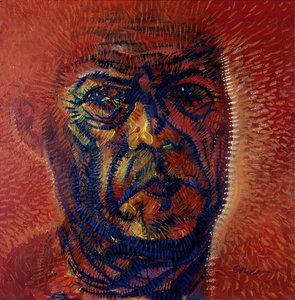
Self portrait
 2003
2003 140.0 x 152.0 cm
 詳細を見る
詳細を見る
オンラインプレビューをはるかに凌ぐ、高解像度で鮮明なデジタル画像をご購入いただけます。
各ファイルは、社内の専門家が高度なツールと熟練した手作業によるレタッチを用いて、細心の注意を払って準備されています。すべての画像において、卓越した鮮明度、正確な色彩再現性、そして繊細なディテールを保証いたします。
最終ファイルは、プロフェッショナルな編集・印刷環境ですぐにご利用いただけるよう最適化された状態で、72時間以内にメールにてお届けいたします。これは、一流のデザインスタジオ、出版社、ギャラリーから信頼されているものと同等の品質です。
デジタルアート
個人での鑑賞、印刷、クリエイティブなプロジェクト用に、高解像度ファイルをダウンロードできます。 ( プリント版に切り替え 手描き画への切り替え)
デジタル画像のご注文に付随する特典
高品質なデジタル画像配信を、確かな品質で。
OriginalUniqueArt.com を選ぶことは、単に画像を手に入れることではありません。それは、プロの手によって精密に仕上げられ、満足保証が付いた高品質なデジタルアートワークを受け取ることを意味します。ご注文いただいた際に自動的に付随する内容は、以下の通りです:

メールですぐにお届け
ご注文から72時間以内に、高解像度のデジタル画像ファイルがメールでお手元に届きます。すぐにそのままご利用いただけます。

AI技術で最適化されたデジタルファイル
お客様の作品は、高度なAIツールと専門家による手作業の編集を組み合わせてプロフェッショナルに最適化されており、細部のディテール、鮮明さ、そして正確な色再現性を最大限に引き出しています。

一生涯無料の再送サービス
ファイルを誤って削除したり、紛失してしまったりしましたか?ご安心ください。いつでも無料で再送いたします。

輸入手数料は一切かかりません
関税や手数料、配送料を気にすることなく、お気に入りのアートワークをすぐにお楽しみいただけます。デジタルダウンロードは常に免税です。

色彩再現の保証
プロ仕様のツールとカラーマネジメント技術を用いることで、デジタル画像が元の色を最大限に忠実に再現することを保証いたします。

60日間満足保証
ご購入いただいたデジタル画像にご満足いただけない場合は、60日以内であれば、修正または100%の返金(理由を問う必要はありません)をさせていただきます。

100% 返金保証
ご満足いただけない場合は、デジタルファイルを受け取ってから60日以内であれば、理由を問わず全額返金いたします。

まとめ買い割引
3枚購入で10%OFF - 5枚購入で15%OFF - 10枚以上購入で20%OFF。クリエイティブなプロジェクト、ギャラリー、エージェンシーに最適です。
作品の詳細
Artistic Style and Influences
Oviedo's style is characterized by bold brushstrokes and vibrant colors, which are reminiscent of Expressionism and Surrealism. The background of the painting is abstract and colorful, blending into the figure's face without clear demarcations. This effect creates a sense of unity between the subject and his surroundings, which could be interpreted as an exploration of identity or the merging of internal and external worlds. The Stadtisches Museum Gelsenkirchen in Germany is known for its impressive collection of modern and contemporary art, including works by artists who have explored similar themes of identity and self-expression. For more information on the museum's collection, visit /art/list/?Filter=A@D3BCPD-The-Museum-Stadtisches-Museum-Gelsenkirchen-Germany.Other Notable Works
Oviedo's Self-portrait is not an isolated work, but rather part of a larger body of art that explores the human experience. Other notable works by the artist include Prehispanico and Posando para el Futuro. For more information on Oviedo's artworks, visit /art/list/?Filter=8XYTCS-Ramon-Oviedo-Self-portrait. Some of the key features of Oviedo's artwork include:- Use of bold brushstrokes and vibrant colors
- Exploration of identity and self-expression
- Blending of internal and external worlds
作家の略歴
Ramón Oviedo: A Vibrant Voice of the Dominican Republic
Born in Barahona, Dominican Republic, in 1924, Ramón Oviedo’s life and art were inextricably linked to his homeland – a land of vibrant colors, rich history, and profound cultural influences. His journey as an artist unfolded against the backdrop of a nation grappling with its identity, navigating periods of political upheaval and striving for artistic recognition. Oviedo's work is more than just paintings; it’s a visual chronicle of Dominican life, infused with personal reflection and a distinctive, joyful aesthetic.
Oviedo’s early influences were deeply rooted in the traditions of his community. Growing up in Barahona, he was exposed to the rhythms of Afro-Caribbean music, the vibrant hues of local textiles, and the storytelling inherent in Dominican folklore. These elements would later permeate his canvases, creating a visual language that is both uniquely Caribbean and profoundly personal. While formal artistic training remained elusive for much of his career, Oviedo’s talent blossomed through self-directed study and tireless experimentation. He began painting primarily in the 1950s, initially exploring figurative works depicting scenes from daily life – market vendors, fishermen returning with their catch, and families gathered around shared meals. These early pieces demonstrate a keen eye for detail and a remarkable ability to capture the essence of Dominican character.
The Evolution of Style: From Realism to Abstraction
Over time, Oviedo’s style underwent a significant transformation. Initially grounded in realism, his work gradually embraced abstraction, particularly during the 1980s and 90s. This shift wasn't a rejection of his subject matter but rather an exploration of color, form, and emotion. He began to employ bolder palettes, layering vibrant hues and creating dynamic compositions that seemed to pulse with energy. Figures became increasingly stylized, often reduced to simplified shapes and suggestive gestures. The influence of movements like Cubism and Fauvism can be detected in his later works, though Oviedo always maintained a distinctly Dominican sensibility.
A pivotal moment in his artistic development came with the painting “Por que dulce caña-” (Why Sweet Cane?), created in 1994. This piece, characterized by its swirling colors and enigmatic figures, exemplifies Oviedo’s move towards abstraction while retaining a strong connection to Dominican cultural imagery. The cane itself – a symbol of sugar production and a cornerstone of the Dominican economy – becomes an almost mythical element within the composition, inviting interpretation and contemplation.
Themes and Symbolism in His Work
Oviedo's paintings are rich with symbolism, often reflecting themes of identity, memory, and the complexities of Dominican society. Portraits, particularly self-portraits, are a recurring motif, offering glimpses into the artist’s inner world and his evolving relationship with himself and his heritage. The use of clothing – vibrant fabrics, traditional garments – is particularly significant, acting as visual markers of cultural identity and social status. Recurring motifs include musical instruments (particularly guitars), suggesting the importance of music in Dominican life, and depictions of landscapes—often featuring the rugged beauty of the Caribbean coastline.
Furthermore, Oviedo’s work frequently engages with themes of nostalgia and remembrance. He seems to be grappling with a sense of loss – perhaps for a disappearing way of life or for the challenges faced by his nation – while simultaneously celebrating the enduring spirit of the Dominican people. His paintings are not simply representations of reality; they are imbued with emotion, history, and a profound understanding of the human condition.
Legacy and Recognition
Despite facing periods of relative obscurity during his lifetime, Ramón Oviedo’s work has gained increasing recognition in recent years. His vibrant colors, expressive brushstrokes, and deeply personal subject matter have resonated with audiences both within the Dominican Republic and internationally. He is now considered a key figure in Dominican art history, celebrated for his unique artistic voice and his unwavering commitment to portraying the beauty and complexity of his homeland. His paintings are held in private collections and displayed in galleries throughout the Caribbean and beyond, ensuring that his legacy as one of the most important artists of the 20th century continues to grow.
Oviedo’s influence extends beyond his individual creations; he represents a vital link between tradition and innovation, demonstrating how art can serve as a powerful tool for cultural preservation and artistic expression. His work stands as a testament to the enduring spirit of the Dominican Republic and the profound impact of one artist's vision.
ramon oviedo
1924 - 2015 , Dominican Republic
プロフィール概要
- Artistic Movement Or Style: Caribbean Art
- Date Of Birth: 1924
- Date Of Death: 2015
- Full Name: Ramón Oviedo
- Nationality: Dominican
- Notable Artworks:
- Por que dulce caña-
- Self portrait
- Place Of Birth: Barahona, Dominican Republic

