

 設置イメージを確認
 送る
送る シェア
シェア
 詳細情報
詳細情報 ガイドを表示

 画像をダウンロード
 似ている作品
 X線調査
X線調査 スライドショー
 統計情報
統計情報Up the River During Qingming
 Oil On Canvas
- WallArt
- Ming Dynasty Painting
 1644
1644 34.0 x 804.0 cm
 国立故宮博物院
 続きを読む
続きを読む
ジークレー/アートプリント
スピーディーな制作と多彩な仕上げオプションが魅力の、ミュージアムクオリティなジークレー・キャンバスプリント。 ( 手描きの複製画を注文する デジタル画像販売へ切り替え)




P118B ¥10

P118H ¥10

P118W ¥10

P438Z ¥10

P508JH ¥12

P508YH ¥12

P805H ¥10

P805Z ¥10

P919BZ ¥10

P919G ¥10

P919XJ ¥10

P959ZH ¥10

P968JZ ¥12

W106C ¥8

W218G ¥10

W218JH ¥8

W218Y ¥10

W307PJ ¥10

W316G ¥10

W316PJ ¥8

W316Y ¥10

W398PJ ¥8

W4111J ¥10

W500HY ¥15

W500JH ¥15

W692G ¥12

W849H ¥8

W940BG ¥15

W953PJ ¥8




作品のオリジナル比率に合わせた、当店の規定サイズからお選びください。

額縁や壁のスペースに合わせて、ご希望の幅と高さを入力してください。プリントはカットすることは可能ですが、元の画像より大きくすることはできないため、異なる比率のサイズを選択された場合は、画像の一部が欠けることになります。印刷を開始する前に、内容を確認していただくためのデジタルモックアップをお送りいたします。このページに表示されている画像は、実際のカット後の状態を示すものではありません。実際の仕上がりはモックアップにてご確認ください。


 ガラスオプションは、110cm未満のサイズでのみご利用いただけます。

Up the River During Qingming
ジークレー/アートプリント
複製画サイズ一覧
-


合計金額
¥ 12591
A Glimpse into Imperial Life and Artistic Mastery
“Up the River During Qingming” – a title that conjures images of a vibrant, bustling scene, yet within its painted surface lies a profound meditation on life, death, and the ephemeral beauty of the natural world. Attributed to the masterful Qiu Ying, a painter who defied conventional artistic paths to forge his own legacy during the Ming Dynasty (1494-1552), this handscroll offers an unparalleled window into 17th-century China – a time of immense cultural flourishing and imperial grandeur. More than just a depiction of a river journey, it’s a meticulously crafted tableau that speaks volumes about social hierarchy, artistic innovation, and the enduring fascination with capturing fleeting moments.
The Painter's Journey: From Lacquer to Legend
Qiu Ying’s origins were remarkably unconventional. He began his career not within the established academies of art, but as a lacquer artisan – a skill that instilled in him an extraordinary attention to detail and a deep understanding of color and texture. This early apprenticeship honed his ability to render intricate patterns with precision, a quality that would become hallmarks of his later paintings. He subsequently studied under Zhou Chen in Suzhou, a renowned master who further refined his technique and exposed him to the prevailing artistic trends of the era. Qiu Ying’s journey is a testament to the power of self-directed learning and the diverse paths one can take to achieve artistic greatness.
A Symphony of Color and Technique
The scroll's visual impact is immediately arresting, dominated by a rich palette of mineral pigments – vibrant blues derived from lapis lazuli, shimmering greens sourced from malachite, and fiery reds achieved with cinnabar. Qiu Ying’s technique exemplifies the “gongbi” style, characterized by meticulous brushwork and an almost photographic realism. Notice the incredible detail in the rendering of the buildings lining the riverbank – each tile meticulously depicted, reflecting the opulence of imperial architecture. The water itself is treated with a remarkable fluidity, utilizing layered washes to create an illusion of movement and depth. The use of “wet-on-wet” technique further enhances this effect, blurring the boundaries between foreground and background.
Scenes of Celebration and Social Commentary
“Up the River During Qingming” is not simply a landscape painting; it’s a carefully constructed narrative. The scene unfolds along the Jinming River, teeming with activity as people celebrate the Qingming Festival – a time for honoring ancestors and visiting graves. We see elaborate boat races, lively dance performances, acrobatic displays, and even military reviews, all taking place within the confines of a grand palace complex. These activities are not merely decorative; they subtly comment on the social hierarchy of the time, with the emperor’s presence and lavish displays signifying his authority and power. The inclusion of stage performances suggests an appreciation for entertainment and cultural refinement.
Symbolism and the Ephemeral Nature of Life
Beyond its surface details, “Up the River During Qingming” is imbued with symbolic meaning. The river itself represents the flow of time, while the figures within the scene embody the diverse roles and aspirations of Ming Dynasty society. The meticulous detail with which Qiu Ying depicts the landscape – from the towering willow trees to the meticulously rendered buildings – underscores the importance of harmony between humanity and nature. Ultimately, the painting serves as a poignant reminder of the fleeting beauty of life and the enduring desire to capture it on canvas. It’s a masterpiece that continues to resonate with viewers centuries later, offering a glimpse into a bygone era and inviting us to contemplate our own place within the grand sweep of history.
よくあるご質問
「Up the River During Qingming」の著作権の状態が、なぜ現在のようになっているのでしょうか?
「Up the River During Qingming」の著作権の状態について — パブリックドメイン(著作権消滅) — は、作者の没年である1552に基づいています。
丘英作「Up the River During Qingming」にはどのような技法が用いられていますか?
丘英作「Up the River During Qingming」の技法はOil On Canvasです。複製画は、この技法の質感や風合いを再現することを目指しています。
丘英作「Up the River During Qingming」は、Ming Dynasty Paintingの作品の中でも、高い人気を誇るものなのでしょうか?
Ming Dynasty Painting運動において、「Up the River During Qingming」はRecognizedの知名度を誇ります。
アーティストについて
筆跡に刻まれた生涯:邱英の世界
1494年、現在の江蘇省に近い太倉の町に、慎ましい家庭から生を受けた邱英は、明代を代表する最も名高い画家の一人へと登り詰めました。学問に励む家系に生まれ、確立された芸術界の中で正統な教育を受けた当時の多くの画家たちとは異なり、邱英の歩んだ道は驚くほど自力で切り拓かれたものでした。彼の芸術の旅は伝統的な門戸から始まったのではなく、漆工の徒弟として、細密な装飾技術を磨くことから始まりました。この初期の経験こそが、後の作品に特徴的な、極めて緻密な精密さの礎となったのです。この修行を通じて培われた線と色彩への卓越した感覚は、明代の文化の拠点であった蘇州において、周臣の指導を受けることでさらに洗練されていきました。このダイナミックな環境の中で、邱英はさまざまな技法を吸収し、彼独自の芸術的な声を見出し、真の開花を遂げたのです。万能なる巨匠:様式と技法
邱英の天才性は、単一の流派や様式に固執することではなく、その並外れた多才さにありました。当時の蘇州は、呉派が好んだ繊細な水墨画の拠点でしたが、邱英はこうしたニュアンス豊かなアプローチと、鮮やかで緻密な「工筆」技法の両方を極めるという、類まれな能力を示しました。この適応力によって、彼は多様な趣向を持つ幅広い顧客層の要望に応えることができ、極めて需要の高い画家としての地位を確立したのです。彼はこれらの技法を巧みに融合させ、豊かな色彩と複雑な細部で知られる「青緑山水」の要素をしばしば構図に取り入れました。彼の絵画は、洗練された色彩、細部への徹底したこだわり、そして壮大なパノラマ風景から親密で繊細に描かれた情景までをも捉える驚異的な表現力によって際立っています。この技術的な卓越性は、単なる技巧の誇示ではありませんでした。それは物語を紡ぎ、感情を伝え、絹や紙の上に物語に命を吹き込むための手段だったのです。パトロンの存在と輝かしいキャリア
邱英のキャリアが花開いた背景には、幅広い主題の作品を依頼した裕福なパトロンたちの寛大な支援がありました。彼は、空気感漂う遠近法を用いた山水画、精神的な献身が溢れる宗教的な場面、生命力に満ちた花々や庭園の繊細な描写、そして人物の本質を捉えた魅力的な人物画を描き出しました。彼の最も名高い傑作には、北宋時代の象徴的な原画に触発された『清明上河図』の巧みな再構築や、自然の中に優雅な人物を描き出した『竹林の女』、古典文学のテーマへの深い理解を示す『竹林七賢』、そして宮廷生活を鮮やかに描き出した『漢宮春暁』などがあります。蘇州の陳官をはじめ、後に著名な美術収集家となった周鳳来や向元辺といった主要なパトロンたちは、彼の芸術活動を支える上で極めて重要な役割を果たし、彼が創造性を探求し技法を磨き続けるための自由を与えました。遺産と永劫に続く影響
邱英の才能と多才さは、彼を明代の「四大家」の一人に押し上げました。これは中国絵画史における彼の深い影響力を物語る証です。彼は伝統的な様式と当時の時代の嗜好との架け橋となり、技術的に輝かしく、かつ審美的に美しい作品を生み出しました。彼の絵画には、特に宋代の先人たちの影響が見て取れますが、彼はそれらの歴史的な前例を、自らの時代の美意識と巧みに融合させたのです。単なる模倣に留まらず、彼は統合し、革新し、最終的に彼独自の様式を創り上げました。その生涯を超えて、邱英の影響は、彼の卓越した技法と革新的なアプローチを称賛する後世の世代へと広がっていきました。美を捉え、意味を伝え、芸術界に消えることのない足跡を残した人物として、彼は今もなお中国美術史における称賛すべき存在です。その名は、地球の境界を超えたビジョンを持つ芸術家へのふさわしい献辞として、今日では水星のクレーターの名にも刻まれています。彼の遺志は、今も世界中の芸術愛好家たちの間で畏敬と称賛を呼び起こし続けています。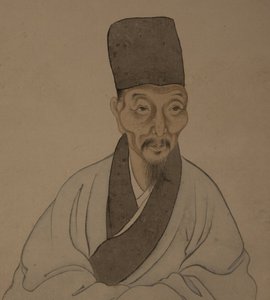
丘英
1494 - 1552 , 中国
アーティスト情報
- Artistic Movement Or Style: 工筆、呉派
- Artists Or Movements Influenced By This Artist: ['明代の絵師']
- Artists Who Influenced This Artist: ['宋代の巨匠']
- Date Of Birth: 1494年
- Date Of Death: 1552年
- Full Name: 丘英
- Nationality: 中国
- Notable Artworks:
- 清明上河図
- 竹林の美女
- 竹林七賢
- 漢宮春暁
- Place Of Birth: 中国、太倉
関連記事
Xie Zhiliu: A Legacy of Ink Wash Painting & Modern Chinese Literati Tradition
Explore the legacy of Xie Zhiliu, a master of Chinese ink wash painting & prominent figure in modern art. Discover his techniques, influences, and contributions to literati tradition. A guide for discerning collectors.
The Timeless Beauty of Chinese Calligraphy: An Exploration of Ink, Spirit, and the Art of the Brush
Embark on a profound journey through the soul of Chinese calligraphy. Explore the historical mastery of ink, brush, and script, from ancient Zhuanshu to elegant running script, and discover how this timeless art form reflects the enduring spirit of classical East Asian aesthetics.

Ephemeral Expressions: Exploring the Nuances of Ink on Paper Through History & Contemporary Art
Explore the captivating world of ink wash painting – from its ancient origins to contemporary masters. Discover techniques, symbolism & conservation insights with OriginalUniqueArt.com.
Pu Xinyu's 'Puru': A Legacy of Literati Painting & Emotional Resonance
Explore the captivating world of Pu Xinyu (Puru), the last great literati painter. Discover his imperial heritage, masterful ink wash techniques & enduring legacy – a valuable addition to any discerning art collection.
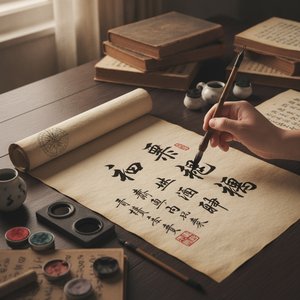
Mastering the Flow: The Timeless Art of Ink on Paper and the Legacy of Calligraphic Mastery
Explore the profound elegance of ink on paper. From the rhythmic running script of the Ming Dynasty to Zen-inspired haiku, discover the history, technique, and meditative mastery behind the world's most timeless calligraphic traditions.