

 設置イメージを確認
 送る
送る シェア
シェア
 詳細情報
詳細情報 ガイドを表示

 画像をダウンロード
 似ている作品
 X線調査
X線調査 スライドショー
 統計情報
統計情報Still Life. Orchids.
 Oil On Canvas
- WallArt
- Post-Impressionism
 1928
1928 85.0 x 72.0 cm
 続きを読む
続きを読む
手描き油彩複製画
当社のアーティストが、お客様のご希望のサイズと額縁に合わせて、キャンバスに手描きで制作する油彩画です。 ( プリント版に切り替え デジタル画像販売へ切り替え)




































作品のオリジナル比率に合わせた、当店の規定サイズからお選びください。

フレームや壁のスペースに合わせて、ご希望の幅と高さを入力してください。本作品は手描きのため、異なる比率のサイズをご希望の場合、絵画の周囲を少し広げて描くか、あるいは端を少しカットして調整することが可能です。お客様のご要望に合わせます。制作を開始する前に、仕上がりを確認するためのデジタルモックアップをお送りいたします。このページに表示されている画像は完成品の実物ではなく、あくまでモックアップによるイメージです。
ご注文後、OriginalUniqueArt.com チームより詳細な指示をお送りするとともに、仕上がりイメージ(モックアップ)をご提供いたします。


 ガラスオプションは、110cm未満のサイズでのみご利用いただけます。

Still Life. Orchids.
再現技法
複製画サイズ一覧
-


合計金額
¥ 47236
A Symphony of Color and Texture: Exploring Pyotr Konchalovsky’s Still Life
Pyotr Petrovich Konchalovsky (1876-1956) stands as a cornerstone of Russian avant-garde art, a painter who relentlessly pursued innovation while simultaneously grounding his vision in the traditions of Impressionism. His oeuvre encompasses landscapes, portraits, and monumental canvases—yet it is “Still Life. Orchids.” (1928), housed within the Fond Petr Konchalovsky, that exemplifies his distinctive approach: a masterful blend of stylistic influences resulting in an unforgettable visual experience. This artwork isn’t merely representation; it's a deliberate orchestration of color, texture, and form designed to evoke emotion and capture the essence of fleeting beauty.Composition and Technique – Fauvist Boldness Meets Delicate Observation
The painting’s composition is deceptively simple—three orchids nestled within terracotta pots upon a weathered wooden table—yet Konchalovsky imbues it with dynamism through masterful brushwork. Characteristic of the Fauvist movement, he abandons naturalistic color palettes in favor of vibrant hues that prioritize expressive impact over accurate depiction. Thick impasto strokes dominate the canvas, particularly around the orchid blossoms and foliage, creating palpable texture and conveying a sense of immediacy. The placement of the orchids—clustered predominantly on the left—introduces asymmetry, subtly guiding the viewer’s gaze across the scene. A window with a cerulean curtain serves as a luminous backdrop, casting diffused light that illuminates the flowers and contributes to the overall atmosphere. Adding to this visual richness is a perched bird, symbolizing freedom and mirroring Konchalovsky's own restless spirit—a detail reflecting his lifelong fascination with nature’s vitality.Color Palette – Purple Passion and Earthy Harmony
Konchalovsky’s color palette pulsates with energy yet maintains an underlying sense of harmony. Dominant shades of emerald green represent the orchid foliage, juxtaposed against fiery magenta and pastel pink hues that highlight the blooms themselves. The terracotta pots introduce grounding browns, anchoring the composition while simultaneously referencing traditional ceramic craftsmanship. A subtle beige tone emanates from the wooden table, providing warmth and balance to the cooler blues of the curtain. This careful consideration of color demonstrates Konchalovsky’s understanding of how hue interacts with light and contributes to emotional resonance—a hallmark of Fauvist aesthetics.Symbolism – Orchids as Vessels of Refinement and Beauty
Beyond its formal qualities, “Still Life. Orchids.” resonates with symbolic significance rooted in the cultural context of its time. Orchids have long been associated with elegance, luxury, and spiritual purity—qualities Konchalovsky sought to convey through his artistic endeavors. The bird perched upon a branch serves as an emblem of liberation and represents Konchalovsky’s own unwavering pursuit of creative expression. Taken together, these elements elevate the painting beyond mere visual pleasure, inviting contemplation on themes of beauty, freedom, and transcendence.Concluding Reflection – A Legacy of Impressionistic Vision
“Still Life. Orchids.” stands as a testament to Pyotr Konchalovsky's enduring legacy—a painter who bravely embraced innovation while honoring artistic tradition. His masterful technique, coupled with his profound sensitivity to color and composition, secures its place among the most compelling works of Russian Fauvist art. Reproductions offer an opportunity to appreciate this captivating image and immerse oneself in the spirit of a bygone era – a moment captured forever on canvas by one of Russia’s foremost artists.よくあるご質問
ピョートル・コンチャロフスキー作「Still Life. Orchids.」 のプリントはどこで購入できますか?
ピョートル・コンチャロフスキー作「Still Life. Orchids.」のプリントをご希望の方は、こちらのファインアートプリントページよりご注文いただけます:コットンキャンバスまたはアーカイブ品質のキャンバスペーパーに施されたファインアートプリント。
ピョートル・コンチャロフスキー作「Still Life. Orchids.」の技法とサイズを教えてください。
原画のピョートル・コンチャロフスキー作「Still Life. Orchids.」は、サイズ85 x 72 cmのOil On Canvasによる作品です。技法およびサイズは原画の仕様を表しています。
ピョートル・コンチャロフスキー作「Still Life. Orchids.」のプリントには、どのようなサイズと向きがおすすめですか?
ピョートル・コンチャロフスキー作「Still Life. Orchids.」のプリントは、Portraitの向きでLargeのサイズに印刷することをお勧めします。
アーティストについて
ピョートル・コンチャロフスキー:変革期のロシア美術を彩った巨匠
ピョートル・ペトロヴィチ・コンチャロフスキーは、1876年にハリコフ近郊のスラヴィャンスク村で生まれ、1956年にモスクワでその生涯を閉じた、ロシアそしてソビエト連邦の画家です。彼の芸術的遍歴は、ロシアが激動の時代を経験する中で、国家の変容を鮮やかに記録したものであり、常に新しい表現方法を模索し続けました。コンチャロフスキー家は、父ペトル・ペトロヴィチが翻訳者であり美術出版社を経営していたため、芸術家たちとの交流も深く、幼い頃からバレンティン・セローフ、ミハイル・ヴルーベル、ヴァシリイ・スリコフといった著名な芸術家たちが頻繁に訪問する、知性と創造性に満ちた環境で育ちました。週末にはトレチャコフ美術館を訪れ、ロシアの巨匠たちの作品を鑑賞することで、その美的感覚が磨かれていきました。パリの影響と前衛への道
1896年から1898年にかけて、コンチャロフスキーはパリでアカデミー・ジュリアンで学びました。このフランス美術界への没入は、彼の芸術に大きな変革をもたらしました。ポール・セザンヌやフィンセント・ファン・ゴッのような、従来の表現を打ち破り、新しい形態と色彩を探求する芸術家たちの作品に出会い、深く感銘を受けました。アルルへの旅では、ゴッホの芸術的ビジョンをより深く理解し、表現の強烈さを体感しました。ロシアに戻った後も、サンクトペテルブルクの帝国美術アカデミーで学びましたが、帰国後にコンチャロフスキーは独自のスタイルを確立していきます。彼はロシア前衛運動の中心人物の一人となり、1910年には影響力のある「ダイヤモンドの騎士」(Knave of Diamonds)グループを結成しました。このグループは伝統的な学術主義を拒否し、実験性を重視し、西欧の近代芸術だけでなく、ロシア独自の民芸伝統——イコン画、酒場の看板、そしてカラフルな風俗画(リュボク)——からもインスピレーションを得ていました。変遷する様式と主題:時代への適応
コンチャロフスキーの芸術的スタイルは、そのキャリアを通して進化を続け、個人の探求だけでなく、ロシアの政治情勢の変化も反映しました。初期にはフォヴィスムやセザンヌの影響を受け、大胆な色彩、簡略化された形態、そして構造への集中が特徴でした。「コーヒーポットのある静物」などの作品に見られるように、鮮やかな色彩とダイナミックな構成が際立ちます。第一次世界大戦におけるロシア軍での従軍後、彼のスタイルは徐々に変化し始めました。ソビエト連邦下で台頭した社会主義リアリズムは、芸術にイデオロギー的な目的を求めており、コンチャロフスキーもこの潮流に適応し、社会主義的理想を称え、著名な人物を描く儀式的な肖像画を手がけるようになりました。しかし、こうした変化の中でも、彼は独自の芸術的声を維持し、政治的に意図された作品にも重厚感と記念碑性を吹き込んでいます。彼の膨大な作品数——5,000点以上——は、その飽くなき献身と絵画への揺るぎない情熱の証です。遺産と現代における意義
ピョートル・コンチャロフスキーのロシア美術への貢献は否定できません。彼は初期の近代主義と社会主義リアリズムを繋ぐ架け橋となり、激動の政治状況の中で重要な芸術家としての地位を確立しました。1922年のトレチャコフ美術館での個展開催は、彼の名声を確固たるものにしました。彼自身の作品に加え、コンチャロフスキーは芸術一家を育み、息子ミハイル・ペトロヴィチ・コンチャロフスキーが著名な映画監督となり、娘ナタリア・コンチャロフスカヤも優れた芸術家として活躍しました。彼の作品は単なる美的な対象ではなく、彼が生きた激動の時代を記録した歴史的文書であり、ロシア美術の進化と、急速に変化する社会の中で活動する芸術家たちが直面した課題への貴重な洞察を提供します。コンチャロフスキーの能力——政治的混乱にもかかわらず芸術表現の持続性を保ちながら、独自のスタイルを維持すること——は、彼をロシア美術史における重要な人物として確固たるものにし、その遺産は今日でも観客にインスピレーションを与え続けています。彼の作品は、政治的変動に直面した芸術的表現の不屈の精神の証であり、現代のロシア美術にも影響を与え続けています。多岐にわたる制作:主要なテーマと主題
コンチャロフスキーの膨大な作品群には、彼の芸術的な関心を反映する反復的なテーマや主題が見られます。静物画は、キャリアを通して一貫して描かれており、制御された環境の中で形態、色彩、構成を探求することを可能にしました。彼は日常的な物体——果物、花、食器など——を描き、それらに重厚感と存在感を吹き込んでいます。風景もまた、彼の作品において特別な位置を占めており、旅先で得た自然の美しさと壮大さを捉えています。しかし、肖像画こそがコンチャロフスキーの真骨頂であり、同時代の人物を魅力的かつ心理的な深みをもって描き出しました。彼の肖像画は、家族の一員という親密な描写から、ソビエト当局者の荘厳な儀式的な表現まで多岐にわたります。彼はまた、ジャンル画や歴史的題材にも挑戦し、多様な芸術的課題に取り組む意欲を示しました。その作品数は5,000点以上と膨大であり、彼の飽くなき献身と絵画への揺るぎない情熱の証です。彼は観察の名手であり、そのビジョンの力によって平凡なものを非凡なものへと変えることができました。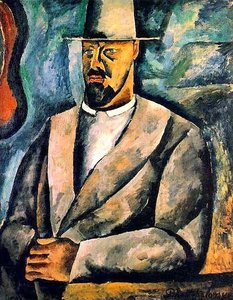
ピョートル・コンチャロフスキー
1876 - 1956 , ロシア
アーティスト情報
- フルネーム: ピョートル・ペトロヴィチ・コンチャロフスキー
- 主な作品:
- 風景
- コーヒーポットのある静物
- ノヴゴロディアン
- 出生地: ハリコフ(ロシア)
- 国籍: ロシア
- 影響を与えた芸術家/運動: ['ロシア前衛芸術']
- 影響を受けたアーティスト:
- ポール・セザンヌ
- フィンセント・ファン・ゴッホ
- 死亡年月日: 1956年2月2日
- 生年月日: 1876年2月21日
- 芸術運動/スタイル: アヴァンギャルド、フォーヴィスム、リアリズム
関連記事

Ivan Bilibin: A Synthesis of Folklore, Modernism & National Identity in Russian Illustration
Explore the enchanting world of Ivan Bilibin, a master Russian illustrator who synthesized folklore, Art Nouveau & national identity. Discover his iconic fairy tale illustrations and legacy with OriginalUniqueArt.
The Enduring Appeal of Still Life: A Historical & Contemporary Exploration
Explore the rich history & symbolism of still life painting with OriginalUniqueArt. Discover masterpieces from the Dutch Golden Age, learn about vanitas art, and find expert guidance for collecting timeless artworks.

Victor Vasnetsov: Myth, Nationalism & the Revival of Russian Fairy Tale Painting
Explore the captivating world of Victor Vasnetsov, a co-founder of Russian folklorist painting. Discover his iconic works, influence on national identity, and lasting legacy in this expert guide.

Silent Narratives: Exploring the Enduring Appeal of Still Life Painting Across Centuries
Explore the rich history of still life painting with OriginalUniqueArt. Discover Dutch Masters, decode vanitas symbolism & learn about collecting timeless art. Expert insights and museum-quality reproductions.
古典的静物画から現代抽象まで:ヴィラでのエンターテイメント空間を格上げする美術複製の世界
ルネサンスから現代アートまで、高品質な美術複製をOriginalUniqueArt.comで。静物画、ヴァニタス、抽象絵画など、ヴィラ空間を格上げする一点を見つけましょう。カスタムメイドやアートアドバイザーによる無料相談も。