

 設置イメージを確認
 送る
送る シェア
シェア
 詳細情報
詳細情報 ガイドを表示

 画像をダウンロード
 似ている作品
 X線調査
X線調査 スライドショー
 統計情報
統計情報Achilles and the Centaur Chiron
 Oil On Canvas
- WallArt
- Baroque Rococo
 1746
1746 159.0 x 127.0 cm
 ウフィツィ美術館
 続きを読む
続きを読む
ジークレー/アートプリント
スピーディーな制作と多彩な仕上げオプションが魅力の、ミュージアムクオリティなジークレー・キャンバスプリント。 ( 手描きの複製画を注文する デジタル画像販売へ切り替え)




P118B ¥10

P118H ¥10

P118W ¥10

P438Z ¥10

P508JH ¥12

P508YH ¥12

P805H ¥10

P805Z ¥10

P919BZ ¥10

P919G ¥10

P919XJ ¥10

P959ZH ¥10

P968JZ ¥12

W106C ¥8

W218G ¥10

W218JH ¥8

W218Y ¥10

W307PJ ¥10

W316G ¥10

W316PJ ¥8

W316Y ¥10

W398PJ ¥8

W4111J ¥10

W500HY ¥15

W500JH ¥15

W692G ¥12

W849H ¥8

W940BG ¥15

W953PJ ¥8




作品のオリジナル比率に合わせた、当店の規定サイズからお選びください。

額縁や壁のスペースに合わせて、ご希望の幅と高さを入力してください。プリントはカットすることは可能ですが、元の画像より大きくすることはできないため、異なる比率のサイズを選択された場合は、画像の一部が欠けることになります。印刷を開始する前に、内容を確認していただくためのデジタルモックアップをお送りいたします。このページに表示されている画像は、実際のカット後の状態を示すものではありません。実際の仕上がりはモックアップにてご確認ください。


 ガラスオプションは、110cm未満のサイズでのみご利用いただけます。

Achilles and the Centaur Chiron
ジークレー/アートプリント
複製画サイズ一覧
-


合計金額
¥ 12596
Pompeo Batoni’s “Achilles and the Centaur Chiron”: A Masterpiece of Baroque Narrative
Pompeo Batoni's "Achilles and the Centaur Chiron," painted in 1746, is more than just a depiction of a classical myth; it’s a profound meditation on mentorship, transformation, and the delicate balance between savagery and civilization. This monumental canvas, now housed within the Galleria degli Uffizi in Florence, immediately captivates with its dramatic lighting, rich textures, and meticulously rendered figures – hallmarks of Batoni's signature Baroque style. The scene unfolds with a palpable sense of intimacy as the young Achilles, barely a man, receives instruction from Chiron, the renowned centaur tutor, a figure steeped in both wisdom and wildness.
Batoni’s artistic approach is deeply rooted in the traditions of Bolognese Classicism, yet he skillfully infuses it with the dynamism and emotional intensity characteristic of the late Baroque. He draws inspiration from Raphael's balanced compositions and Poussin’s masterful use of light and shadow, but elevates them through a heightened sense of theatricality. The painting isn’t merely illustrating a story; it’s actively *performing* it – a carefully orchestrated tableau designed to evoke both wonder and contemplation.
The Symbolism of the Encounter
The central relationship between Achilles and Chiron is laden with symbolic weight. Chiron represents the crucible of transformation, the place where raw potential is honed into refined skill. The centaur’s role as a teacher—a figure often associated with wilderness and instinct—contrasts sharply with Achilles' burgeoning humanity. Batoni subtly emphasizes this duality through the composition: Chiron, despite his animalistic features, possesses an air of serene authority, while Achilles embodies youthful eagerness and vulnerability. The woman standing between them, shrouded in mystery, is believed to be Thetis, Achilles’ mother, acting as a witness to this pivotal moment.
Notably, the lyre that Chiron plays isn't simply an instrument; it symbolizes Apollo, the god of music and healing—a direct link to Chiron’s divine lineage. The act of teaching through music suggests a deeper connection between knowledge, harmony, and the cultivation of virtue. The arrow visible in the upper right corner could represent both Achilles’ future as a warrior and the potential for violence inherent within him – a reminder that even the most noble heroes are shaped by their experiences.
Technique and Artistic Detail
Batoni's technical mastery is immediately apparent in the painting’s exquisite detail. The fabrics of the figures—Achilles’ tunic, Chiron’s cloak—are rendered with astonishing realism, showcasing a deep understanding of texture and drapery. The artist employs *chiaroscuro* – the dramatic contrast between light and shadow – to create a sense of depth and volume, drawing the viewer's eye into the scene. The warm, golden hues of the lighting bathe the figures in an ethereal glow, enhancing their emotional impact.
Furthermore, Batoni’s use of color is particularly noteworthy. He employs a rich palette of reds, blues, and browns to create a sense of warmth and vitality. The subtle variations in tone contribute to the painting's overall harmony and visual appeal. The meticulous attention to detail extends to the background—the ancient tree, the distant landscape—which serves as a carefully constructed stage for this dramatic encounter.
A Legacy of Grandeur
"Achilles and the Centaur Chiron" stands as a testament to Batoni’s artistic genius and his ability to seamlessly blend classical ideals with Baroque drama. It's a painting that continues to resonate with viewers centuries after its creation, inviting us to contemplate themes of mentorship, transformation, and the enduring power of myth. Reproductions of this masterpiece offer an opportunity to bring this captivating scene into any space, imbuing it with a sense of history, grandeur, and timeless beauty.
よくあるご質問
ポンペオ・バトーニ作「Achilles and the Centaur Chiron」の制作年はいつですか?
ポンペオ・バトーニ作「Achilles and the Centaur Chiron」の制作年は1746年です。
制作時期から見て、"Achilles and the Centaur Chiron"はポンペオ・バトーニのキャリアにおけるどの時期にあたりますか?
1746年に制作された「Achilles and the Centaur Chiron」は、ポンペオ・バトーニの画業におけるMature Periodに属する作品です。
「Achilles and the Centaur Chiron」にはどのような雰囲気がありますか?
ポンペオ・バトーニ作「Achilles and the Centaur Chiron」の全体的なムードはDramaticです。このムードは、作品が持つ全体的な雰囲気。
アーティストについて
生い立ちと修行時代
- 誕生: イタリア、ルッカ (1708年)
- 没年: 1787年
- ポンペオ・バトーニは1727年にローマへと移り住みました。
- 彼はアゴスティーノ・マズッチ、セバスティアン・コンカ、あるいはフランチェスコ・インペリアーリといった巨匠たちの下で研鑽を積みました。
- 彼の最初の独立した依頼は、1732年4月にローマを襲った大雨という予期せぬ出来事から舞い込んだものでした。
- 代表作の一つである『聖カタリナの脱魂』には、後期バロック様式の学術的な洗練が見事に表現されています。
芸術的スタイルと影響
- バトーニの画風は、古典古代の精神、フランス・ロココ、ボローニャ古典主義、そしてニコラ・プッサンやクロード・ロラン、とりわけラファエロといった偉大な芸術家たちから多大なインスピレーションを受けていました。
- 彼は新古典主義の先駆者の一人と見なされています。
- 彼の作品は、イタリア・ミランのブレラ絵画館をはじめ、世界各地の美術館に大切に収蔵されています。
代表作と主な依頼作品
- 聖母子と聖人たち
- ローマの騎士:チャールズ・セシル・ロバーツ – ローマの遺跡を背景に描かれた、イギリス人旅行者の名高い肖像画です。
- ヴェネツィアの勝利
- シエナの大聖堂美術館をはじめとする、イタリア各地の教会のための数多くの祭壇画。
- 彼は肖像画において極めて高い需要を誇りました。特に「グランドツアー」の途上にあったイギリス人旅行者たちは、古代の遺構を背景とした立ち姿の肖像画を彼に依頼したのです。
発展と歴史的重要路
- 1761年にライバルであったアントン・ラファエル・メンクスがスペインへ去った後、バトーニはローマで最も流行を牽引する画家となりました。
- 彼はヴィンケルマンと親交を結び、自身の絵画において古典主義を抑制し、調和させることを目指しました。
- 彼の肖像画はグランドツアー時代の精神を見事に捉えており、当時のヨーロッパのエリート層が抱いていた古典古代への憧憬を反映しています。
- バロックの技法と、台頭しつつあった新古典主義の理想を融合させたバトーニの能力は、イタリア美術史における過渡期を象徴する重要な役割を果たしました。
遺産
- ポンペオ・バトーニは1787年2月4日、ローマにてその生涯を閉じました。
- 彼は、その時代を代表する最も名高いイタリア人画家の一人として、輝かしい足跡を残しました。
- その卓越した技術、優美な構図、そして歴史的文脈の中に人物の真実を描き出す洞察力に満ちた描写は、今なお多くの人々を魅了し続けています。

ポンペオ・バトーニ
1708 - 1787 , イタリア
アーティスト情報
- Artistic Movement Or Style: 新古典主義
- Artists Who Influenced This Artist:
- ニコラ・プッサン
- クロード・ロラン
- ラファエロ
- Date Of Birth: 1708年
- Date Of Death: 1787年
- Full Name: ポンペオ・バトーニ
- Nationality: イタリア人
- Notable Artworks:
- 聖母子と聖人たち
- ローマの騎士
- ヴェネツィアの勝利
- Place Of Birth (City And Country): イタリア、ルッカ
関連記事
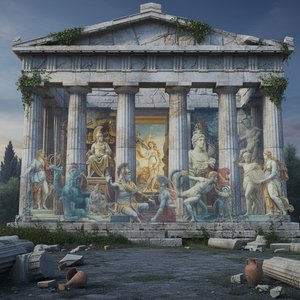
Echoes of Olympus: Mythological Narratives in Western Art Through the Ages
Explore the captivating history of mythological narratives in Western art! From ancient Greece to modern masterpieces, discover iconic artworks & symbolism. Expert analysis and high-quality reproductions at OriginalUniqueArt.

バロック美術を極めた至宝:時代を彩る10大名作の世界
バロック美術の華!カラヴァッジョ、ベルニーニら巨匠が創り上げた10大名作を徹底解剖。ドラマチックな色彩と豪華絢爛の世界観に触れ、至宝のアートプリントで空間を彩ろう。OriginalUniqueArt.comで美術館品質の複製と洗練されたインテリアを見つけましょう!

The Visceral Stage: Exploring Dramatic Narratives & Emotional Intensity in Baroque Art
Explore the dramatic world of Baroque art! Discover iconic masters like Caravaggio & Rembrandt, their techniques, and the movement's lasting impact. Expert insights for collectors & enthusiasts at OriginalUniqueArt.

バロックのドラマ:現代のインテリアに壮麗さと情感を取り込む
バロック様式の歴史、絵画、家具の魅力をご紹介。OriginalUniqueArtでは、高品質な油絵複製やカスタムポートレートをご提供し、現代のインテリアに壮麗さと情感を取り入れます。アートコンサルテーションも承ります。

The Dramatic Flourish: Exploring the Baroque Movement's Enduring Legacy in Art History
Explore the dramatic world of Baroque art! Discover iconic artists like Caravaggio & Rubens, defining techniques, and its lasting impact on art history. Expert insights for collectors & enthusiasts at OriginalUniqueArt.
