

 設置イメージを確認
 送る
送る シェア
シェア
 詳細情報
詳細情報 ガイドを表示

 画像をダウンロード
 似ている作品
 X線調査
X線調査 スライドショー
 統計情報
統計情報Galatea (?)
 1509
1509 63.0 x 100.0 cm
 続きを読む
続きを読む
オンラインプレビューをはるかに凌ぐ、高解像度で鮮明なデジタル画像をご購入いただけます。
各ファイルは、社内の専門家が高度なツールと熟練した手作業によるレタッチを駆使し、細心の注意を払って仕上げています。すべての画像において、卓越した鮮明度、正確な色彩再現性、そして繊細なディテールをお約束いたします。
最終ファイルは、プロフェッショナルな編集・印刷環境ですぐにご利用いただけるよう最適化された状態で、72時間以内にメールにてお届けいたします。これは、一流のデザインスタジオ、出版社、ギャラリーから信頼されているものと同等の品質です。
デジタル画像
個人での鑑賞、印刷、クリエイティブなプロジェクトにご利用いただける高解像度ファイルをダウンロードできます。 ( プリント版に切り替え 手描きの複製画を注文する)
デジタル画像のご注文に付随する特典
プロフェッショナルなデジタル配信を、確かな品質で。
OriginalUniqueArt.com を選ぶことは、単に画像を手に入れることではありません。プロの手によって精密に仕上げられ、満足保証が付いた高品質なデジタルアートワークを受け取ることを意味します。ご注文いただいた際に自動的に付随する内容は、以下の通りです:

メールですぐにお届け
ご注文から72時間以内に、高解像度のデジタル画像ファイルをメールでお送りいたします。お手元に届き次第、すぐにご利用いただけます。

AI技術で最適化されたデジタルファイル
お客様の作品は、高度なAI技術と専門家による手作業を組み合わせてプロフェッショナルに最適化されており、細部のディテール、鮮明さ、そして正確な色再現性を最大限に引き出しています。

一生涯無料の再送サービス
ファイルを誤って削除したり、紛失してしまったりしましたか?ご安心ください。いつでも無料で再送いたします。

輸入手数料は、いつでも一切かかりません
関税や手数料、配送料を気にすることなく、お気に入りのアートワークをすぐにお楽しみいただけます。デジタルダウンロードは常に免税です。

正確な色彩の保証
プロ仕様のツールとカラーマネジメント技術を用いることで、デジタル画像が元の色を最大限に忠実に再現することを保証いたします。

100日間満足保証
ご購入いただいたデジタル画像にご満足いただけない場合は、100日以内であれば、理由を問わず修正または100%の返金対応をさせていただきます。

100% 返金保証
ご満足いただけない場合は、デジタルファイルを受け取ってから100日以内であれば、理由を問わず全額返金いたします。

まとめ買い割引
3枚購入で10%OFF、5枚購入で15%OFF、10枚以上のご購入で20%OFF。クリエイティブなプロジェクトやギャラリー、エージェンシーに最適です。
よくあるご質問
「Galatea (?)」の詳細を確認することはできますか?
ピントゥリッキオ作「Galatea (?)」のX線ビューは、作品のX線解析ページでご覧いただけます。11層の光学レイヤーを通じて画像をインタラクティブに解析できる、詳細な検証機能です。
ピントゥリッキオ作「Galatea (?)」 のプリントはどこで購入できますか?
「Galatea (?)」はコットンキャンバスまたはアーカイブ品質のキャンバスペーパーに施されたファインアートプリントとしてご購入いただけます。ご注文はファインアートプリントページにて、お好みのサイズでお選びいただけます。
ピントゥリッキオ作「Galatea (?)」 に似た作品を見つけるにはどうすればよいですか?
ピントゥリッキオ作「Galatea (?)」に似た作品は、作品の似ている作品ページにまとめられています。
アーティスト・プロフィール
ピントゥルキオの謎めいた優美さ:ルネサンスの巨匠
ベルナルディーノ・ディ・ベット、世界的には「ピントゥルキオ」の名で親しまれている画家――その愛称は、彼の小柄な体格に由来して親しみを込めて付けられたものである――は、1454年、芸術の揺籃地であるペルージャにてその生涯をスタートさせた。彼の時代は、イタリア全土で盛期ルネサンスが花開くという、極めて文化的な激動の時期であった。しかし、ピントゥルキオは独自の道を切り拓いたのである。それは、残存するゴシック様式の優雅さと、当時芽生えつつあった革新的な技法を融合させたものであった。レオナルド・ダ・ヴィンチやミケランジェロといった巨匠たちが、解剖学的な完璧さや劇的な写実性を追求した一方で、ピントゥルキオは洗練された優美さ、緻密な細部、そして鮮やかで装飾的な感性を特徴とする独自の様式を育んだ。彼の歩みは、革命的な変革というよりも、むしろ極致へと向かう精緻な洗練の過程であり、既存の形式を比類なき魅力へと昇華させる彼の卓越した技術の証であった。ウンブリアの工房から教皇庁の依頼へ
ピントゥルキオの初期の修行については、いまだ謎に包まれている部分が多いが、ボニフィやフィオレンツォ・ディ・ローレンツォといった、当時ペルージャで活動していた知られざる巨匠たちの指導の下で研鑽を積んだと考えられている。彼の運命を決定づけたのは、ウンブリア派の重鎮ピエトロ・ペルジーノとの出会いであった。ジョルジョ・ヴァザーリによれば、ピントゥルキオはペルジーノの助手として活動しており、この共同作業が彼の芸術的発展に計り知れない影響を与えたことは疑いようがない。この繋がりは、16世紀初頭のローマにおけるシスティーナ礼拝堂の依頼を勝ち取るための決定的な鍵となった。ボッティチェリ、ギルランダイオ、シニョレッリといった、当時の最も著名な芸術家たちと共に、ピントゥルキオはこの記念碑的なプロジェクトに貢献した。しかし、悲劇的なことに、彼のフレスコ画は後にミケランデロの『最後の審判』のために取り除かれてしまったのである。それでもなお、この経験は彼にとって重要な飛躍の場となり、新たな影響を受けながら、その名声を確固たるものにする礎となった。黄金期:ローマとボルジアの間
1484年から1492年にかけての年月は、主にローマを拠点としたピントゥルキオにとって、極めて多産な時期となった。彼はデッラ・ローヴェレ家のような有力な一族から依頼を受け、サンタ・マリア・デル・ポポロ教会の礼拝堂を、彼特有の様式で彩った。これらの作品には、繊細な人物像、豪華に装飾された背景、そして緻密な装飾モチーフへのこだわりといった、フレスコ技法の極致が示されている。しかし、彼の芸術史における地位を真に不動のものとしたのは、教皇アレクサンデル6世――ロドリゴ・ボルジア――のための仕事であった。1492年から1494年にかけてバチカン宮殿内のボルジアの間を装飾する依頼を受けたピントゥルキオは、神話の場面や肖像、寓意的な表現で豪華に彩られた一連の広間を作り上げた。この一連の部屋は、悪名高いボルジア家との結びつきから論争の的となることもあるが、ルネサなる装飾芸術の傑出した例として今なお語り継がれている。古典的なモチーフと彼独自の審美眼を見事に融合させたその手腕は圧巻である。金箔の使用、鮮やかな色彩、そして錯視的な技法は、教皇庁の権力と野心を反映した、絢爛豪華な空間を創り出したのである。遺産と不朽の影響
ピントゥルキオが遺した芸術的レガシーは、洗練された優雅さと細部への徹底したこだわりである。同時代の他の巨匠たちほどの知名度を得るには至らなかったかもしれないが、後世の芸術家たちに与えた影響は否定できない。ゴシックの優美さとルネサンスの革新性を調和させた彼の独自のスタイルは、繊細さとディテールを愛する人々の心に深く響いた。彼は、視覚的な美しさと知的な刺激を兼ね備えた、見事な構図を生み出す類まれな才能を発揮したのである。1513年の没直前に完成したシエナのピッコローミニ図書館における作品は、彼の不朽の才能を物語るものである。教皇ピウス2世の生涯を描いたフレスコ画には、盛期ルネサンス様式を予兆させるような、形態と色彩の明晰さが宿っている。ピントゥルキオの芸術は、今日においても見る者を魅了し続けている。それは美と洗練、そして芸術的極致に満ちた世界――「小さな画家」による繊細な筆致が、イタリア・ルネサンス美術の風景に消えることのない足跡を残した世界への入り口なのである。- 主な作品:システィーナ礼拝堂のフレスコ画(現存せず)、バチカンのボルジアの間、シエナのピッコローミニ図書館。
- 影響を受けた人物・様式:ペルジーノ、ウンブリア派、ゴシック様式の伝統。
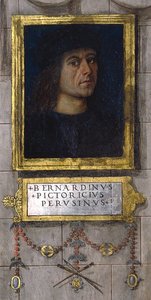
ピントゥリッキオ
1454 - 1513 , イタリア
略歴
- このアーティストに影響を与えた芸術家:
- ペルジーノ
- ボンフィーリ
- フィオレンツォ・ディ・ロレンツォ
- このアーティストに影響を受けた芸術家または運動: ['ラファエロ']
- 代表作:
- システィーナ礼拝堂のフレスコ画
- ボルジア邸の装飾
- 聖アウグスティヌス
- 無題 (739)
- 出生地: イタリア、ペルージャ
- 国籍: イタリア
- 氏名: ベルナルディーノ・ディ・ベット
- 没年月日: 1513
- 生年月日: 1454
- 芸術運動または様式: ルネサンス