

 プレビュー
プレビュー
 シェアする
シェアする シェアする
シェアする
 詳細を見る
詳細を見る

 ダウンロード
 似ている作品
 X線調査
X線調査 スライドショー
Cain and Abel
 Oil On Canvas
- WallArt
- Baroque
 198.0 x 147.0 cm
 ギャラリー・ナショナル・ド・アート・アンティカ
 詳細を見る
詳細を見る
オンラインプレビューをはるかに凌ぐ、高解像度で鮮明なデジタル画像をご購入いただけます。
各ファイルは、社内の専門家が高度なツールと熟練した手作業によるレタッチを用いて、細心の注意を払って準備されています。すべての画像において、卓越した鮮明度、正確な色彩再現性、そして繊細なディテールを保証いたします。
最終ファイルは、プロフェッショナルな編集・印刷環境ですぐにご利用いただけるよう最適化された状態で、72時間以内にメールにてお届けいたします。これは、一流のデザインスタジオ、出版社、ギャラリーから信頼されているものと同等の品質です。
デジタルアート
個人での鑑賞、印刷、クリエイティブなプロジェクト用に、高解像度ファイルをダウンロードできます。 ( プリント版に切り替え 手描き画への切り替え)
デジタル画像のご注文に付随する特典
高品質なデジタル画像配信を、確かな品質で。
OriginalUniqueArt.com を選ぶことは、単に画像を手に入れることではありません。それは、プロの手によって精密に仕上げられ、満足保証が付いた高品質なデジタルアートワークを受け取ることを意味します。ご注文いただいた際に自動的に付随する内容は、以下の通りです:

メールですぐにお届け
ご注文から72時間以内に、高解像度のデジタル画像ファイルがメールでお手元に届きます。すぐにそのままご利用いただけます。

AI技術で最適化されたデジタルファイル
お客様の作品は、高度なAIツールと専門家による手作業の編集を組み合わせてプロフェッショナルに最適化されており、細部のディテール、鮮明さ、そして正確な色再現性を最大限に引き出しています。

一生涯無料の再送サービス
ファイルを誤って削除したり、紛失してしまったりしましたか?ご安心ください。いつでも無料で再送いたします。

輸入手数料は一切かかりません
関税や手数料、配送料を気にすることなく、お気に入りのアートワークをすぐにお楽しみいただけます。デジタルダウンロードは常に免税です。

色彩再現の保証
プロ仕様のツールとカラーマネジメント技術を用いることで、デジタル画像が元の色を最大限に忠実に再現することを保証いたします。

60日間満足保証
ご購入いただいたデジタル画像にご満足いただけない場合は、60日以内であれば、修正または100%の返金(理由を問う必要はありません)をさせていただきます。

100% 返金保証
ご満足いただけない場合は、デジタルファイルを受け取ってから60日以内であれば、理由を問わず全額返金いたします。

まとめ買い割引
3枚購入で10%OFF - 5枚購入で15%OFF - 10枚以上購入で20%OFF。クリエイティブなプロジェクト、ギャラリー、エージェンシーに最適です。
作品の詳細
Cain Killing Abel by Pietro Novelli
This dramatic depiction of the biblical tale recounts the gruesome murder committed by Cain against his brother Abel, capturing the essence of guilt and divine retribution with masterful Baroque artistry. Executed in 1625-1647, this monumental canvas resides within the Scottish National Gallery’s collection, offering visitors a glimpse into Sicilian artistic fervor during its era. ### Artistic Style and Technique Pietro Novelli's style embodies the hallmarks of Caravaggisti influence—a penchant for tenebrism, characterized by stark contrasts between light and dark—creating an emotionally charged atmosphere that dominates the composition. The artist skillfully employs chiaroscuro to sculpt figures from shadow, emphasizing their physicality and conveying a palpable sense of drama. Notice how Novelli’s brushstrokes are loose and expressive, contributing to the painting's textural richness and capturing the immediacy of the violent act. The meticulous attention to detail—particularly in rendering Abel’s lifeless body—demonstrates Novelli’s technical prowess and unwavering commitment to realism. ### Historical Context and Influences Novelli’s work emerged during a period marked by religious fervor and artistic innovation across Europe, mirroring the broader Baroque movement's preoccupation with dramatic narratives and emotional intensity. The visit of Anthony van Dyck to Sicily in 1624 profoundly impacted local artists like Novelli, who absorbed Van Dyck’s refined style and compositional principles. Furthermore, Caravaggio’s groundbreaking use of tenebrism served as a crucial inspiration, shaping Novelli's approach to lighting and shading—a technique that elevates the painting beyond mere representation, imbuing it with spiritual significance. ### Symbolism and Narrative Depth The scene transcends its biblical origins, delving into profound themes of moral transgression and divine judgment. Cain’s posture exudes remorse and fear as he gazes upon Abel's corpse, symbolizing humanity’s vulnerability before God’s wrath. The angel figure reaching out towards Cain represents divine compassion and offers a glimmer of redemption amidst the darkness of sin. The overarching symbolism underscores the painting’s exploration of human fallibility and the consequences of disobedience—a timeless message conveyed with breathtaking visual eloquence. ### Emotional Impact and Legacy “Cain Killing Abel” continues to resonate powerfully with viewers today, eliciting contemplation on themes of guilt, suffering, and divine mercy. Novelli's masterful execution captures not only the gruesome act itself but also its psychological ramifications, prompting reflection on the human condition. Its enduring presence in the Scottish National Gallery ensures that this iconic Baroque masterpiece remains accessible to art enthusiasts and inspires ongoing scholarly discussion about its artistic merit and symbolic significance.作家の略歴
Pietro Novelli: Life and Legacy
Early Life and Training
- Born: Monreale, Italy in 1603.
- Died: Palermo, Sicily in 1647.
- Pietro Novelli, also known as il Monrealese, began his artistic journey under the tutelage of his father, Pietro Antonio Novelli I, a painter and mosaicist.
- Following his father’s death from the bubonic plague in 1625, Novelli continued to develop his skills as an apprentice alongside Gerardo Asturino.
- In 1618, he moved to Palermo and further honed his craft under the guidance of Vito Carrera (1555–1623).
Artistic Development and Influences
- Early Works: Novelli’s earliest documented work dates back to 1626 – St. Anthony Abbot, commissioned for the church of Sant'Antonio Abate in Palermo.
- Key Influences: His style was profoundly shaped by several artistic forces.
- Anthony van Dyck: Van Dyck’s visit to Sicily in 1624 and his altarpiece, the Madonna of the Rosary, significantly impacted local artists, including Novelli.
- Caravaggisti/Tenebrists: The dramatic use of light and shadow (tenebrism) prevalent in Neapolitan painting, particularly that of Ribera, also influenced his work.
- Novelli’s style blended these influences to create a uniquely Sicilian Baroque aesthetic.
Major Works and Commissions
- Novelli received numerous commissions from both religious institutions and the Sicilian nobility.
- Religious Paintings: He created works for many churches in Piana degli Albanesi, including Santa Zita in Monreale.
- Refectory Painting: A notable commission was the Marriage of Cana, painted for the refectory of the Benedictines in Monreale.
- He also produced portraits and other decorative paintings for villas belonging to prominent Sicilian families.
Artistic Style and Characteristics
- Dynamic Compositions: Novelli’s paintings are characterized by their energetic compositions and dramatic flair.
- Chiaroscuro: He masterfully employed the technique of chiaroscuro – the strong contrast between light and dark – to create a sense of drama and realism.
- Baroque Sensibility: His work embodies the Baroque aesthetic, emphasizing emotion, movement, and grandeur.
Legacy and Historical Significance
- Pietro Novelli was a leading figure in Sicilian Baroque painting, earning him the nickname “the Raphael of Sicily.”
- Pupils: He trained several notable artists, including Francesco Maggiotto, Francesco Giselli, Michele Blasco, and Vincenzo Marchese.
- His work helped to establish a distinct Sicilian Baroque style that flourished in the 17th century.
- Though his life was cut short by injuries sustained during a revolution in Palermo in 1647, Novelli left behind a significant body of work that continues to be admired for its artistic merit and historical importance.
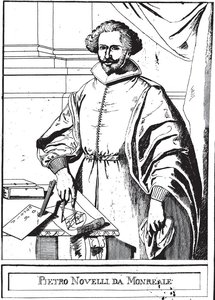
Pietro Novelli
1603 - 1647 , Italy
プロフィール概要
- Birth Date: 1603-03-02
- Birth Place: Monreale, Italy
- Death Date: 1647-08-27
- Influenced:
- Francesco Maggiotto
- Francesco Giselli
- Michele Blasco
- Vincenzo Marchese
- Giacomo lo Verde
- Influenced By:
- Vito Carrera
- Anthony van Dyck
- Caravaggisti (Ribera)
- Movement: Baroque
- Name: Pietro Novelli
- Nationality: Italian
- Notable Works:
- St. Anthony Abbot
- Marriage of Cana
- Ecstasy of St. Francis
- Portrait of a Young Man with an Earring
- Cain and Abel

