

 設置イメージを確認
 送る
送る シェア
シェア
 詳細情報
詳細情報 ガイドを表示

 画像をダウンロード
 似ている作品
 X線調査
X線調査 スライドショー
 統計情報
統計情報The Dancing Lesson
 Acrylic On Canvas
- WallArt
- Venetian Genre
 1741
1741 61.0 x 51.0 cm
 Gallerie dell’Accademia
 続きを読む
続きを読む
ジークレー/アートプリント
スピーディーな制作と多彩な仕上げオプションが魅力の、ミュージアムクオリティなジークレー・キャンバスプリント。 ( 手描きの複製画を注文する デジタル画像販売へ切り替え)




P118B ¥10

P118H ¥10

P118W ¥10

P438Z ¥10

P508JH ¥12

P508YH ¥12

P805H ¥10

P805Z ¥10

P919BZ ¥10

P919G ¥10

P919XJ ¥10

P959ZH ¥10

P968JZ ¥12

W106C ¥8

W218G ¥10

W218JH ¥8

W218Y ¥10

W307PJ ¥10

W316G ¥10

W316PJ ¥8

W316Y ¥10

W398PJ ¥8

W4111J ¥10

W500HY ¥15

W500JH ¥15

W692G ¥12

W849H ¥8

W940BG ¥15

W953PJ ¥8




作品のオリジナル比率に合わせた、当店の規定サイズからお選びください。

額縁や壁のスペースに合わせて、ご希望の幅と高さを入力してください。プリントはカットすることは可能ですが、元の画像より大きくすることはできないため、異なる比率のサイズを選択された場合は、画像の一部が欠けることになります。印刷を開始する前に、内容を確認していただくためのデジタルモックアップをお送りいたします。このページに表示されている画像は、実際のカット後の状態を示すものではありません。実際の仕上がりはモックアップにてご確認ください。


 ガラスオプションは、110cm未満のサイズでのみご利用いただけます。

The Dancing Lesson
ジークレー/アートプリント
複製画サイズ一覧
-


合計金額
¥ 12596
A Glimpse into Venetian Life: The Dance Lesson
Pietro Longhi’s “The Dancing Lesson,” painted in 1741, isn't merely a depiction of an indoor scene; it’s a meticulously crafted window into the vibrant social fabric of 18th-century Venice. Far removed from the grand narratives favored by many of his contemporaries, Longhi chose to capture the quiet dramas unfolding within bourgeois homes – a deliberate departure that cemented his reputation as the “Venetian Hogarth.” This painting, housed in the National Gallery of Art, offers an intimate portrait of a social gathering, brimming with subtle details and a captivating sense of everyday life.
The scene unfolds within a modestly furnished room, dominated by a pair of ornate couches that anchor the composition. A young woman, dressed in a flowing white gown, stands poised on a stage-like platform, clearly the focus of attention. Around her, a carefully arranged group – a man standing behind her, and two others positioned to the right – suggests a private lesson or performance. The inclusion of a chair near the bottom left corner hints at a more relaxed atmosphere, while the overall lighting, diffused through a window, creates an inviting warmth. Longhi’s masterful use of perspective draws the viewer into this domestic tableau, making us feel like silent observers of a commonplace yet charming moment.
The Artist and His Venetian World
Pietro Longhi (1701-1785), born Pietro Falca in Venice, was an artist deeply rooted in his city. Unlike the established painters who favored historical or mythological subjects, Longhi dedicated himself to capturing the nuances of Venetian life – a remarkable shift that earned him recognition for his witty genre paintings. His early training under Antonio Balestra provided a solid foundation in traditional techniques, which he skillfully blended with his own innovative approach. Longhi’s work reflects a keen interest in the social customs and behaviors of his time, offering a unique perspective on the lives of Venetian citizens.
His biography reveals a man who deliberately distanced himself from the grand narratives of his era, choosing instead to document the everyday experiences of ordinary Venetians. He wasn’t simply painting portraits; he was chronicling social interactions, capturing the subtle gestures and expressions that defined their world. This commitment to realism, combined with his distinctive style, established Longhi as a pivotal figure in Venetian art history.
Symbolism and Technique
Longhi's technique is characterized by a remarkable attention to detail and a masterful command of light and shadow. He employs a loose, expressive brushstroke that lends the scene a sense of immediacy and spontaneity. The use of color is particularly noteworthy – the vibrant hues of the dancers’ gowns contrast beautifully with the muted tones of the furniture and walls, drawing the eye to the central figures. The composition itself is carefully balanced, creating a harmonious and engaging visual experience.
Beyond the surface details, “The Dancing Lesson” is rich in symbolism. The setting – a room filled with couches and chairs – suggests a space of leisure and social interaction. The dancers themselves represent the pursuit of pleasure and refinement, while their gestures and expressions reveal a complex interplay of emotions. Even the inclusion of seemingly mundane objects—the chair, the couch—contributes to the painting’s overall narrative, offering clues about the lives and customs of 18th-century Venetians.
A Legacy of Venetian Realism
Pietro Longhi's “The Dancing Lesson” stands as a testament to his unique artistic vision. It is a captivating portrayal of everyday life in Venice, offering a glimpse into the social customs and behaviors of the era. His work paved the way for future generations of artists who sought to capture the nuances of Venetian society with wit and realism. Today, this painting continues to resonate with viewers, reminding us of the enduring power of art to illuminate the human experience.
よくあるご質問
「The Dancing Lesson」は、いつ、どのような技法と素材で制作されましたか?
「The Dancing Lesson」は、1741年にAcrylic On Canvasで制作されました。
ピエトロ・ロンギ作「The Dancing Lesson」 の色彩の鮮やかさはどの程度ですか?
「The Dancing Lesson」の彩度はMonochromaticです。彩度とは、色の鮮やかさの度合いを表します。
ピエトロ・ロンギ作「The Dancing Lesson」は、Venetian Genreにおいてどのような情緒を表現していますか?
「The Dancing Lesson」のVenetian Genre様式には、Reflectiveな感情が添えられています。
アーティストについて
ヴェネツィアの日常生活を記録した画家、ピエトロ・ロンギ
ピエトロ・ロンギは1701年11月5日、ヴェネツィアでピエトロ・ファルカという名前で生まれました。彼は壮大な歴史的物語や神話的な場面を描くのではなく、街の優雅な家々や賑やかな通りで繰り広げられる静かなドラマを捉えました。彼は18世紀のヴェネツィアンの人々の生活を垣間見ることができる、ウィットに富んだジャンル画で知られるようになり、当時の主流の芸術的傾向からの脱却となりました。銀細工師アレッサンドロ・ファルカの息子であるロンギは、ヴェローナの画家アントニオ・バレストラの下で初期の訓練を受けました。バレストラは彼の才能を認め、育成しました。この伝統的な技術の基礎は、後に彼が選んだ主題に革新性をもたらすための微妙な対比として役立ちます。ロンギは芸術キャリアを始めた際に「ロンギ」という姓を採用し、父親の職業から絵画への情熱へと象徴的に転換しました。宗教的な場面からヴェネツィアの内装へ
ロンギの初期作品は、当時の期待を反映していました。祭壇画や宗教的主題が彼の初期ポートフォリオを占めていました。1732年のサン・ペレグリーノ教会のための祭壇画は、壊れた筆致と鮮やかな色彩のグラデーションなど、ヴェネツィア絵画の特徴的な伝統的な技術の習熟度を示しています。しかし、1730年代後半になってロンギは真に彼の声を見出し、彼の遺産を定義することになる小規模なジャンルシーンへとシフトしました。この移行は単なる主題の変化ではありませんでした。それは時代の高まりつつある社会的・文化的な変化への意識的な取り組みを表していました。18世紀には、ブルジョワ階級の私生活に対する関心が高まり、家庭や日常生活のリチュアルに焦点が当てられました。ロンギは巧みにこの変化を捉え、チャーミングで微妙な風刺とともにヴェネツィア社会への窓を提供しました。彼は1732年にカテリーナ・マリア・リッツィと結婚し、11人の子供をもうけましたが、成人に達したのはわずか3人でした。彼の私生活は直接的に彼の芸術に反映されていませんでしたが、彼が頻繁に描いた家庭圏への理解を深めたことは間違いありません。「ヴェネツィアのホガース」と風刺的な視点
ロンギはすぐに「ウィリアム・ホガース」という称号を獲得し、それは一見無害なシーンに社会的なコメントの層を織り込む彼の能力の証でした。ホガースのように、ロンギも人間の欠点や社会の矛盾を描くことをためらいませんでした。しかし、ホガースの風刺はしばしば率直で道徳的でしたが、ロンギの風刺はより微妙で、優しい皮肉に満ちていました。彼の絵画には仮面をつけた人物が溢れており、それはヴェネツィアの遍在するカーニバルのお祝いへのうなずきであり、ギャンブルや求愛から秘密の会議や疑わしい取引まで、さまざまな活動に従事しています。たとえば、『手紙』は、暗示された不適切さに満ちたシーンを提示し、ヴェネツィア社会の隠れた流れを示唆しています。彼は単に人生をありのままに記録していたのではありません。彼はその複雑さと矛盾に対する巧妙なコメントを提供していました。これらの微妙さを捉える能力こそが彼を際立たせ、彼のジャンルシーンを単なるドキュメンテーションから洞察力に富んだ社会観察へと高めています。技法、影響、そして永続的な遺産
ロンギの技法は、彼の主題と同じくらい独特でした。彼は小さなキャンバスを好んで使い、繊細なタッチと鋭いディテールへのこだわりで丁寧に描きました。彼の内装は柔らかな光に包まれ、親密さとリアリズムの雰囲気を作り出しています。彼はテクスチャを描く並外れた能力を持っていました。絹の光沢、木の粗さ、生地の微妙な折り目はすべて、シーンに深みと信憑性を加えています。ジュゼッペ・マリア・クレスピのような初期のヴェネツィアの巨匠の影響を受けていますが、ロンギは独自の道を切り開き、ジャンル絵画における後々の発展を予見しました。彼の作品は同時代の聴衆から共感を呼び、彼らは彼がその時代の精神を捉える能力に感謝しました。彼は1763年から絵画と彫刻アカデミーのディレクターを務め、ヴェネツィアのアート界における彼の地位をさらに確固たるものにしました。彼の息子アレッサンドロ・ロンギも画家になり、後期の肖像画制作を手伝いました。ピエトロ・ロンギは1785年5月8日に亡くなり、今日でも人々を魅了し続ける作品群を残しました。彼はヴェネツィアの歴史において不可欠な人物であり、観察力、ウィット、技術的なスキルが融合した真の18世紀の生活の記録者として称賛されています。代表作
- 仕立て屋 (Gallerie dell'Accademia, Venice)
- 洗礼式 (Fondazione Querini Stampalia, Venice)
- アトリエで絵を描く画家 (Ca’ Zenobio, Venice)
- コンサート
- 詐欺師
- サイカノスの展示会 (National Gallery, London)

ピエトロ・ロンギ
1701 - 1785 , イタリア
アーティスト情報
- Artistic Movement Or Style: ヴェネツィア派、ロココ
- Artists Or Movements Influenced By This Artist: ['ウィリアム・ホガース']
- Artists Who Influenced This Artist:
- アントニオ・バレスタ
- ジュゼッペ・マリア・クレスピ
- Date Of Birth: 1701年11月5日
- Date Of Death: 1785年5月8日
- Full Name: ピエトロ・ロンギ
- Nationality: イタリア人
- Notable Artworks (List Of Titles):
- 仕立屋
- 洗礼
- 画室の画家
- Place Of Birth (City And Country): イタリア、ヴェネツィア
関連記事

Reflecting Nobility & Nuance: 18th-Century Portraiture as a Window into Societal Values
Explore the world of 18th-century portraiture with OriginalUniqueArt. Discover symbolism, artistic innovation & societal values reflected in masterpieces by Reynolds, Hogarth & more. Expert insights for collectors.

Pietro Longhi's Venetian Scenes: A Study of Rococo Society & Domestic Life
Explore the captivating world of Pietro Longhi's Venetian scenes! Discover insightful analysis of his Rococo masterpieces & social commentary on 18th-century life. Learn about this 'Venetian Hogarth' and his lasting artistic legacy.
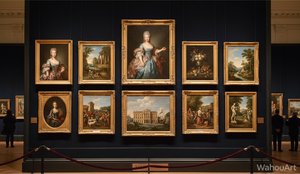
18th Century Masters: 10 Artworks That Define an Era | OriginalUniqueArt
Journey through 18th century art! Explore 10 iconic paintings – from Rococo elegance to Neoclassical grandeur. Discover Fragonard, David & more. Find museum-quality reproductions and elevate your home decor on OriginalUniqueArt.com.
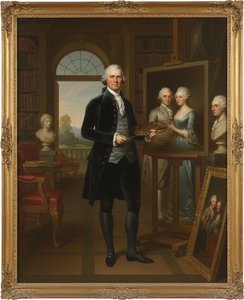
Sir Nathaniel Dance-Holland: Portraiture, Patronage & Georgian Identity
Explore the life & art of Sir Nathaniel Dance-Holland, a leading Georgian portraitist. Discover his masterful technique, influential patrons, and lasting impact on 18th-century British society. A guide for discerning collectors.
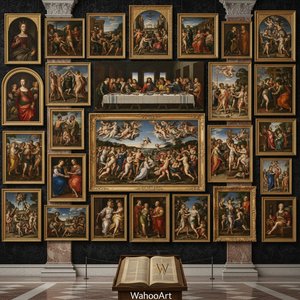
ジャコポ・ティンコレット:至高の25選 – ヴェネツィア巨匠のドラマと光の世界 | OriginalUniqueArt
ジャコポ・ティンコレットの至高の25選。ドラマと光の世界を彩るヴェネツィア派巨匠の名画を紐解きます。ルネサンス絵画からバロック絵画まで、OriginalUniqueArtで高品質な複製画やインテリアアートを見つけましょう。傑作コレクションをオンラインで探求してください。