

 設置イメージを確認
 送る
送る シェア
シェア
 詳細情報
詳細情報 ガイドを表示

 画像をダウンロード
 似ている作品
 X線調査
X線調査 スライドショー
 統計情報
統計情報The Assumption


 続きを読む
続きを読む
手描き油彩複製画
当社のアーティストが、お客様のご希望のサイズと額縁に合わせて、キャンバスに手描きで制作する油彩画です。 ( プリント版に切り替え デジタル画像販売へ切り替え)




P118B ¥10

P118H ¥10

P118W ¥10

P438Z ¥10

P508JH ¥12

P508YH ¥12

P805H ¥10

P805Z ¥10

P919BZ ¥10

P919G ¥10

P919XJ ¥10

P959ZH ¥10

P968JZ ¥12

W106C ¥8

W218G ¥10

W218JH ¥8

W218Y ¥10

W307PJ ¥10

W316G ¥10

W316PJ ¥8

W316Y ¥10

W398PJ ¥8

W4111J ¥10

W500HY ¥15

W500JH ¥15

W692G ¥12

W849H ¥8

W940BG ¥15

W953PJ ¥8




作品のオリジナル比率に合わせた、当店の規定サイズからお選びください。

フレームや壁のスペースに合わせて、ご希望の幅と高さを入力してください。本作品は手描きのため、異なる比率のサイズをご希望の場合、絵画の周囲を少し広げて描くか、あるいは端を少しカットして調整することが可能です。お客様のご要望に合わせます。制作を開始する前に、仕上がりを確認するためのデジタルモックアップをお送りいたします。このページに表示されている画像は完成品の実物ではなく、あくまでモックアップによるイメージです。
ご注文後、OriginalUniqueArt.com チームより詳細な指示をお送りするとともに、仕上がりイメージ(モックアップ)をご提供いたします。


 ガラスオプションは、110cm未満のサイズでのみご利用いただけます。

The Assumption
再現技法
複製画サイズ一覧
-


合計金額
¥ 47215
The Assumption by Pietro Bernini
Pietro Bernini’s “The Assumption,” completed between 1607 and 1610, stands as one of the most iconic representations of Marian devotion within the Baroque artistic tradition. Situated in Santa Maria Maggiore Basilica, Rome—a site steeped in papal history and religious significance—the sculpture embodies Bernini's unparalleled mastery of marble carving and his profound understanding of theatrical composition. It’s a monumental work that transcends mere depiction; it strives to convey an experience of transcendent beauty and spiritual awe.- Subject Matter: The sculpture portrays the Virgin Mary ascending into heaven, embodying the Catholic dogma concerning her immaculate conception and glorious resurrection. This event is central to Christian theology, symbolizing divine grace and redemption.
- Style & Technique: Bernini’s approach aligns perfectly with the Baroque aesthetic—characterized by dynamism, dramatic lighting, and emotional intensity. He employs a technique known as “contrapposto,” where Mary’s torso tilts slightly away from the viewer, creating an illusion of movement and conveying her serene dignity. The sculpture utilizes meticulous detail to capture the folds of Mary's robes, the delicate expressions on her face, and the intricate patterns adorning the angelic figures surrounding her.
- Historical Context: Created during Pope Paul V’s reign—a period marked by fervent piety and artistic patronage—the Assumption reflects the broader cultural climate of Rome at the time. Bernini's commission was driven by a desire to elevate the basilica’s spiritual stature and solidify papal authority. The sculpture served as a powerful symbol of papal piety and divine providence.
- Symbolism: The sculpture is laden with symbolic references. Mary’s outstretched hand gestures towards God, signifying prayer and supplication—a gesture that underscores humanity's yearning for divine grace. The radiant halo encircling Mary’s head symbolizes her holiness and divinity, while the angelic figures convey reverence and adoration. The clouds beneath Mary represent heaven itself, emphasizing the ascension into eternal glory.
- Emotional Impact: “The Assumption” aims to inspire contemplation and evoke a profound emotional response in viewers. Bernini's masterful manipulation of marble creates an illusion of palpable movement—drawing the eye upwards towards Mary’s figure and immersing the spectator in a realm of ethereal beauty. The sculpture’s grandeur and meticulous detail serve as testament to Bernini’s artistic genius, leaving visitors breathless with wonder and reverence.
よくあるご質問
Pietro Bernini作「The Assumption」を異なる照明の下で見ることはできますか?
Pietro Bernini作「The Assumption」のX線ビューは、作品のX線解析ページでご覧いただけます。11層の光学レイヤーを通じて画像をインタラクティブに解析できる、詳細な検証機能です。
「The Assumption」の色同士は、どのように調和していますか?
「The Assumption」の色彩の調和は、Strong Color Unityと表現されます。
「The Assumption」にはどのような色が使われていますか?
「The Assumption」の色調は、Neutralsなパレットを構成しています。この分類は、主要な色相のグループを表しています。
アーティストについて
Pietro Bernini: Life and Legacy
Early Life and Training
- Born: Sesto Fiorentino, Tuscany, Italy in 1562.
- Pietro Bernini emerged during the late Mannerist period, a time of stylistic transition in Italian art. His early training likely involved exposure to the prevailing artistic trends of Florence, characterized by elegance and refinement.
- Details regarding his initial apprenticeship remain somewhat scarce, but it’s understood he developed foundational skills in sculpture before relocating to Naples.
Naples and Family Beginnings
- Bernini moved to Naples to contribute to the artistic embellishment of the Certosa di San Martino, a significant religious complex.
- Significant Event: It was in Naples that he met and married Domenica Pizzuti, and their son, the future Baroque master Gian Lorenzo Bernini, was born in 1598.
- This period marked a crucial turning point, laying the groundwork for a family dynasty of artists.
Rome and Papal Patronage
- Relocation: In 1605, the Bernini family relocated to Rome under the protection of Cardinal Scipione Borghese, a powerful figure in the Roman art world.
- Pietro quickly secured commissions from Pope Paul V (also a Borghese), contributing to projects such as the Pauline Chapel within the Basilica of Santa Maria Maggiore. This marked his entry into the heart of Roman artistic activity.
- Influence: The patronage of the Borghese family proved instrumental in establishing Pietro’s career and providing opportunities for both him and, eventually, his son.
Major Works and Artistic Style
- Fontana della Barcaccia: Perhaps his most celebrated work, the Fontana della Barcaccia (Fountain of the Old Boat) at the foot of the Spanish Steps in Rome. Completed in 1627, it’s a striking example of Baroque ingenuity, resembling a beached ship.
- Other Notable Works: Contributions to the Fountain of Neptune in Naples (completed between 1600-1601), and sculptural work within Santa Maria Maggiore.
- Artistic Style: Pietro’s style blended Mannerist elegance with emerging Baroque dynamism. His sculptures often exhibit a sense of movement, emotional intensity, and dramatic flair.
Collaboration and Legacy
- Early Collaboration with Gian Lorenzo: Pietro initially collaborated with his son on projects like the Boy with a Dragon (1617), showcasing early signs of Gian Lorenzo’s exceptional talent.
- Shift in Roles: As Gian Lorenzo's abilities surpassed his own, Pietro willingly transitioned into a supportive role, often acting as an assistant to his son. This demonstrates a remarkable level of artistic maturity and familial dedication.
- Historical Significance: While overshadowed by his son’s immense fame, Pietro Bernini played a vital role in shaping the Roman Baroque landscape. His work paved the way for Gian Lorenzo's groundbreaking achievements and contributed to the flourishing of art during this period.
- Death: Pietro Bernini died in Rome in 1629 at the age of 67, leaving behind a legacy as both a skilled sculptor and the father of one of history’s greatest artists.

Pietro Bernini
1562 - 1629 , Italy
アーティスト情報
- Name: Pietro Bernini
- Movement: Mannerism, Baroque
- Birth Date: 1562
- Death Date: 1629
- Influenced: Gian Lorenzo Bernini
- Birth Place: Sesto Fiorentino, Italy
- Nationality: Italian
- Date Of Birth: 1562
- Date Of Death: 1629
- Notable Works: Fontana della Barcaccia, Saint Martin dividing his cloak
- Place Of Birth: Sesto Fiorentino, Italy
関連記事
Mastering Dimension: An Art Historian's Guide to the Elegance of Sculptural Relief Art
Explore the profound beauty of sculptural relief art. From classical bas-relief to modern geometric textures, discover how depth and light transform spaces through an expert guide on art history and sophisticated curation for discerning collectors.

Bronze Sculptures That Defined Art History | OriginalUniqueArt
Journey through art history with our Top 10 bronze sculptures! Explore masterpieces by Rodin, Michelangelo & more. Discover stories behind iconic statues and find museum-quality reproductions for your home decor at OriginalUniqueArt.com.

The Enduring Form: Exploring Themes & Techniques in Sculpture Across Historical Periods
Explore the rich history of sculpture from ancient masterpieces to contemporary innovations. Discover key techniques, influential artists & investment potential for discerning art collectors.
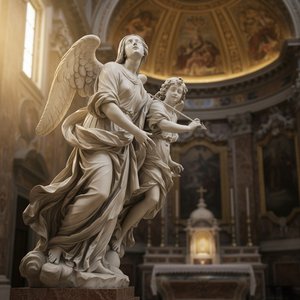
Gian Lorenzo Bernini: Sculpting Baroque Emotion & the Roman Imagination
Explore the life & revolutionary art of Gian Lorenzo Bernini, the master sculptor of the Baroque era. Discover his iconic works like David and Ecstasy of Saint Teresa – a journey into Roman artistic genius.

The Enduring Allure of Marble in Art History: From Classical Sculpture to Modern Abstraction
Explore the captivating history of marble sculpture from ancient Greece to modern art. Discover renowned artists like Canova & Michelangelo, carving techniques, and investment insights at OriginalUniqueArt.