

 設置イメージを確認
 送る
送る シェア
シェア
 詳細情報
詳細情報 ガイドを表示

 画像をダウンロード
 似ている作品
 X線調査
X線調査 スライドショー
 統計情報
統計情報Paying the Hostess
 Oil On Canvas
- WallArt
- Baroque
 1670
1670 95.0 x 111.0 cm
 メトロポリタン美術館
 続きを読む
続きを読む
手描き油彩複製画
当社のアーティストが、お客様のご希望のサイズと額縁に合わせて、キャンバスに手描きで制作する油彩画です。 ( プリント版に切り替え デジタル画像販売へ切り替え)




P118B ¥10

P118H ¥10

P118W ¥10

P438Z ¥10

P508JH ¥12

P508YH ¥12

P805H ¥10

P805Z ¥10

P919BZ ¥10

P919G ¥10

P919XJ ¥10

P959ZH ¥10

P968JZ ¥12

W106C ¥8

W218G ¥10

W218JH ¥8

W218Y ¥10

W307PJ ¥10

W316G ¥10

W316PJ ¥8

W316Y ¥10

W398PJ ¥8

W4111J ¥10

W500HY ¥15

W500JH ¥15

W692G ¥12

W849H ¥8

W940BG ¥15

W953PJ ¥8




作品のオリジナル比率に合わせた、当店の規定サイズからお選びください。

フレームや壁のスペースに合わせて、ご希望の幅と高さを入力してください。本作品は手描きのため、異なる比率のサイズをご希望の場合、絵画の周囲を少し広げて描くか、あるいは端を少しカットして調整することが可能です。お客様のご要望に合わせます。制作を開始する前に、仕上がりを確認するためのデジタルモックアップをお送りいたします。このページに表示されている画像は完成品の実物ではなく、あくまでモックアップによるイメージです。
ご注文後、OriginalUniqueArt.com チームより詳細な指示をお送りするとともに、仕上がりイメージ(モックアップ)をご提供いたします。


 ガラスオプションは、110cm未満のサイズでのみご利用いただけます。

Paying the Hostess
再現技法
複製画サイズ一覧
-


合計金額
¥ 55540
A Quiet Moment in Delft: Pieter de Hooch’s “Paying the Hostess”
Pieter de Hooch's "Paying the Hostess," painted around 1670, isn’t merely a depiction of a transaction; it’s a masterful distillation of Dutch Golden Age life—a fleeting glimpse into the subtle social dynamics and quiet elegance of a Delft inn. The painting immediately draws the eye with its luminous quality, achieved through de Hooch's signature use of light and shadow, creating an atmosphere both intimate and subtly charged. It’s a scene brimming with unspoken narratives, inviting viewers to become silent observers of this private moment within a bustling world. De Hooch was a pivotal figure in the Delft School of painting, known for his ability to capture the essence of domestic life—not grand portraits or heroic scenes, but rather the everyday rituals and interactions that shaped the lives of the burgeoning middle class. His work stands apart through its remarkable realism, capturing not just appearances but also the nuances of human behavior and the play of light on surfaces.The Composition: A Dance of Observation
The composition itself is a testament to de Hooch’s skill. The scene unfolds within what appears to be a modest inn yard—a space simultaneously public and private. A smartly dressed gentleman, likely a wealthy merchant or official, stands poised before a young woman, presumably the hostess, as she presents him with a bill. Their hands are subtly overlapping, creating an immediate visual tension – a delicate dance of negotiation and perhaps even flirtation. The background is deliberately blurred, populated by other patrons engaged in their own conversations and activities—a lively tableau that hints at the inn’s vibrant atmosphere without distracting from the central drama. Notice how de Hooch uses architectural details—the rough-hewn beams of the barn, the simple wooden furniture, the straw bales – to ground the scene in a tangible reality. The placement of figures within the space is carefully considered, creating depth and guiding the viewer’s eye through the composition.Technique and Style: Light, Shadow, and Texture
De Hooch's technique is characterized by its meticulous attention to detail and his masterful manipulation of light. He employed a technique known as *chiaroscuro*, using strong contrasts between light and shadow to create a sense of volume and drama. The light streams in from the open doorway on the left, illuminating the figures and casting long shadows across the yard, adding depth and atmosphere. The artist’s brushwork is remarkably subtle—a delicate layering of paint that creates a rich texture without sacrificing clarity. You can almost feel the roughness of the wooden surfaces, the warmth of the straw bales, and the softness of the fabrics. This textured approach adds to the painting's realism and invites close inspection. The use of muted colors – browns, grays, and ochres – further enhances the sense of atmosphere and contributes to the painting’s overall mood.Symbolism and Context: A Glimpse into Dutch Society
“Paying the Hostess” offers a fascinating window into 17th-century Dutch society. The scene is not simply about settling an account; it's laden with symbolic meaning. The overlapping hands of the couple suggest a complex interplay of power, attraction, and social expectations. In Dutch art of this period, such interactions often carried connotations of flirtation and even illicit desire – a subtle commentary on the constraints and freedoms of the time. The presence of other guests in the background underscores the importance of social interaction within the community. The inclusion of the delivery boy with sheaves of wheat hints at the economic realities of rural life—the exchange of goods and services that underpinned the prosperity of the region. The painting reflects a shift towards a more secular, bourgeois culture, where commerce and social interactions were increasingly valued alongside religious piety.Emotional Resonance: A Moment Frozen in Time
Ultimately, “Paying the Hostess” is a profoundly evocative work of art. It’s not a grand statement or a dramatic event; it's a quiet moment—a snapshot of everyday life that captures something essential about the human condition. The painting invites us to contemplate the complexities of social interaction, the subtle nuances of human relationships, and the beauty found in the ordinary. It possesses a timeless quality, resonating with viewers across centuries because it speaks to universal themes of connection, negotiation, and the quiet dramas that unfold within our daily lives. It’s a piece that rewards careful observation and invites repeated viewing, revealing new layers of meaning with each encounter.よくあるご質問
ピーテル・デ・ホーホ作「Paying the Hostess」の形式には、どのような配置が適していますか?
Landscapeの形状を活かした「Paying the Hostess」の複製画は、Living Roomに飾るのがおすすめです。
「Paying the Hostess」の色同士は、どのように調和していますか?
ピーテル・デ・ホーホ作「Paying the Hostess」は、Unified Paletteな色彩の調和を見せています。
ピーテル・デ・ホーホ作「Paying the Hostess」の向き(横長・縦長)はどちらですか?
ピーテル・デ・ホーホ作「Paying the Hostess」はLandscape形式です。この形式は、構図の比率を表しています。
アーティストについて
生い立ちと修行時代
ピーテル・デ・ホーホは、オランダ黄金時代を代表する巨匠の一人として、1629年12月20日、ネーデルラントのロッテルダムに生を受けました。煉瓦職人のヘンドリック・ヘンドリックスス・デ・ホーホと、助産師のアネット・ピータースの間に生まれた五人兄弟の長男です。彼の若き日の詳細については謎に包まれている部分も多いものの、ロッテルダム、デルフト、そしてアムステルダムといった都市で活動していたことが知られています。デ・ホーホの芸術的な研鑽は、風景画家ニコラス・ベルヘムのもと、ハールレムにてヤコブ・オハテルヴェルトと共に受けられました。この修行時代こそが、後に彼が代名詞とする、開かれた扉の向こうへと視線を誘うような、静謐な室内風景を描き出すための揺るぎない礎となったのです。芸術的スタイルと主題
デ・ホーホの作品を語る上で欠かせないのは、細部への徹底したこだわり、自然主義的な描写、そして光の魔法のような使い手であることです。彼の絵画はしばしば日常の営みを捉え、台頭しつつあった中産階抹階級の価値観や憧憬を映し出していました。その卓越したスタイルの象徴とも言えるのが、「デルフトの家の中庭」(1658年)です。この作品には、ありふれた日常の細かな機微を捉える彼の類まれな才能が凝縮されています。また、デ・ホーホの作品はエマニュエル・デ・ウィッテと主題や構図において共通点を持っていますが、人物とその間に流れる人間関係に焦点を当てる点において、彼は独自の地位を確立しています。その情熱は、「乳児に授乳する女」(1658年)や「膝に赤ん坊を乗せた女」(1658年)といった、家庭的な情景への深い洞察に満ちた作品群からも鮮明に見て取ることができます。代表作とその遺産
デ・ホーホの輝かしい業績の中でも、特に特筆すべき作品には以下のようなものがあります:- 「陽気な飲み手」(1650年頃)
- 「陽光差し込む部屋でのカード遊び」(1658年)
- 「少年のためにパンとバターを用意する女」(1661年)
美術館とコレクション
デ・ホーホの傑作は世界各地の美術館に収蔵されています。その中には、15世紀から20世紀に至るまでの膨大なヨーロッパ美術を誇るベルギーのアントワープ、王立美術館(Koninklijk Museum voor Schone Kunsten)も含まれています。ピーテル・デ・ホーホとその作品について、OriginalUniqueArtでさらに詳しく探索しましょう: [https://OriginalUniqueArt.com/@/pieter-de-hooch](https://OriginalUniqueArt.com/@/pieter-de-hooch) /ja/art/show/art-d3b4kt-ja/ (ベルギー王立美術館の至宝を体験する)
ピーテル・デ・ホーホ
1629 - 1694 , オランダ
アーティスト情報
- Artistic Movement Or Style: デルフト派、オランダ黄金時代
- Artists Or Movements Influenced By This Artist: ['ヤン・フェルメール']
- Artists Who Influenced This Artist: ['ニコラス・ベルヘム']
- Date Of Birth: 1629年12月20日
- Full Name: ピーテル・ヘンドリックスス・デ・ホーホ
- Nationality: オランダ
- Notable Artworks:
- 空のグラス
- 手紙を読む女
- 陽光の差し込む部屋のカード遊びをする人々
- パンとバターを用意する女性
- Place Of Birth: オランダ、ロッテルダム
関連記事

Golden Age Reflections: Dutch Baroque Painting & Cultural Innovation
Explore the Dutch Golden Age of painting! Discover key artists like Vermeer & ter Borch, their innovative techniques, and the rich cultural context behind these Baroque masterpieces. Learn about collecting & appreciating this iconic art period.

ゴヤ傑作25選:スペインの魂を揺さぶる、深遠な芸術の世界 | OriginalUniqueArt
ゴヤ傑作25選:ロマン主義を代表するスペインの巨匠、フランシスコ・デ・ゴヤの世界へ。黒衣の女からマハまで、魂を揺さぶる絵画の物語と技法を紐解きます。OriginalUniqueArtで高品質なアートレプリカを見つけ、インテリアに深みと風格を。今すぐコレクションをご覧ください。
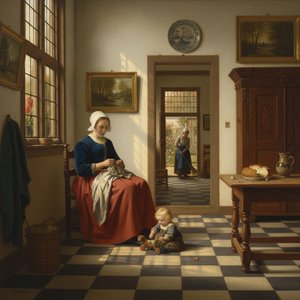
Pieter de Hooch: Illuminating Dutch Domestic Life & Golden Age Charm
Explore the captivating world of Pieter de Hooch, a master of Dutch Golden Age painting. Discover his innovative use of light, intimate domestic scenes, and lasting influence on art history. Learn more at OriginalUniqueArt.

Willem van de Velde the Elder: Master of Maritime Painting & Chronicler of the Dutch Golden Age
Discover the captivating maritime paintings of Willem van de Velde the Elder, a master chronicler of the Dutch Golden Age. Explore his unparalleled realism and lasting influence on naval art history.

黄金世紀の巨匠たち:バロック絵画が彩る10選|OriginalUniqueArt
オランダ黄金時代の10大傑作を紐解く!レンブラント、フェルメール…バロック絵画の魅力と時代背景を深く探求。OriginalUniqueArtで、至高のアートコレクションと空間演出のヒントを見つけよう。高品質なアートプリントで、お部屋を華やかに。
