() ·

A painting made for you, by hand

Desidia (Sloth), 1557

手描き油彩複製画

当社のアーティストが、お客様のご希望のサイズと額縁に合わせて、キャンバスに手描きで制作する油彩画です。 ( プリント版に切り替え デジタル画像販売へ切り替え)

コレクション詳細

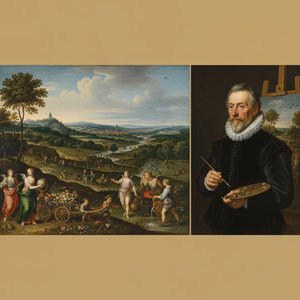
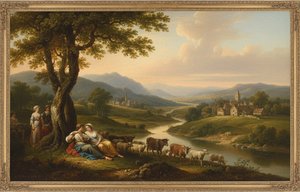
A bustling tableau of idle luxury and moralizing chaos unfolds in Pieter Bruegel the Elder's 1557 masterpiece Desidia, inviting you to explore the profound depths of this Renaissance classic for your private collection.

アーティストプロフィール

16世紀のフランドル画家、ピーテル・ブリューゲル。農民生活や風景を独自の視点で描き出し、大胆な構図と緻密な描写で時代を彩りました。『農夫の結婚』『死の勝利』など、今日でも多くの人々に愛される傑作を残しています。

from ·

Chapter 1

How large should it be?

Slide to change the size; the picture on the left shows the frame at its real width. The proportions of the original are kept.

標準サイズ
カスタムサイズ
CM
INCH

作品のオリジナル比率に合わせた、当店の規定サイズからお選びください。

横幅
高さ

フレームや壁のスペースに合わせて、ご希望の幅と高さを入力してください。本作品は手描きのため、異なる比率のサイズをご希望の場合、絵画の周囲を少し広げて描くか、あるいは端を少しカットして調整することが可能です。お客様のご要望に合わせます。制作を開始する前に、仕上がりを確認するためのデジタルモックアップをお送りいたします。このページに表示されている画像は完成品の実物ではなく、あくまでモックアップによるイメージです。

Chapter 2

How should it arrive?

Choose the edges of the stretched canvas

Choose your frame

Corner sample of the WhiteWrap canvas edge finish, stretched on 天然木 bars
White ¥1
Corner sample of the BlurSideWrap canvas edge finish, stretched on 天然木 bars
Blurside ¥1
Corner sample of the ExtendedWrap canvas edge finish, stretched on 天然木 bars
Extended ¥1
Corner sample of the P118B picture frame: 成型ポリスチレン, 5 cm wide and 3 cm thick
P118B ¥10
Corner sample of the P118H picture frame: 成型ポリスチレン, 5 cm wide and 3 cm thick
P118H ¥10
Corner sample of the P118W picture frame: 成型ポリスチレン, 5 cm wide and 3 cm thick
P118W ¥10
Corner sample of the P438Z picture frame: 成型ポリスチレン, 5.5 cm wide and 3.5 cm thick
P438Z ¥10
Corner sample of the P508JH picture frame: 成型ポリスチレン, 7 cm wide and 3.5 cm thick
P508JH ¥12
Corner sample of the P508YH picture frame: 成型ポリスチレン, 7 cm wide and 3.5 cm thick
P508YH ¥12
Corner sample of the P805H picture frame: 成型ポリスチレン, 5 cm wide and 3.5 cm thick
P805H ¥10
Corner sample of the P805Z picture frame: 成型ポリスチレン, 5 cm wide and 3.5 cm thick
P805Z ¥10
Corner sample of the P919BZ picture frame: 成型ポリスチレン, 7 cm wide and 3.5 cm thick
P919BZ ¥10
Corner sample of the P919G picture frame: 成型ポリスチレン, 7 cm wide and 3.5 cm thick
P919G ¥10
Corner sample of the P919XJ picture frame: 成型ポリスチレン, 7 cm wide and 3.5 cm thick
P919XJ ¥10
Corner sample of the P959ZH picture frame: 成型ポリスチレン, 5 cm wide and 3 cm thick
P959ZH ¥10
Corner sample of the P968JZ picture frame: 成型ポリスチレン, 6 cm wide and 4 cm thick
P968JZ ¥12
Corner sample of the W106C picture frame: 天然木, 5 cm wide and 3 cm thick
W106C ¥8
Corner sample of the W218G picture frame: 天然木, 5 cm wide and 3 cm thick
W218G ¥10
Corner sample of the W218JH picture frame: 天然木, 5 cm wide and 3 cm thick
W218JH ¥8
Corner sample of the W218Y picture frame: 天然木, 5 cm wide and 3 cm thick
W218Y ¥10
Corner sample of the W307PJ picture frame: 天然木, 6 cm wide and 3 cm thick
W307PJ ¥10
Corner sample of the W316G picture frame: 天然木, 6 cm wide and 3 cm thick
W316G ¥10
Corner sample of the W316PJ picture frame: 天然木, 6 cm wide and 3 cm thick
W316PJ ¥8
Corner sample of the W316Y picture frame: 天然木, 6 cm wide and 3 cm thick
W316Y ¥10
Corner sample of the W398PJ picture frame: 天然木, 5 cm wide and 3 cm thick
W398PJ ¥8
Corner sample of the W4111J picture frame: 天然木, 6.5 cm wide and 3.5 cm thick
W4111J ¥10
Corner sample of the W500HY picture frame: 天然木, 7 cm wide and 5 cm thick
W500HY ¥15
Corner sample of the W500JH picture frame: 天然木, 7 cm wide and 5 cm thick
W500JH ¥15
Corner sample of the W692G picture frame: 天然木, 8 cm wide and 4 cm thick
W692G ¥12
Corner sample of the W849H picture frame: 天然木, 5 cm wide and 3 cm thick
W849H ¥8
Corner sample of the W940BG picture frame: 天然木, 7.5 cm wide and 4.5 cm thick
W940BG ¥15
Corner sample of the W953PJ picture frame: 天然木, 6 cm wide and 3.5 cm thick
W953PJ ¥8
Corner sample of the H24-GOLD picture frame: ジェッソ仕上げの木彫, 10 cm wide and 6 cm thick
H24-GOLD ¥30
Corner sample of the H24-SILVER picture frame: ジェッソ仕上げの木彫, 10 cm wide and 6 cm thick
H24-SILVER ¥30
Corner sample of the H36-GOLD picture frame: ジェッソ仕上げの木彫, 15 cm wide and 6.5 cm thick
H36-GOLD ¥45
Corner sample of the H36-SILVER picture frame: ジェッソ仕上げの木彫, 15 cm wide and 6.5 cm thick
H36-SILVER ¥45
額縁プレビュー
額装済み

Moulding: . Overall size with the frame: .

Chapter 3

Who paints it, and should anything change?

Examples of what can be changed: Replace face with customer photo; Add pet (e.g., replace cat with dog); Include hidden message in background; Change background landscape or elements.
After order, OriginalUniqueArt.com team will email client for instructions and provide a mockup preview

世界中への配送()は、通常の5週間ではなく、3〜4週間でお届けいたします。(1 11月)。品質には一切妥協いたしません。

Chapter 4

The finishing touches

A nameplate, as in a museum?

刻印入りブロンズプレートの詳細

This elegant plaque features the artist's name and the title of the artwork, finely engraved for a timeless presentation.

It is made from bronze with a refined, elegant finish. The text is precisely laser-engraved for a sharp and permanent result. Measuring 9x2 cm, the plaque is compact yet easy to read. It's built to be durable and scratch-resistant, offering a professional, museum-quality look. Mounting is simple thanks to the included adhesive backing.

透明アクリル銘板の詳細

The plaque includes essential engraved details such as the artist's name, the title of the artwork, the date it was created, the type of media used-like oil on canvas or watercolor-a brief description of the piece, and a QR code that links to the complete artwork information.

It is crafted from clear acrylic, offering a sleek, modern appearance. The text is UV-engraved in black to ensure strong visual contrast. With a size of 10x15 cm, it ensures optimal readability. It comes equipped with two metal hooks for secure wall mounting. The plaque is designed to be weather-resistant, making it suitable for various environments, and it includes interactive features that work seamlessly with smartphone scanning.

黒アクリル製銘板の詳細

This elegant plaque includes engraved information such as the artist's name, the title of the artwork, the date it was created, the type of media used (like oil on canvas or watercolor), a short description of the artwork, and a QR code for quick access to more information.

The plaque itself is made from refined black acrylic with a premium finish. The text is laser-engraved in white for high contrast and readability. Its size is 10x15 cm, designed to be easy to read. It comes with two metal hooks for professional mounting. The design is sleek and fits any interior style. It is also weather-resistant and durable, with built-in digital integration for mobile compatibility.

A protective varnish?

When do you need it?

Chapter 5

Your painting, as you ordered it

Desidia (Sloth), 1557

再現技法

複製画サイズ一覧

-

厳選された熟練アーティスト

より細部までこだわった表現、洗練された技術、そして十分な制作時間

-

複製画用額装

-

-

いずれかの辺が105 cm(約41インチ)を超えるアートワークまたは複製画の場合、フレームは分解されたキットの状態でお届けいたします。この方法は、輸送中の破損を防ぎ、安全に配送するために採用しております。

組み立てには専門知識が必要です(DIY用製品ではありません)。
本キットは、経験豊富なプロの額装師が、木工用ボンド(別売)、キャンバス用プライヤー、およびボンドの乾燥時に桟を直角に保持するためのクランプを使用して、組み立ておよびキャンバスの張り作業を行う必要があります。不適切な組み立てやキャンバスの張りの不均一は、作品に永久的な損傷を与える恐れがあり、弊社の保証対象外となります。

  • すべての無垢材のパーツが含まれており、組み立てに最適なサイズに正確にカットされています。

  • 付属のネジを使用し、角の接合部には別途木工用ボンドをご用意ください(ボンドは付属しておりません)。ボンドは額装業者様にてご手配をお願いいたします。

  • プロ仕様の道具が必要ですが、キットには含まれていません:キャンバス用ストレッチングプライヤー(テンショナー)、および接着剤が乾燥するまで木枠を直角に固定するためのクランプ。

重要:
コーナーの接合部には木工用ボンドが必要です。また、ボンドが完全に乾くまでクランプでバーを固定しておく必要があり、組み立てたフレームにキャンバスを張るにはキャンバス用ストレッチングプライヤーが必要となります。これらの道具はキットに含まれておりません。このサイズをご注文される前に、経験豊富なプロの額装師(フライマー)の手配をお願いいたします。

銘板

-

-

保護用ワニス

光沢ワニス(色彩を鮮やかに引き立て、光や湿気から保護します)

-

作品をカスタマイズ

カスタマイズの例:顔をお客様の写真に差し替える、ペットを追加する(例:猫を犬に変更)、背景に隠しメッセージを入れる、背景の風景や要素を変更する。

-

お急ぎ便

世界中への配送()は、通常の5週間ではなく、3〜4週間でお届けいたします。(1 11月)。品質には一切の妥協を許しません。

-

お急ぎ便

世界中への配送()は、5週間ほどでお届けします。(8 11月)。

送料込

合計金額

¥ 47346

合計金額 ¥ 47346

ガラスオプションは、110cm未満のサイズでのみご利用いただけます。

Included with every order

  • 世界中へ無料エクスプレス配送
  • 高品質なリネンキャンバス
  • 配送時完全保険付
  • 関税・輸入税の払い戻し保証
  • 忠実な色彩再現の保証
  • 100日間返品保証(製造上の欠陥がある場合のみ)
  • 100% 全額返金保証
  • まとめ買い割引のご案内

A Tapestry of Inertia: The World Within Bruegel’s Desidia

In the vast, swirling landscape of Pieter Bruegel the Elder’s 1557 masterpiece, Desidia (Sloth), the viewer is not merely presented with a painting, but rather invited into a profound psychological state. At first glance, the composition appears to be a bustling tableau of Northern Renaissance life, yet beneath the surface of this lively scene lies a biting critique of human stagnation. Bruegel, a master of capturing the intricate dance between the mundane and the moral, utilizes a sprawling landscape to house a multitude of figures—men, women, animals, and even aquatic life—all caught in various states of aimless existence. It is a world where movement exists without purpose, and activity serves only to mask a deeper, more unsettling stillness.

The technique employed by Bruegel is nothing short of miraculous, showcasing a meticulous attention to detail that draws the eye through an endless labyrinth of narrative threads. Every brushstroke contributes to a sense of overwhelming abundance; one might find themselves mesmerized by the texture of a distant boat laden with goods or the subtle, weary expression on a figure lost in thought. This level of precision creates a sensory experience that is both immersive and exhausting, mirroring the very concept of sloth—a heavy, inescapable weight that settles over the landscape. For the collector or designer, this complexity offers an unparalleled depth, as the artwork reveals new secrets upon every subsequent viewing.

Symbolism and the Weight of the Human Condition

To gaze upon Desidia is to engage with the intellectual ferment of the mid-16th century. Created during a period where the High Renaissance was transitioning into the more stylized Mannerism, Bruegel’s work stands as a humanist observation of vice and virtue. The painting serves as a moralizing mirror, reflecting the anxieties of a society grappling with newfound wealth and the temptations of material luxury. The central personification of Sloth—often depicted through dozing figures or sluggish animals like the iconic donkey—acts as a focal point for a broader commentary on the loss of spiritual and civic purpose. Bruegel masterfully weaves visual proverbs into the scenery, where even a man stuck in a house or a group of gamblers at a tavern becomes a symbol of the soul's inertia.

There is an undeniable emotional resonance in how Bruegel balances the grotesque with the beautiful. He does not shy away from portraying the unpolished or the unsightly, yet he imbues the entire composition with a rhythmic, almost musical quality. This duality makes the piece particularly compelling for modern interiors; it possesses the gravitas of a historical document while maintaining a vibrant, living energy. It is an artwork that demands contemplation, challenging the viewer to reflect on their own relationship with ambition, productivity, and the quiet, often dangerous, allure of doing nothing at all.

An Eternal Masterpiece for the Discerning Eye

For those seeking to curate a space with profound narrative power, a high-quality reproduction of Desidia offers more than just decoration; it provides a window into the Renaissance mind. The painting’s ability to anchor a room with its historical weight and intricate storytelling makes it an ideal centerpiece for libraries, studies, or sophisticated living areas. It is a piece that speaks to the intellect and stirs the imagination, bridging the gap between the 16th-century Flemish landscape and the contemporary aesthetic of thoughtful, curated living.

Owning a tribute to Bruegel’s genius allows one to preserve the legacy of Northern European expression. Whether viewed as a study in Renaissance technique or as a profound philosophical statement on the nature of human behavior, Desidia remains an enduring icon of art history—a timeless reminder that even in our most idle moments, there is a complex and beautiful story unfolding.

よくあるご質問

ピエートル・ブーゲル・ザ・イルダー作「Desidia (Sloth), 1557」は、明るい印象の作品ですか、それとも暗い印象の作品ですか?

全体として、「Desidia (Sloth), 1557」の明るさはbrilliantと記録されています。知覚的な明るさとは、作品がどの程度明るく、あるいは暗く感じられるかを表すものです。

「Desidia (Sloth), 1557」の詳細を確認することはできますか?

ピエートル・ブーゲル・ザ・イルダー作「Desidia (Sloth), 1557」のX線ビューは、作品のX線解析ページでご覧いただけます。11層の光学レイヤーを通じて画像をインタラクティブに解析できる、詳細な検証機能です。

「Desidia (Sloth), 1557」は、どのような色調に寄っていますか?

ピエートル・ブーゲル・ザ・イルダー作「Desidia (Sloth), 1557」には、Ochre to Sepiaの色調が全体に広がっています。

More about this painting

設置イメージを確認 ARで壁に飾るイメージを見る プリント版に切り替え デジタル画像販売へ切り替え 送る
詳細情報 ガイドを表示 お気に入りに追加 画像をダウンロード 似ている作品 X線調査 スライドショー Q&A 統計情報

In numbers

  • 1557the year it was painted
  • 29frames to choose from
  • standard sizes, in its own proportions
  • 5weeks to paint and deliver it

Quick facts about ピエートル・ブーゲル・ザ・イルダー

  • Artistic Movement Or Style: Renaissance painting
  • Artists Or Movements Influenced By This Artist: ['Dutch Golden Age painting']
  • Artists Who Influenced This Artist: ['Hieronymus Bosch']
  • Date Of Birth: c. 1525
  • Date Of Death: 1569
  • Full Name: Pieter Bruegel I
  • Nationality: Flemish
  • Notable Artworks:
    • Landscape with the Flight into Egypt
    • The Triumph of Death
    • Peasant Wedding
    • Hunters in the Snow
  • Place Of Birth: Breda, Netherlands

アーティストについて

Pieter Bruegel the Elder (c. 1525–1569): Renaissance Master of Landscapes & Peasant Life

Pieter Bruegel the Elder emerged during a period of profound transformation, a time when the artistic landscape of Europe was shifting from the High Renaissance ideals of Italy towards the burgeoning complexities of Northern European expression. Born sometime between 1525 and 1530, likely in Breda – though details surrounding his early life remain somewhat elusive – Bruegel’s formative years unfolded amidst religious upheaval and a flourishing merchant culture. He began his artistic journey around 1545 as an apprentice to Pieter Coecke van Aelst, a respected Antwerp painter known for both his artistry and his designs for tapestries. This apprenticeship provided Bruegel with a solid grounding in the technical skills of oil painting and drawing, but perhaps more importantly, it exposed him to the humanist currents that were beginning to permeate intellectual circles. Van Aelst’s workshop was not merely a place of artistic instruction; it was a crucible where traditional techniques met new ideas, shaping Bruegel's future vision.

Early Life & Artistic Training

The exact circumstances surrounding Bruegel’s birth are debated by historians, with speculation centering on Breda or the village Son of Bruegel – both located in what is now the Netherlands. However, during the sixteenth century, Brabant was part of the Habsburg Empire and ruled by Spain, influencing Bruegel's formative years. Around 1545, he commenced his artistic education under Pieter Coecke van Aelst’s tutelage in Antwerp, mastering the foundational skills of oil painting and drawing – techniques that would become hallmarks of his distinctive style. Van Aelst’s workshop wasn’t simply a conduit for technical proficiency; it fostered an environment where established traditions wrestled with emerging humanist philosophies, profoundly shaping Bruegel's artistic worldview. This exposure to humanist thought contrasted sharply with the dominant religious dogma of the era, prompting Bruegel to question conventional representations and explore new avenues of expression.

Travels & Artistic Influences: Embracing Italian Renaissance Ideals

Between 1551 and 1553, Bruegel undertook extensive expeditions through France, Switzerland, and Italy – journeys that irrevocably molded his artistic sensibilities. While in Italy, he encountered the monumental works of Renaissance masters like Leonardo da Vinci and Michelangelo, absorbing their stylistic innovations and compositional grandeur. However, Bruegel’s temperament remained firmly rooted in Northern European tradition; he didn't merely emulate Italian aesthetics but skillfully integrated them into his own unique vision. The Alps, with their dramatic peaks and valleys, captivated him deeply, influencing the spatial organization and atmospheric perspective characteristic of many of his later landscapes. These travels weren’t mere sightseeing excursions; they were immersive explorations designed to stimulate observation and cultivate intellectual curiosity—activities that would fuel Bruegel's artistic creativity for decades to come. Notably, he was influenced by Hieronymus Bosch, whose unsettling imagery and symbolic narratives foreshadowed the darker themes that would permeate Bruegel’s oeuvre.

The Flourishing Antwerp Workshop & Artistic Breakthrough

In 1553, Bruegel established himself as a free master in the Guild of Saint Luke in Antwerp—a pivotal moment signifying his professional independence and securing him recognition within the city's vibrant artistic milieu. Simultaneously, he married Pieter Coecke van Aelst’s daughter, cementing his familial ties and bolstering his social standing. Recognizing the potential for commercial success alongside artistic fulfillment, Bruegel partnered with Hieronymus Cock, whose Antwerp publishing house skillfully disseminated prints featuring Bruegel’s designs—a collaborative venture that propelled his work across Europe and established him as a leading figure in printmaking. This association fostered both financial stability and access to intellectual discourse, nurturing Bruegel's artistic development and propelling him toward groundbreaking achievements.

A Unique Vision: Landscapes & Peasant Life – Defining the Northern Renaissance

Bruegel’s true genius resided in his subject matter—a deliberate departure from the prevailing conventions of Renaissance painting, which predominantly focused on religious iconography or classical mythology. Instead, he turned his gaze to the everyday lives of ordinary people—peasants laboring in fields, villagers celebrating festivals, and hunters traversing snowy landscapes—subjects that would become synonymous with the Northern Renaissance aesthetic. This wasn’t a rejection of established artistic traditions but rather an elevation of the mundane to the level of sublime artistry—a bold assertion that challenged prevailing perceptions of beauty and significance. His landscapes weren't merely scenic backgrounds; they were active participants in narrative unfolding, imbued with symbolic resonance and reflecting a profound understanding of nature’s power and vulnerability. Paintings like *The Hunters in the Snow* exemplify Bruegel’s meticulous attention to detail and masterful manipulation of atmospheric perspective—techniques that would become foundational to subsequent developments in landscape painting. Furthermore, he skillfully captured the humor and pathos inherent in human experience—themes that resonated deeply with audiences across centuries.

Legacy & Enduring Influence

Pieter Bruegel the Elder's artistic legacy extends far beyond his own lifetime, profoundly influencing generations of artists who followed him—most notably Isaac van Ostade and Adriaen Brouwer—who embraced his distinctive style and explored similar themes. His pioneering approach to landscape painting paved the way for later developments in the genre, inspiring artists to capture the grandeur and beauty of the natural world with unprecedented realism and expressive power. Beyond painting, Bruegel’s work continues to captivate audiences today, appearing prominently in films like Andrei Tarkovsky's *Solaris* (1972) and Lars von Trier’s *Melancholia* (2011)—demonstrating the enduring resonance of his imagery and cementing his place as one of the most influential figures in art history. He died in Brussels in 1569 at a relatively young age—a testament to his unwavering dedication to artistic innovation and a poignant reminder of the transformative power of vision.

作品情報

  • Subject or theme: Idle Behavior
  • Influences: Renaissance Humanism
  • Notable elements or techniques: Detailed depiction of human activity
  • Artist: Pieter Bruegel the Elder
  • Medium: Oil on canvas

アート・クイズ

各質問の正解は1つだけです。

問題 1:
What artistic movement is Pieter Bruegel the Elder primarily associated with?
問題 2:
The image depicts a scene featuring numerous animals and people. What overarching theme does this imagery convey?
問題 3:
Pieter Bruegel the Elder’s apprenticeship with Pieter Coecke van Aelst significantly influenced his artistic style. What was a key characteristic of Van Aelst's work?
問題 4:
What technique is Bruegel known for utilizing in 'Desidia'?
問題 5:
Considering the historical context of 1557, what broader societal commentary might Bruegel be attempting to make through his depiction of everyday life?