
 シェアする
シェアする シェアする
シェアする
 詳細を見る
詳細を見る ガイドを表示

 ダウンロード
 似ている作品
 スライドショーを表示
 Q&A
Q&A 統計情報
統計情報Perseus and Andromeda


 詳細を表示
詳細を表示
ジークレー/アートプリント
スピーディーな制作と多彩な仕上げオプションが魅力の、ミュージアムクオリティなジークレー・キャンバスプリント。 ( 手描き複製画を注文する デジタル画像販売へ切り替え)




































作品のオリジナル比率に合わせた、当店の規定サイズからお選びください。

額縁や壁のスペースに合わせて、ご希望の幅と高さを入力してください。プリントはカットすることは可能ですが、元の画像より大きくすることはできないため、異なる比率のサイズを選択された場合は、画像の一部が欠けることになります。印刷を開始する前に、内容を確認していただくためのデジタルモックアップをお送りいたします。このページに表示されている画像は、実際のカット後の状態を示すものではありません。実際の仕上がりはモックアップにてご確認ください。


 ガラスオプションは、110cm未満のサイズでのみご利用いただけます。

Perseus and Andromeda
ジークレー/アートプリント
複製画サイズ一覧
-


合計金額
¥ 12810
A Symphony in Marble: The Dramatic Vision of Pierre Puget
In the hallowed halls where art meets immortality, few works command the room with as much visceral intensity as Pierre Puget’s Perseus and Andromeda. Completed in 1678, this monumental marble masterpiece is far more than a mere sculptural group; it is a theatrical performance frozen in stone. As a cornerstone of the French Baroque tradition, the work captures the very essence of an era defined by movement, tension, and profound emotional release. To behold this sculpture is to witness a moment where the cold rigidity of marble is transformed into breathing flesh, capturing the precise second where mythic heroism intersects with anatomical perfection.
The narrative etched into the stone recounts one of the most gripping legends of Greek mythology: the heroic rescue of Andromeda by Perseus from the clutches of Cetus, the monstrous sea serpent. The composition is a masterclass in Baroque dynamism. Puget positions Perseus atop a jagged, rocky outcrop, his body a study in triumphant power as he holds aloft the severed head of Medusa. Below him, Andromeda is depicted bound to the stone, her form embodying a poignant vulnerability and an exquisite sense of anguish. This dramatic contrast between the conqueror’s dominance and the maiden's distress creates a visual tension that draws the viewer into the heart of the struggle.
Mastery of Form and the Baroque Spirit
Puget’s technical prowess is nothing short of extraordinary, showcasing an unwavering commitment to anatomical realism that sets his work apart from the more restrained classical styles of the Louis XIV era. Every muscle fiber of Perseus’s powerful physique and every delicate fold of Andromeda’s drapery has been meticulously rendered, demonstrating a profound command over the medium of marble. The sculptor utilizes the natural properties of the stone to create a subtle interplay of light and shadow; the smooth, luminous texture of skin contrasts sharply with the rugged, abrasive surfaces of the rocky terrain and the terrifying visage of Medusa.
The color palette of the piece remains inherently tied to the medium itself, relying on the muted, sophisticated earth tones of gray, brown, and cream derived from the marble. This lack of external pigment allows the viewer to focus entirely on the sculptural depth and the play of light across the surfaces. For the discerning collector or interior designer, this understated palette offers a unique versatility, providing a focal point that exudes grandeur and prestige without overwhelming a curated space. It is a work that brings with it an atmosphere of historical weight and classical elegance.
Symbolism and Lasting Emotional Impact
Beyond its physical beauty, Perseus and Andromeda serves as a powerful allegory for the human condition. The struggle depicted is not merely a battle against a sea monster, but a symbolic triumph of courage and intellect over fear and chaos. Andromeda’s nudity serves as a symbol of innocence and vulnerability, while Perseus’s helmet and triumphant posture signify divine protection and the strength of the heroic spirit. This layer of profound meaning ensures that the artwork resonates on an intellectual level long after the initial visual impact has been felt.
For those seeking to adorn a space with art that inspires awe, this reproduction offers an unparalleled opportunity. It is a piece designed for those who appreciate the intersection of history, myth, and technical mastery. Whether placed in a grand gallery or a sophisticated private study, the sculpture’s ability to evoke emotion—ranging from the terror of the monster to the relief of the rescue—makes it a timeless addition to any high-end collection. It remains a testament to Puget's legacy as a master who could make stone weep and marble breathe.
Q&A
ピエール・ピュジェ作「Perseus and Andromeda」は、明るい色調の作品ですか、それとも暗い色調の作品ですか?
ピエール・ピュジェ作「Perseus and Andromeda」の明るさはbrilliant、輝度はBright Balanceと記録されています。
ピエール・ピュジェ作「Perseus and Andromeda」 の主要な色調は何ですか?
「Perseus and Andromeda」はGreen to Violet Spectrumの色調が際立っています。
ピエール・ピュジェ作「Perseus and Andromeda」のコントラストはどの程度ですか?
ピエール・ピュジェ作「Perseus and Andromeda」のコントラストレベルはStatementです。
作家プロフィール
ピエール・ピュジェ:芸術と工学が交差する生涯
- 生年: フランス、マルセイユ(1620年)
- 没年: 1694年
幼少期とイタリアでの薫陶
- 徒弟修行: ピュジェのキャリアは14歳から始まりました。マルセイユで建造されるガレー船の装飾を彫り上げたこの経験が、後の芸術的探求の揺るぎない礎となったのです。
- イタリアへの旅(1640年): さらなる研鑽を求め、彼はイタリアへと渡ります。リヴォルノを経てフィレンツェに至る旅の中で、木彫家および画家としての技量を磨き上げました。 十分な経験を積んだ彼にとって、ローマでの出会いは決定的な転換点となりました。ピエトロ・ダ・コルトーナの庇護を受けたことで、彼はバローニ宮殿やピッティ宮殿の壮麗な天井画制作に携わり、ローマ・バロック芸術が持つダイナミズムと威厳をその身に吸収していったのです。
- マルセイユへの帰還(1643年): イタリアでの3年間を経て、彼はイタリアの巨匠たちによって形作られた洗練された芸術的感性を携え、故郷マルセイユへと戻りました。
主要作品と芸術的発展
- 初期の依頼: 帰国後のピュジェは、絵画や祭壇画の制作依頼を受け始めます。その作風には、アンニバレ・カラッチやルーベンスの影響を受けた進化の跡が見て取れます。
- 彫刻への飛躍: 彼は次第に彫刻へと情熱を傾けていきました。フランス軍艦の船尾を飾るメダリオン制作などの仕事を通じ、形態と細部に対する卓越した支配力を示していったのです。
- ヴォー・ル・ヴィコントヌ(1660年代): ニコラ・フーケの依頼により、ヴォー・ル・ヴィコントヌ城のために「ヘラクレス」像を彫り上げたことは、彼のキャリアにおける重要な節目であり、権力者たちからの厚い信頼を象徴する出来事でした。
- ジェノヴァ時代: フーケの失脚後、ピュジェはジェノヴァへと移ります。そこで彼は、ルーヴル美術館に収蔵されている「ガリアのヘラクレス」や、サンタ・マリア・ディ・カリニャーノ教会などの宗教建築のための彫刻といった、名作を次々と生み出しました。
- ヴェルサイユでの依頼: コルベールによってフランスへと呼び戻されたピュジェは、ヴェルサイユ宮殿の制作に従事します。なかでも「クロトンのミロ」や「ペルセウスとアンドロメダ」といった傑作群は、劇的な緊張感と表現豊かな写実主義を体現しています。
様式と影響
- バロックのドラマ: ピュジェの様式は、動き、感情、そして演劇性を強調するバロックの伝統に深く根ざしています。
- 古典へのインスピレーション: バロック特有のダイナミズムを追求しながらも、その作品には古典的な形態や理想に対する深い敬愛が込められています。
- ミケランジェロとベルニーニ: 彼の彫刻には、ミケランジェロの力強い人体表現と、ベルニーニの躍動感あふれる構成の両面における影響が色濃く反映されています。
- 独自の表現: こうした先人たちの影響を受けつつも、ピュジェは生々しいエネルギーと感情の激しさを湛えた独自のスタイルを確立しました。それが、彼を他の型にはまったバロック芸術家たちから際立たせているのです。
遺産と歴史的意義
- 芸術と工学の融合: 芸術的才能と工学的スキルをこれほど見事に融合させた術は、彼にしか成し得なかった稀有なものです。造船建築や要塞建設における彼の仕事は、芸術的達成の傍らに、実用的な創意工夫が存在していたことを物語っています。
- 苦悩する天才: テオフィル・ゴーティエが彼を「囚人たちの憂鬱な皇帝」と評した言葉は、彼の創造プロセスに内在していた激しさと、おそらくは拭い去ることのできない葛藤を象徴しています。
- 永続的な影響: 「クロトンのミロ」や「ペルセウスとアンドロメダ」といった彫刻は、今なおフランス・バロック彫刻の象徴として語り継がれ、その表現力と技術的完成度は世界中の人々を魅了し続けています。
- 現代における評価: 彼の作品はルーヴル美術館やマルセイユ美術館をはじめ、世界中の美術館で大切に展示されており、美術史における重要な人物としての地位を不動のものとしています。
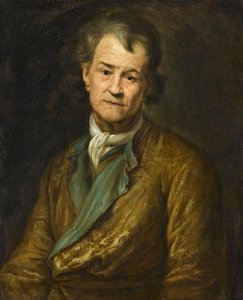
ピエール・ピュジェ
1620 - 1694 , フランス
プロフィール概要
- Artistic Movement Or Style: バロック
- Artists Who Influenced This Artist:
- Annibale Carracci
- ルーベンス
- ミケランジェロ
- ベルニーニ
- Date Of Birth: 1620年
- Date Of Death: 1694年
- Full Name: ピエール・ピュジェ
- Nationality: フランス
- Notable Artworks:
- 休息するヘラクレス
- ファウヌスのテラコッタ
- 市庁舎の扉
- 聖ペテロの石打ち
- 海上のフリゲート艦
- Place Of Birth: フランス、マルセイユ
関連記事

Timeless Elegance: A Complete Guide to the Sublime Beauty and Artistry of Marble Sculpture
Discover the sublime beauty of marble art through an expert exploration of Renaissance and Neoclassical masterpieces. From the delicate textures of Carpeaux to the grandeur of Sansovino, immerse yourself in a guide to timeless elegance and sculptural perfection.

The Enduring Form: Sculpture Across History, Technique & Emotional Resonance
Explore the rich history of sculpture with OriginalUniqueArt. Discover key techniques, influential artists & investment potential for discerning collectors. Expert insights into valuing and collecting timeless masterpieces.

Bronze Sculptures That Defined Art History | OriginalUniqueArt
Journey through art history with our Top 10 bronze sculptures! Explore masterpieces by Rodin, Michelangelo & more. Discover stories behind iconic statues and find museum-quality reproductions for your home decor at OriginalUniqueArt.com.

The Enduring Form: Exploring Themes & Techniques in Sculpture Across Historical Periods
Explore the rich history of sculpture from ancient masterpieces to contemporary innovations. Discover key techniques, influential artists & investment potential for discerning art collectors.

The Enduring Allure of Marble in Art History: From Classical Sculpture to Modern Abstraction
Explore the captivating history of marble sculpture from ancient Greece to modern art. Discover renowned artists like Canova & Michelangelo, carving techniques, and investment insights at OriginalUniqueArt.
