

 設置イメージを確認
 送る
送る シェア
シェア
 詳細情報
詳細情報 ガイドを表示

 画像をダウンロード
 似ている作品
 X線調査
X線調査 スライドショー
 統計情報
統計情報Nude in an Interior


 続きを読む
続きを読む
ジークレー/アートプリント
スピーディーな制作と多彩な仕上げオプションが魅力の、ミュージアムクオリティなジークレー・キャンバスプリント。 ( 手描きの複製画を注文する デジタル画像販売へ切り替え)




P118B ¥10

P118H ¥10

P118W ¥10

P438Z ¥10

P508JH ¥12

P508YH ¥12

P805H ¥10

P805Z ¥10

P919BZ ¥10

P919G ¥10

P919XJ ¥10

P959ZH ¥10

P968JZ ¥12

W106C ¥8

W218G ¥10

W218JH ¥8

W218Y ¥10

W307PJ ¥10

W316G ¥10

W316PJ ¥8

W316Y ¥10

W398PJ ¥8

W4111J ¥10

W500HY ¥15

W500JH ¥15

W692G ¥12

W849H ¥8

W940BG ¥15

W953PJ ¥8




作品のオリジナル比率に合わせた、当店の規定サイズからお選びください。

額縁や壁のスペースに合わせて、ご希望の幅と高さを入力してください。プリントはカットすることは可能ですが、元の画像より大きくすることはできないため、異なる比率のサイズを選択された場合は、画像の一部が欠けることになります。印刷を開始する前に、内容を確認していただくためのデジタルモックアップをお送りいたします。このページに表示されている画像は、実際のカット後の状態を示すものではありません。実際の仕上がりはモックアップにてご確認ください。


 ガラスオプションは、110cm未満のサイズでのみご利用いただけます。

Nude in an Interior
ジークレー/アートプリント
複製画サイズ一覧
-


合計金額
¥ 12603
A Window Into Intimacy: Exploring Pierre Bonnard’s “Nude in an Interior”
“Nude in an Interior,” painted by Pierre Bonnard in 1912, isn't merely a depiction of a woman asleep; it’s a masterful distillation of Impressionist ideals filtered through the lens of Post-Impressionism and imbued with the quiet spirituality of the Nabi movement. Bonnard, born in Fontenay-aux-Roses in 1867, initially pursued law but swiftly abandoned academic pursuits for the vibrant language of color—a decision that profoundly shaped his artistic vision. This inherent inclination toward observation combined with a rebellious spirit propelled him into the influential circle of the Nabis, artists who sought to liberate painting from rigid formalism and explore subjective experience.- Subject Matter & Composition: The artwork centers on a nude woman nestled within a domestic setting—a bed draped in soft linens against a backdrop of muted walls and furniture. Bonnard deliberately eschewed grand narratives, opting instead for the subtle beauty of everyday life, mirroring the Nabi’s fascination with capturing fleeting moments of emotion and atmosphere.
- Style & Technique: Bonnard's signature style is characterized by loose brushstrokes—a technique honed during his formative years at the Académie Julian—that prioritize color over precise representation. He employs a palette dominated by earthy tones – beige, pale blues, and greens – creating an illusion of depth and luminosity through layering and glazing. The artist’s meticulous attention to detail is evident in the rendering of skin folds and textures, conveying both physicality and vulnerability.
Historical Context & Artistic Influences
Bonnard's artistic trajectory was inextricably linked to the broader cultural currents of his time. The Impressionists had paved the way for a rejection of academic conventions, emphasizing perceptual experience over idealized form. However, Bonnard pushed beyond Impressionism’s focus on capturing fleeting light, embracing a more contemplative approach influenced by Symbolist ideas and particularly by the Nabi group's desire to infuse painting with spiritual resonance. This movement sought inspiration from Japanese prints—known as *ukiyo-e*—and Christian iconography, reflecting a broader interest in exploring inner states of mind.- Symbolism & Emotion: The painting’s subdued colors and intimate composition evoke a profound sense of serenity and melancholy. Bonnard skillfully utilizes light to sculpt the room's contours, highlighting the woman’s repose and suggesting an unspoken connection between her and the surrounding environment. There is no overt drama; rather, Bonnard invites contemplation on themes of solitude, vulnerability, and the beauty found in quiet domesticity.
- The Gallery Legacy: Currently housed at The National Gallery of Art in Washington D.C., “Nude in an Interior” continues to captivate audiences worldwide. Its enduring appeal stems from Bonnard’s ability to distill complex emotions into deceptively simple visual elements—a testament to his artistic genius and a cornerstone of modern art history.
Bringing Bonnard's Vision Home: Reproductions Available
For those seeking to experience the evocative beauty of “Nude in an Interior” firsthand, high-quality reproductions are available on OriginalUniqueArt.com. These meticulously crafted prints allow collectors and interior designers alike to appreciate Bonnard’s masterful technique and capture the essence of his artistic vision—a timeless masterpiece that speaks volumes about the human condition.よくあるご質問
ピエール=オーギュスト・ルノワール作「Nude in an Interior」にはどのような技法が用いられていますか?
ピエール=オーギュスト・ルノワールは、「Nude in an Interior」においてAcrylic On Canvasの技法を用いています。この技法が、原画の素材としての性質を決定づけています。
ピエール=オーギュスト・ルノワールは何歳の時に「Nude in an Interior」を制作しましたか?
ピエール=オーギュスト・ルノワールは45歳の時に「Nude in an Interior」を制作しました。作家は1867年に生まれ、本作の制作年は1912年です。
ピエール=オーギュスト・ルノワール作「Nude in an Interior」の向き(横長・縦長)はどちらですか?
ピエール=オーギュスト・ルノワール作「Nude in an Interior」はSquareの構図です。プリントサイズを選択する前に、縦横比をご確認いただくことをお勧めします。
アーティストについて
光に満たされた生涯:ピエール・ボナールの世界
1867年、パリ近郊のフォンテネ=オ=ローズに生まれたピエール・ボナールは、最初から芸術的な表現に身を投じる運命にあったわけではありませんでした。フランス陸軍省の高官であった父は、息子には法曹界でのキャリアを期待していました。若きピエールは父の期待に応えるべく忠実に法学を学び、1888年には学位を取得しましたが、彼の心は別の場所、すなわち色彩と形態が織りなす魅惑的な世界へと向かっていました。この期待と情熱の間に生じた葛藤や二面性は、その後の彼の芸術的旅路に繊慢な影を落とし、作品に独特の親密さを与えることになります。初期の頃、彼は風刺画を手がけていましたが、そこで磨かれた観察眼は、後に精緻に描き出される日常の情景へと開花していくことになります。しかし、ボナールが真の道を見出したのは、アカデミー・ジュリアンでの出会いでした。そこで彼は、アカデミックな形式主義を拒絶し、パリを席巻していた前衛的な精神を共有する志を同じくする仲間たちに出会ったのです。この出会いが彼を「ナビス」へと導きました。モーリス・ドニ、ポール・セリュジエ、エドゥアール・ヴュイヤールといった画家たちからなるこのグループは、単なる再現を超え、芸術に精神性と象徴性を吹き込み、内面的な体験の探求を目指していました。ナビスの時代と「親密さ」の醸成
ナビスとの結びつきは、ボナールの画業において決定的な役割を果たしました。平面的な形態、大胆な色彩、そして伝統的な遠近法の拒絶を重視するグループの姿勢は、彼の芸術的感性と深く共鳴したのです。浮世絵の優美な線や調和のとれた構図、そして主観的な感情を探求する象徴主義運動に触発され、ボナールは独自のスタイルを築き始めました。彼は壮大な物語や歴史的な寓意には関心がありませんでした。その代わりに、彼は内面へと目を向け、入浴する女性、食卓を囲む家族、陽光が降り注ぐ庭園といった、日常の静かな瞬間を描き出すことに集中したのです。これらの作品は単なる情景の描写ではなく、感情の蒸留であり、記憶や空気感の呼び起こしでもありました。こうした親密な日常への眼差しにより、彼は「インティミスト(親密派)」という称号を得ることとなりました。この言葉は、彼の作品が持つ情緒的な響きを完璧に捉えています。彼の絵画において重要なのは、「何が描かれているか」ではなく、「その瞬間に立ち会うことがいかに感じられるか」なのです。彼は記憶を頼りに描き、入念なスケッチを経て、光と色彩に対する驚くべき感受性をもって、それらの印象をキャンバスへと定着させていきました。感情としての色彩:色彩の魔術師
ボナールの色彩における卓越した技量は、間違いなく彼の最も決定的な特徴と言えるでしょう。彼は単に色彩を「使った」のではなく、色彩を「感じて」いたのです。色彩が絵画の情緒や雰囲気を支配することを許容していました。そのパレットは鮮やかでありながら繊細で、時に予期せぬ色の組み合わせを用いることで、きらめくような光輝を生み出しました。完成したキャンバスに何度も立ち戻り、完璧な調和を得るために複数の作品にわたって色彩を微調整したことは有名であり、それは色彩の均衡に対する彼の執念とも言える献身の証です。これは写実的な再現を目指したものではなく、色彩が持つ主観的な体験、すなわち感情や記憶を呼び起こす力を捉えようとする試みでした。彼は直接的な観察から離れ、あえて回想に基づいて描くことを好みました。それによって、情景に夢幻的な質感を吹き込むことが可能になったのです。彼の風景画は単なる場所の描写ではなく、個人の経験というレンズを通して濾過された、感情的な反応そのものでした。代表作とコレクション
- チェック柄のドレスを着た女性 (1890年): ナビスの影響を受けた初期の代表作であり、平面的な形態と大胆な色彩の組み合わせが見られます。
- ダイニングルーム (1913年): 家庭生活の温もりと親密さを捉えた、インティミズムの真髄とも言える情景です。
- 果物鉢 (1933年頃): 鮮やかな色彩と光り輝くような奥行きを感じさせ、彼の静物画における卓越した技量を示しています。
- アーモンドの花 (1947年): 没する数日前に完成した晩年の作品の一つであり、色彩と光への探求が極まった姿を見せています。
- マルモッタン・モネ美術館(フランス、パリ)
- シカゴ美術館(アメリカ、シカゴ)
- ニューヨーク近代美術館(アメリカ、ニューヨーク)
- テート・モダン(イギリス、ロンドン)
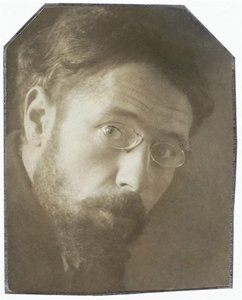
ピエール=オーギュスト・ルノワール
1867 - 1947 , フランス
アーティスト情報
- Artistic Movement Or Style: 印象派、インティミズム
- Artists Or Movements Influenced By This Artist: ['ヌーヴィシズム']
- Artists Who Influenced This Artist:
- ピエール=オーギュスト・ルノワール
- ポール・ゴッスワン
- Date Of Birth: 1867年10月3日
- Date Of Death: 1947年1月23日
- Full Name: ピエール=オーギュスト・ルノワール
- Nationality: フランス人
- Notable Artworks:
- 女性を着物姿
- ミモランドゥ・ドゥ・ラ・ガレットでの舞踏会
- Place Of Birth: フランス・フォンタナウアウルス
関連記事

印象派 vs 後期印象派:光の革命から感情の深淵へ。巨匠たちが切り拓いた色彩と技法のマスタークラス
印象派と後期印象派の決定的な違いを、光と色彩、そして感情の変遷から紐解くマスタークラス。モネやルノワールが捉えた「一瞬の光」から、ゴッホらが追求した「内なる情熱」まで、美術史の革命を専門家が解説します。OriginalUniqueArtでは、巨匠たちの息吹を感じる高品質な手描き油彩複製画をご提供。あなたの空間に、美術館級のエレガンスと本物の芸術体験をお届けします。

没後印象派を彩る至宝:時代を定義した10大名作
時代を彩る没後印象派の名作10選。ゴッホ、セザンヌら巨匠の傑作を深く掘り下げ、その物語と技法に迫ります。色彩豊かなアートで空間を演出。OriginalUniqueArt.comで至高のアートプリントを見つけませんか?
Beyond the Light: Discovering the Soul and Emotional Depth of Post-Impressionism
Embark on a cultural journey through Post-Impressionism. Discover the profound emotional depth of masters like Van Gogh and Cézanne, exploring how they moved beyond light to capture the very soul of human experience through vibrant color and symbolic form.

ポール・セザンヌ:至高の25選 - 傑作と革新の軌跡 | OriginalUniqueArt
ポール・セザンヌの至高の25選。ポスト印象派を代表する画家、セザンヌの傑作と革新的な技法を紐解きます。OriginalUniqueArtで高品質な複製画やインテリアアートを見つけ、芸術の世界をご自宅に。今すぐコレクションをご覧ください。

光と色彩の彼方:知的な収集家のための印象派とポスト印象派
印象派とポスト印象派の傑作を深く理解し、知的なコレクションを築くための情報を提供。OriginalUniqueArtでは、高品質な油絵複製やカスタムアートをご用意。専門家が最適な作品選びをお手伝いします。


