設置イメージを表示
 シェアする
シェアする シェアする
シェアする
 詳細を見る
詳細を見る ガイドを表示

 ダウンロード
 似ている作品
 X線調査
X線調査 スライドショーを表示
 Q&A
Q&A 統計情報
統計情報Polyptych of St. Anthony

- 338.0 x 230.0 cm


 詳細を表示
詳細を表示
ジークレー/アートプリント
スピーディーな制作と多彩な仕上げオプションが魅力の、ミュージアムクオリティなジークレー・キャンバスプリント。 ( 手描き複製画を注文する デジタル画像販売へ切り替え)




P118B ¥10

P118H ¥10

P118W ¥10

P438Z ¥10

P508JH ¥12

P508YH ¥12

P805H ¥10

P805Z ¥10

P919BZ ¥10

P919G ¥10

P919XJ ¥10

P959ZH ¥10

P968JZ ¥12

W106C ¥8

W218G ¥10

W218JH ¥8

W218Y ¥10

W307PJ ¥10

W316G ¥10

W316PJ ¥8

W316Y ¥10

W398PJ ¥8

W4111J ¥10

W500HY ¥15

W500JH ¥15

W692G ¥12

W849H ¥8

W940BG ¥15

W953PJ ¥8




作品のオリジナル比率に合わせた、当店の規定サイズからお選びください。

額縁や壁のスペースに合わせて、ご希望の幅と高さを入力してください。プリントはカットすることは可能ですが、元の画像より大きくすることはできないため、異なる比率のサイズを選択された場合は、画像の一部が欠けることになります。印刷を開始する前に、内容を確認していただくためのデジタルモックアップをお送りいたします。このページに表示されている画像は、実際のカット後の状態を示すものではありません。実際の仕上がりはモックアップにてご確認ください。


 ガラスオプションは、110cm未満のサイズでのみご利用いただけます。

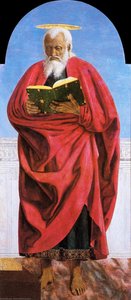
Polyptych of St. Anthony
ジークレー/アートプリント
複製画サイズ一覧
-


合計金額
¥ 12821
The Polyptych of St. Anthony: A Renaissance Masterpiece of Light and Faith
Piero della Francesca’s Polyptych of St. Anthony, completed around 1470 for the Franciscan convent in Perugia, is more than just a religious painting; it's a profound meditation on perspective, faith, and the human condition. This complex altarpiece, now housed within the Galleria Nazionale dell’Umbria, offers a captivating journey through Renaissance artistry, inviting viewers to contemplate its intricate symbolism and masterful execution.
The polyptych itself is a testament to the era's evolving artistic sensibilities. It’s not merely a single image but a series of interconnected panels arranged in a tiered structure – a deliberate choice that mimics the grandeur of a Renaissance church. The central panel depicts the Virgin Mary enthroned with the Christ Child, flanked by the venerated saints Anthony of Padua and John the Baptist on the left, and Francis and Elizabeth of Hungary on the right. Above this core scene unfolds an exquisite Annunciation, rendered with breathtaking precision using linear perspective – a technique pioneered by Piero himself and exemplified in his treatise *De prospectiva pingendi*. The vanishing point, strategically placed within the colonnade, creates an illusion of depth that draws the eye into the composition, mirroring the spiritual journey towards divine grace.
A Symphony of Color and Technique
Piero della Francesca’s genius lies not only in his mastery of perspective but also in his innovative use of color and technique. He moved away from the traditional tempera-on-panel approach prevalent at the time, embracing oil paints – a relatively new medium that allowed for greater luminosity, richer hues, and subtle gradations of tone. This shift is particularly evident in the Annunciation, where the light seems to emanate from within the painted space, creating an ethereal atmosphere. The palette itself is restrained yet powerful: deep browns, reds, creams, and golds dominate, evoking a sense of solemnity and reverence. The figures are rendered with remarkable anatomical accuracy and psychological depth – they aren’t idealized representations but rather believable human beings experiencing profound emotion.
The predella panels below the central scene offer further insights into the lives of the Franciscan saints. These smaller, more intimate scenes depict miraculous events attributed to Anthony, Francis, and Elizabeth, illustrating their dedication to charity and faith. The panel depicting Anthony raising a child from the dead is particularly striking, conveying both compassion and divine intervention. The meticulous detail in each brushstroke speaks volumes about Piero’s commitment to his craft – every fold of drapery, every expression on a face, is rendered with painstaking care.
Symbolism and Historical Context
Beyond its aesthetic beauty, the Polyptych of St. Anthony is rich in symbolism. The choice of saints reflects the Franciscan order’s core values – devotion to Mary, service to the poor, and a commitment to preaching the Gospel. The inclusion of elements like the Holy Sepulchre, subtly referenced within the composition, underscores the importance of pilgrimage and spiritual journeys. Furthermore, the painting's creation coincided with a period of significant intellectual ferment in Italy, marked by renewed interest in classical antiquity and advancements in mathematics and geometry – fields that profoundly influenced Piero’s artistic vision.
Interestingly, the polyptych’s history is intertwined with Perugia’s political landscape. Commissioned for the Franciscan convent, it was later moved to the town hall during a period of instability, highlighting the painting's role as both a religious icon and a symbol of civic pride. The story of Anthony Clarke, the British artillery officer who saved the fresco from destruction during World War II, adds another layer of intrigue to this remarkable artwork – a testament to the enduring power of art and its ability to transcend time and conflict.
A Timeless Legacy
The Polyptych of St. Anthony remains one of Piero della Francesca’s most celebrated works, admired for its technical brilliance, profound symbolism, and emotional resonance. It stands as a powerful example of Early Renaissance artistry – a testament to the enduring legacy of a master painter who dared to challenge convention and explore the boundaries of artistic expression. Reproductions of this masterpiece offer an opportunity to bring its beauty and depth into any setting, serving as a constant reminder of the power of faith, art, and human ingenuity.
Q&A
ピエロ・デッラ・フランチェスカ作「Polyptych of St. Anthony」の色調は、鮮やかですか、それとも落ち着いていますか?
ピエロ・デッラ・フランチェスカ作「Polyptych of St. Anthony」の彩度はClear Color Presenceです。
Renaissanceの作品「Polyptych of St. Anthony」は、どの国のものですか?
Renaissanceの作品「Polyptych of St. Anthony」は、イタリア出身のアーティストによって制作されました。
ピエロ・デッラ・フランチェスカ作「Polyptych of St. Anthony」の実寸(サイズ)はどのくらいですか?
「Polyptych of St. Anthony」の原画のサイズは338 x 230 cmです。原画の寸法は、複製画のサイズをお選びいただく際の参考としてお役立ていただけます。
作家プロフィール
ピエロ・デッラ・フランチェスカ:静謐と秩序の探求者
15世紀初期ルネサンスを代表する画家、ピエロ・デッラ・フランチェスカ。彼の名は、単なる芸術家という枠を超え、数学者、幾何学者としても知られています。ウンブリア地方の小さな町サンセポルクロで生まれ、その生涯は謎に包まれている部分も多いものの、残された作品群は、静謐な美と秩序への飽くなき探求を物語っています。フランチェスカの芸術は、単なる写実性を超え、知性と精神性が融合した独自の表現へと昇華されており、後世の芸術家たちに多大な影響を与えました。
生い立ちと初期の試み:フィレンツェとの出会い
ピエロ・デッラ・フランチェスカは、1415年頃、サンセポルクロで生まれました。父は革細工師であり、裕福な家庭環境で育ったピエロは、幼少期から教育を受け、読み書き能力も身につけました。1430年代には、地元の画家アントニオ・ダンギアリのもとで修行を積み、その後、芸術の中心地であるフィレンツェへと旅立ちます。そこで彼は、マサッチョの革新的な壁画や、フィリッポ・ブルネレスキの建築的才能に触発され、遠近法という新たな表現手法に魅せられます。ドメニコ・ヴェネツィアーノとの共同制作を通じて、フランチェスカはフィレンツェの芸術様式を深く理解し、自身の芸術性を磨き上げていったのです。
真実の十字架:傑作が生み出す静謐な世界
ピエロ・デッラ・フランチェスカの名声を決定づけたのは、アレーッツォのサン・フランチェスコ教会に描かれた『真実の十字架物語』の壁画です。この作品群は、十字架の木材が発見されるまでの伝説を壮大なスケールで描き出しており、その構成と色彩、そして何よりも人物の表情には、深い精神性と静謐さが漂っています。遠近法を駆使した緻密な空間描写は、見る者を圧倒し、まるで現実世界に入り込んだかのような錯覚を与えます。フランチェスカは、単なる物語を描くのではなく、人間の内面にある信仰心や希望といった普遍的なテーマを表現しようとしたのです。
数学と芸術の融合:遠近法への探求
ピエロ・デッラ・フランチェスカの芸術の特徴として、数学的知識との融合が挙げられます。彼は、レオナルド・ダ・ヴィンチやミケランジェロに先駆けて、遠近法の理論を深く研究し、それを自身の作品に応用しました。『遠近法に関する画法』という著書にも残されているように、彼は幾何学的な計算に基づいた正確な空間表現を追求しました。その結果、フランチェスカの作品は、単なる写実性を超え、秩序と調和がもたらす美しさを体現したものとなっています。彼の絵画は、まるで精密機械のように完璧に計算され、配置された要素が、見る者の心を静かに魅了するのです。
後世への影響:ルネサンスを越えた普遍性
ピエロ・デッラ・フランチェスカの芸術は、生前の評価とは異なり、20世紀になってようやくその真価が再認識されました。レオナルド・ダ・ヴィンチやラファエロといった巨匠たちも、彼の作品から影響を受けたと伝えられており、ルネサンス美術における重要な位置を占めています。フランチェスカの静謐で秩序立った世界観は、現代においても多くの人々に感動を与え続けています。彼の芸術は、単なる過去の遺産ではなく、普遍的な美と知性の探求という形で、未来へと受け継がれていくでしょう。

ピエロ・デッラ・フランチェスカ
1415 - 1492 , イタリア
プロフィール概要
- フルネーム: ピエロ・デッラ・フランチェスカ
- 主な作品:
- 受胎告知
- 真の十字架の伝説
- モンテフェルトロ祭壇画
- 出生地: サンセポルクロ(イタリア)
- 国籍: イタリア
- 影響を与えたアーティスト:
- レオナルド・ダ・ヴィンチ
- ラファエロ
- 影響を受けたアーティスト:
- マサッチョ
- ドメニコ・ヴェネツィアーノ
- 死亡年月日: 1492年10月12日
- 生年月日: 1415年頃
- 芸術運動またはスタイル: 初期ルネサンス
関連記事

Luca della Robbia: Renaissance Sculpture & the Innovation of Terracotta Glazing
Discover the innovative terracotta glazing techniques of Luca della Robbia, a Renaissance master sculptor. Explore his iconic works, legacy, and collecting tips with OriginalUniqueArt.

エル・グレコの傑作25選:魂を揺さぶる宗教画と芸術の深淵 | OriginalUniqueArt
エル・グレコの傑作25選:魂を揺さぶる宗教画の世界へ。スペイン絵画の巨匠、マニエリスム様式と Toledo の光彩を紐解きます。OriginalUniqueArt.com で名画のアートプリントや複製画をお楽しみください。コレクションはこちら →

ジョット・ディ・ボンドーネ:至高の25選 - ルネサンスの夜明けを彩る傑作たち | OriginalUniqueArt
ジョット・ディ・ボンドーネの至高の25選。ルネサンス美術を牽引した巨匠の傑作と、その感動的な物語を紐解きます。高品質な絵画複製やインテリアアートで、名画の世界をあなたの空間に。OriginalUniqueArt.com でコレクションをご覧ください。
Piero della Francesca: Renaissance Perspective, Divine Proportion & the Pursuit of Ideal Form
Explore the revolutionary art of Piero della Francesca – master of perspective, divine proportion & Renaissance humanism. Discover his iconic paintings & lasting influence on art history.

ウフィツィ美術館の至宝25選:ルネサンス巨匠たちの傑作とアートデコレーション
ウフィツィ美術館の至宝25選:ボッティチェリ、レオナルド・ダ・ヴィンチ…ルネサンス巨匠たちの傑作と感動的な物語を紐解きます。高品質な絵画複製やアートプリントで、お部屋に名画の輝きを。OriginalUniqueArt.comで芸術の世界へ。