

 プレビュー
プレビュー
 シェアする
シェアする シェアする
シェアする
 詳細を見る
詳細を見る

 ダウンロード
 似ている作品
 X線調査
X線調査 スライドショー
 統計情報
統計情報Autoportrait
 詳細を見る
詳細を見る
オンラインプレビューをはるかに凌ぐ、高解像度で鮮明なデジタル画像をご購入いただけます。
各ファイルは、社内の専門家が高度なツールと熟練した手作業によるレタッチを用いて、細心の注意を払って準備されています。すべての画像において、卓越した鮮明度、正確な色彩再現性、そして繊細なディテールを保証いたします。
最終ファイルは、プロフェッショナルな編集・印刷環境ですぐにご利用いただけるよう最適化された状態で、72時間以内にメールにてお届けいたします。これは、一流のデザインスタジオ、出版社、ギャラリーから信頼されているものと同等の品質です。
デジタルアート
個人での鑑賞、印刷、クリエイティブなプロジェクト用に、高解像度ファイルをダウンロードできます。 ( プリント版に切り替え 手描きの絵画を購入)
デジタル画像のご注文に付随する特典
高品質なデジタル画像配信を、確かな品質で。
OriginalUniqueArt.com を選ぶことは、単に画像を手に入れることではありません。それは、プロの手によって精密に仕上げられ、満足保証が付いた高品質なデジタルアートワークを受け取ることを意味します。ご注文いただいた際に自動的に付随する内容は、以下の通りです:

メールですぐにお届け
ご注文から72時間以内に、高解像度のデジタル画像ファイルがメールでお手元に届きます。すぐにそのままご利用いただけます。

AI技術で最適化されたデジタルファイル
お客様の作品は、高度なAIツールと専門家による手作業の編集を組み合わせてプロフェッショナルに最適化されており、細部のディテール、鮮明さ、そして正確な色再現性を最大限に引き出しています。

一生涯無料の再送サービス
ファイルを誤って削除したり、紛失してしまったりしましたか?ご安心ください。いつでも無料で再送いたします。

輸入手数料は一切かかりません
関税や手数料、配送料を気にすることなく、お気に入りのアートワークをすぐにお楽しみいただけます。デジタルダウンロードは常に免税です。

色彩再現の保証
プロ仕様のツールとカラーマネジメント技術を用いることで、デジタル画像が元の色を最大限に忠実に再現することを保証いたします。

100日間満足保証
ご購入いただいたデジタル画像にご満足いただけない場合は、100日以内であれば、理由を問わず修正または100%の返金対応をさせていただきます。

100% 返金保証
ご満足いただけない場合は、デジタルファイルを受け取ってから100日以内であれば、理由を問わず全額返金いたします。

まとめ買い割引
3枚購入で10%OFF - 5枚購入で15%OFF - 10枚以上購入で20%OFF。クリエイティブなプロジェクト、ギャラリー、エージェンシーに最適です。
作家の略歴
A Revolutionary Spirit on Canvas: The Life and Art of Philippe-Auguste Jeanron
Born in 1809 amidst the echoes of revolution, Philippe-Auguste Jeanron was a painter whose life and work were deeply intertwined with the political and social currents of 19th-century France. His origins themselves spoke to a lineage steeped in republican ideals; his grandfather had actively participated in the storming of the Bastille, instilling within the family a fervent belief in liberty and equality. This heritage profoundly shaped Jeanron’s artistic vision, guiding him toward a path that blended aesthetic skill with unwavering political conviction. He received his initial training under Xavier Sigalon, honing his skills in drawing and painting while simultaneously immersing himself in the intellectual ferment of Parisian society. His time at the Bourbon college brought him into contact with republican activists—including those associated with Philippe Buonarroti—further solidifying his commitment to progressive causes. Early artistic endeavors included meticulous study; he spent considerable time copying Veronese’s monumental “The Wedding at Cana” within the hallowed halls of the Louvre, and furthered his education at the Swiss Academy, laying a foundation for his future explorations in both style and subject matter.From Rural Landscapes to Social Commentary
Jeanron's early career saw him fulfilling commissions for Parisian churches—Saint-Vincent-de-Paul and Saint-Louis-en-l'Ile among them—but it was the landscapes inspired by the Barbizon school that truly began to define his artistic voice. These works, imbued with a naturalistic sensibility, captured the beauty of the French countryside, foreshadowing his later focus on depicting the lives of those who inhabited it. However, Jeanron’s art wasn't merely about aesthetic representation; it was increasingly driven by his republican beliefs. He began to shift toward genre painting, portraying everyday life and social issues with a realism that challenged conventional artistic norms. His canvases became windows into the struggles and experiences of common people—the laborers, peasants, and ordinary citizens who formed the backbone of French society. This commitment to representing the lives of the marginalized set him apart from many of his contemporaries, establishing him as a precursor to the more overt social realism that would emerge later in the century. He wasn’t simply painting what he saw; he was making a statement about *who* deserved to be seen and remembered.A Director's Vision: Democratizing the Louvre
The year 1848 marked a turning point, not only for France but also for Jeanron’s career. Following the February Revolution, he was appointed head of National Museums and Director of the Louvre—a position that allowed him to translate his ideals into tangible institutional change. He approached this role with a radical vision: to democratize access to art and culture. He prioritized the preservation and classification of the museum's vast collections, improving storage conditions and implementing innovative methods for their arrangement. Crucially, he championed the inclusion of workers in museum projects, believing that all members of society should have a stake in its cultural heritage. Jeanron actively sought to broaden the Louvre’s appeal by showcasing works by artists like Chardin and the Le Nain brothers—painters whose subjects resonated with the lives of ordinary people. He also provided support for contemporary artists such as Charles Jacque and Jean-François Millet, recognizing their potential to capture the spirit of the age. He clearly delineated the roles of the Louvre and the Musée du Luxembourg, reserving the latter for contemporary art while solidifying the Louvre’s position as a repository of historical masterpieces. His tenure was marked by a commitment to inclusivity and accessibility, transforming the Louvre from an elitist institution into a public space for learning and inspiration.Legacy of a Republican Artist
Beyond his curatorial achievements, Jeanron continued to paint throughout his life, often returning to the landscapes and people of the Limousin region—the estate of Comborn having become his family home through marriage. These later works reflect a deep connection to the land and its inhabitants, capturing their dignity and resilience with sensitivity and skill. His commitment to republican ideals and social justice remained unwavering, influencing both his artistic output and his administrative decisions. Philippe-Auguste Jeanron’s legacy lies in his multifaceted contributions to French art and culture. He was not only a talented painter but also a visionary museum director who fundamentally reshaped the way art was presented and experienced. He commissioned Eugène Delacroix for a significant project within the Apollon gallery, demonstrating his respect for artistic collaboration and innovation. His work helped pave the way for the rise of realism in French art, challenging traditional hierarchies and promoting a more inclusive view of cultural heritage. He remains a compelling figure—a testament to the power of art to reflect, challenge, and ultimately transform society.Notable Works
- L’Ile Calypso: A captivating example of his genre scenes, showcasing his ability to capture everyday life with nuance and detail.
- Paysans Limousins: Illustrates his deep connection to the rural landscapes and people of the Limousin region.
- Autoportrait: Offers a glimpse into the man behind the art, revealing a determined and thoughtful individual.
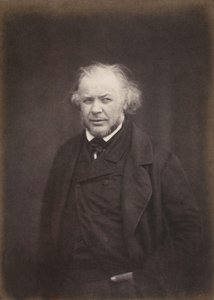
Philippe-Auguste Jeanron
1877 - 1877 , France
プロフィール概要
- Artistic Movement Or Style: Realism, Genre painting
- Artists Or Movements Influenced By This Artist:
- Charles Jacque
- Jean-François Millet
- Artists Who Influenced This Artist:
- Xavier Sigalon
- Veronese
- Date Of Birth: 1809
- Date Of Death: 1877
- Full Name: Philippe-Auguste Jeanron
- Nationality: French
- Notable Artworks:
- L’Ile Calypso
- PAYSANS LIMOUSINS
- Autoportrait
- Place Of Birth: Boulogne-sur-Mer, France