プリント版に切り替え
 詳細を表示
詳細を表示







































 いずれかの辺が105 cm(約41インチ)を超えるアートワークまたは複製画の場合、フレームは分解されたキットの状態でお届けいたします。この方法は、輸送中の破損を防ぎ、安全に配送するために採用しております。


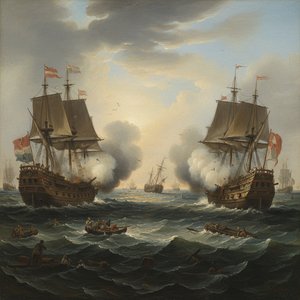
A Tempestuous Vision: Philip James de Loutherbourg’s “Shipwreck”
Philip James de Loutherbourg's "Shipwreck," painted in 1793, isn’t merely a depiction of maritime disaster; it’s a visceral exploration of human vulnerability against the overwhelming power of nature. This dramatic landscape, now housed within the Southampton City Art Gallery, transcends simple realism to become a potent allegory for survival, desperation, and the precariousness of existence – themes that resonated deeply with the burgeoning Romantic movement of the late 18th century.
The painting immediately commands attention through its turbulent composition. A colossal wave, rendered in thick, swirling brushstrokes of indigo, ochre, and grey, dominates the scene, threatening to engulf a shattered vessel – the remnants of a once-proud ship now reduced to splintered wood and clinging figures. Loutherbourg masterfully employs chiaroscuro, utilizing stark contrasts between light and shadow to heighten the drama and emphasize the immediate threat. The dark, brooding sky, pregnant with impending storm, mirrors the despair etched on the faces of those struggling for survival amidst the wreckage.
The Baroque Influence & Dramatic Lighting
While firmly rooted in the Romantic sensibility, "Shipwreck" reveals a clear debt to the Baroque tradition, particularly in its theatrical use of light and shadow. Loutherbourg, who had trained under Charles-André van Loo, inherited a penchant for dramatic effects – a skill he honed not only as a painter but also as a stage designer for London’s Drury Lane Theatre. This influence is evident in the painting's heightened emotional intensity and its carefully orchestrated composition, designed to draw the viewer directly into the heart of the scene.
The figures themselves are illuminated from the left, casting long, dramatic shadows that accentuate their vulnerability and heighten the sense of urgency. Loutherbourg’s technique is particularly noteworthy in his rendering of water – not as a smooth, reflective surface, but as a chaotic, dynamic force, teeming with movement and energy. The artist's attention to detail extends to the depiction of the ship itself, meticulously rendered with a sense of both grandeur and impending doom. The use of layered textures—the rough splintered wood, the slickness of the waves, the ragged clothing of the survivors—adds considerable depth and realism to the scene.
Symbolism & The Romantic Spirit
Beyond its immediate depiction of a shipwreck, “Shipwreck” is rich in symbolic meaning. The storm represents not just a natural event but also the unpredictable forces that govern human life – fate, adversity, and the limitations of control. The survivors, huddled together on the rocks, embody the resilience of the human spirit in the face of overwhelming odds. Their desperate struggle for survival speaks to our shared vulnerability and our innate desire to endure.
The inclusion of bandits attacking the lifeboat adds another layer of complexity, suggesting a broader theme of exploitation and injustice. It’s a subtle but powerful commentary on the darker aspects of human nature – the willingness to prey upon the weak in times of crisis. This painting perfectly encapsulates the Romantic spirit's fascination with both the sublime beauty and terrifying power of the natural world, alongside its exploration of profound emotional experiences.
A Legacy of Dramatic Art
Philip James de Loutherbourg’s “Shipwreck” stands as a testament to his artistic versatility and his ability to capture the drama and intensity of human experience. It's a work that continues to resonate with viewers today, prompting reflection on our own vulnerabilities and our capacity for both despair and resilience. The painting’s enduring appeal lies in its masterful composition, its evocative use of light and shadow, and its profound exploration of timeless themes – all rendered with the skill and passion characteristic of a true Romantic artist.
Q&A
「Shipwreck」における明暗のバランスは、どのように表現されていますか?
フィリップ・ジェームズ・ド・ルテールブルグ作「Shipwreck」 の記録された数値は、明度 deep_shadow、輝度 Dark です。
原画「Shipwreck」のサイズはどのくらいですか?
「Shipwreck」の原画のサイズは58 x 81 cmです。原画の寸法は、複製画のサイズをお選びいただく際の参考としてお役立ていただけます。
制作時期から見て、"Shipwreck"はフィリップ・ジェームズ・ド・ルテールブルグのキャリアにおけるどの時期にあたりますか?
1767年に制作された「Shipwreck」は、フィリップ・ジェームズ・ド・ルテールブルグの画業におけるMature Periodに属する作品です。
この絵画の詳細を見る
 設置イメージを表示
 シェアする
シェアする シェアする
シェアする
 詳細を見る
詳細を見る ガイドを表示

 ダウンロード
 似ている作品
 X線調査
X線調査 スライドショーを表示
 Q&A
Q&A 統計情報
統計情報