

 設置イメージを確認
 送る
送る シェア
シェア
 詳細情報
詳細情報 ガイドを表示

 画像をダウンロード
 似ている作品
 X線調査
X線調査 スライドショー
 統計情報
統計情報Falling Leaves
 Oil On Panel
- Realism
 1895
1895- 19th Century
 80.0 x 64.0 cm
 続きを読む
続きを読む
手描き油彩複製画
当社のアーティストが、お客様のご希望のサイズと額縁に合わせて、キャンバスに手描きで制作する油彩画です。 ( プリント版に切り替え デジタル画像販売へ切り替え)




P118B ¥10

P118H ¥10

P118W ¥10

P438Z ¥10

P508JH ¥12

P508YH ¥12

P805H ¥10

P805Z ¥10

P919BZ ¥10

P919G ¥10

P919XJ ¥10

P959ZH ¥10

P968JZ ¥12

W106C ¥8

W218G ¥10

W218JH ¥8

W218Y ¥10

W307PJ ¥10

W316G ¥10

W316PJ ¥8

W316Y ¥10

W398PJ ¥8

W4111J ¥10

W500HY ¥15

W500JH ¥15

W692G ¥12

W849H ¥8

W940BG ¥15

W953PJ ¥8




作品のオリジナル比率に合わせた、当店の規定サイズからお選びください。

フレームや壁のスペースに合わせて、ご希望の幅と高さを入力してください。本作品は手描きのため、異なる比率のサイズをご希望の場合、絵画の周囲を少し広げて描くか、あるいは端を少しカットして調整することが可能です。お客様のご要望に合わせます。制作を開始する前に、仕上がりを確認するためのデジタルモックアップをお送りいたします。このページに表示されている画像は完成品の実物ではなく、あくまでモックアップによるイメージです。
ご注文後、OriginalUniqueArt.com チームより詳細な指示をお送りするとともに、仕上がりイメージ(モックアップ)をご提供いたします。


 ガラスオプションは、110cm未満のサイズでのみご利用いただけます。

Falling Leaves
再現技法
複製画サイズ一覧
-


合計金額
¥ 47236
A Moment Frozen in Time: The Serenity of Falling Leaves
In the quietude of an autumnal afternoon, Philip Alexius De László invites us into a world where time seems to decelerate. His 1895 masterpiece, Falling Leaves, is far more than a mere depiction of a woodland scene; it is a profound meditation on solitude and the gentle passage of time. The painting captures an elderly man seated at a table amidst the dappled sunlight of a forest, a figure seemingly lost in the depths of his own reflections. As the golden light filters through the canopy, it illuminates a scene that feels both intimate and expansive, pulling the viewer into a shared moment of peaceful contemplation. There is a palpable sense of stillness here, broken only by the imagined rustle of descending foliage and the distant flight of a single bird, which adds a delicate pulse of life to the tranquil atmosphere.
The composition is masterfully orchestrated to evoke a feeling of comfort and domesticity within the wildness of nature. The presence of a dining table and chairs nestled among the trees suggests a harmonious coexistence between human civilization and the natural world. This juxtaposition creates a unique emotional resonance, making the woods feel not like a daunting wilderness, but like a sanctuary for the soul. For the collector or interior designer, this piece offers a transformative quality; it possesses the rare ability to instill a sense of calm and groundedness in any space, acting as a window into a more contemplative era.
Mastery of Light and the Elegance of Technique
De László, an artist renowned for his ability to capture the essence of European aristocracy, applies his formidable skill to this landscape with breathtaking precision. Utilizing oil on panel, the artist achieves a level of textural richness and luminous detail that is difficult to replicate in other mediums. The panel support allows for fine, controlled brushwork, which is evident in the way the sunlight dances across the man's features and the delicate textures of the surrounding trees. The play of light and shadow—a hallmark of late 19th-century realism—is used here to create depth and volume, making the forest feel three-dimensional and immersive.
The color palette is a sophisticated arrangement of warm, autumnal tones that wrap the viewer in a gentle glow. De László employs subtle gradations of amber, gold, and deep earth tones to build the atmosphere, ensuring that the light feels organic rather than staged. This technical prowess ensures that every time one views a high-quality reproduction of this work, the interplay of warmth and shadow remains as captivating as it was when the paint first dried in 1895. It is this meticulous attention to the physical properties of light that elevates the painting from a simple landscape to a living, breathing environment.
A Legacy of Poetic Realism
To understand Falling Leaves, one must consider the historical context of De László’s career. Emerging from the academic traditions of Budapest and refined in the artistic hubs of Munich and Paris, the artist was a master of capturing both the physical likeness and the inner spirit of his subjects. While he is often celebrated for his grand portraits of royalty, this particular work reveals his softer, more poetic side. It reflects the late 19th-century fascination with plein air sensibilities and the Romantic movement's reverence for nature as a mirror to human emotion.
The symbolism within the piece is subtle yet deeply moving. The open book on the table serves as a metaphor for the unfolding narrative of life, while the falling leaves represent the cyclical nature of existence—the beauty found in transition and decay. For those seeking to adorn their homes with art that speaks to the enduring beauty of the natural cycle, this painting provides an incomparable focal point. It is a work that does not merely decorate a wall; it enriches the spirit, offering a perennial escape into a sun-drenched woodland where the only requirement is to sit, observe, and breathe.
よくあるご質問
フィリップ・アレクシウス・デ・ラズロ作「Falling Leaves」の配色(パレット)はどのように表現されていますか?
「Falling Leaves」の色調は、Earthyなパレットを構成しています。この分類は、主要な色相のグループを表しています。
「Falling Leaves」(1895)は、フィリップ・アレクシウス・デ・ラズロのキャリアにおけるどの時期の作品にあたりますか?
1895年という制作時期は、フィリップ・アレクシウス・デ・ラズロの画業におけるEarly Periodに「Falling Leaves」を位置づけています。
フィリップ・アレクシウス・デ・ラズロ作「Falling Leaves」の技法とサイズを教えてください。
原画のフィリップ・アレクシウス・デ・ラズロ作「Falling Leaves」は、サイズ80 x 64 cmのOil On Panelによる作品です。技法およびサイズは原画の仕様を表しています。
アーティストについて
フィリップ・アレクシウス・デ・ラズロ:その生涯と遺産
幼少期と教育の歩み
1869年4月30日、ハンガリーのブダペストにて、フィリップ・アレクxiウス・デ・ラズロは、名はフリュープ・ラウブとして生を受けました。仕立て屋の父アドルフと裁縫師の母ヨハンナという、ユダヤ系の慎ましい家庭に育った彼は、後にヨーロッパの王侯貴族たちを魅了する、名高い肖像画家へと登り詰めることになります。芸術の研鑽を積む傍ら、当初は写真師としての修行も経験しました。その後、ブダペスト国立美術アカデミーへの入学を果たし、ベルタラン・セケイやカーロイ・ロッツといった巨匠たちの指導を受けました。さらにミュンヘンやパリでの留学が、彼の芸術的視野をより一層豊かなものへと広げていったのです。
芸術的発展と受けた影響
デ・ラズロの初期の作品には、細部への鋭い眼差しと、発展しつつあった写実主義(リアリズム)への習熟が見て取れます。アカデミーで学んだ伝統的な技法に加え、19世紀末から20世紀初めに流行していた肖像画の潮流が、彼の表現に深い影響を与えました。彼は単に外見を模写するだけでなく、モデルの個性や社会的地位までも描き出す類まれな才能によって、瞬く間にその名を轟かせました。その決定的な瞬間は1900年に訪れます。教皇レオ13世を描いた肖像画がパリ万国博覧会で大金賞を受賞したことで、彼の国際的な名声は不動のものとなったのです。
輝かしいキャリアと偉大な功績
パリでの成功を収めた後、デ・ラズロは1903年にウィーンへ移り、1907年にはロンドンに定住しました。その後、生涯をその地で過ごすことになります。彼はヨーロッパのエリート層の間で、最も指名される肖像画家の一人となりました。その顧客層は多岐にわたり、君主や貴族、実業家、科学者、そして様々な分野の著名人たちが彼のキャンバスの前に集いました。
- 主なモデル: アルフレッド・イースト卿、ウィニフレッド・カヴェンディッシュ=ベンティンク(ポートランド公爵夫人)、ルイーズ・マウントバッテン(スウェーデン王妃)、ヴィタ・サックビル=ウエスト、教皇レオ13世、アウグスタ・ヴィクトリア(ドイツ皇后)、アリス・オブ・バッテンバーグ王女、その他数多くの人々。
- 栄誉と称賛: 1909年にエドワード7世よりロイヤル・ヴィクトリア勲章(MVO)を授与される。1912年にはハンガリー国王フランツ・ヨーゼフ1世により貴族に列せられ、「デ・ラズロ・デ・ロンボス」の名を冠することとなった。
私生活と直面した試練
1900年、デ・ラズロは著名な銀行家の一族であるルーシー・マドレーヌ・ギネスと結婚しました。二人の間には6人の子供と17人の孫が生まれました。彼はかつてカトリック教への関心を抱いていましたが、結婚を機に英国国教会へと改宗しています。イギリス市民権を得て、イングランドでの生活基盤を確立していた彼でしたが、第一次世界大た戦中(1917年〜1918年)には、オーストリアとの繋がりを疑われたことにより、収容されるという大きな苦難の時期を経験することとなりました。
芸術的様式と主題
デ・ラズロの画風は、写実性、緻密なディテール、そして鮮やかな色彩感覚によって特徴づけられます。布地の質感、宝石の輝き、そして肌のトーンを捉える技術において、彼は真に熟達していました。彼の肖像画には、常にエレガンス、洗練、そして社会的な威厳が漂っています。肖像画の大家として知られる一方で、風景画や風俗画も手がけていました。
歴史的意義と受け継がれる遺産
フィリップ・デ・ラズロの作品は、19世紀末から20世紀初頭にかけてのヨーロッパ上流社会の生活様式や外見を伝える、極めて貴重な窓となっています。彼の肖像画は、特定の時代とその社会的なダイナミズムを捉えた歴史的資料としての役割を果たしています。社交界の肖像画家であるという点において批判を受けることもありましたが、その卓越した技術と人物の本質を捉える力は、誰の目にも疑いようのないものでした。素描を含む彼の全作品は約4,000点に及び、現在もカタログ・レゾネ(全作品目録)の作成が進められています。1937年11月22日、ロンドンにてその生涯を閉じましたが、時代を代表する肖像画家としての輝かしい遺産は、今なお色褪せることなく残されています。

フィリップ・アレクシウス・デ・ラズロ
1869 - 1937 , ハンガリー
アーティスト情報
- Birth Date: 1869年
- Birth Place: ハンガリー、ブダペスト
- Death Date: 1937年
- Influenced By:
- ベルタラン・セーケイ
- カーロイ・ロッツ
- Movement: 写実主義、肖像画
- Name: フィリップ・アレクシウス・デ・ラズロ
- Nationality: ハンガリー、イギリス
- Notable Works:
- 教皇レオ13世の肖像
- ヨーロッパの王族および貴族の肖像
関連記事

The Enduring Power of Painting: A Historical & Contemporary Exploration of Form and Emotion
Explore the rich history & enduring techniques of oil painting with OriginalUniqueArt. Discover masterpieces, learn about art collecting, and find authentic handmade reproductions crafted by skilled artists.

The Enduring Legacy of Oil on Canvas: Technique, History & Aesthetic Impact
Explore the rich history & techniques of oil painting – from Renaissance masters to Impressionism. Discover pigments, layering methods, and why this timeless medium endures. Expert insights for artists & art enthusiasts.
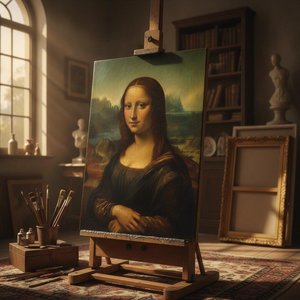
Mastering the Surface: A Historical and Technical Guide to the Art of Oil on Panel Painting
Explore the profound history and technical brilliance of oil on panel painting. From Renaissance masters to modern techniques, discover why this rigid support offers unparalleled precision and permanence for fine art lovers and collectors.

Oil on Board: A Historical Survey of Technique, Aesthetic Qualities & Enduring Appeal
Explore the rich history of oil on board painting! Discover techniques, aesthetic qualities & enduring appeal from early masters to modern practice. Expert insights for collectors and art enthusiasts.

Oil on Canvas: A Historical & Technical Exploration of a Timeless Artistic Medium
Explore the rich history & enduring techniques of oil painting on canvas. Discover the science behind its longevity, conservation practices, and contemporary relevance. Expert insights for art enthusiasts.