

 プレビュー
プレビュー
 シェアする
シェアする シェアする
シェアする
 詳細を見る
詳細を見る

 ダウンロード
 似ている作品
 X線調査
X線調査 スライドショー
 統計情報
統計情報St Eligius in His Workshop
 Oil On Canvas
- WallArt
- Early Netherlandish Painting
 1449
1449 98.0 x 85.0 cm
 メトロポリタン美術館
 詳細を見る
詳細を見る
手描き油彩複製画
当社のアーティストが、お客様のご希望のサイズと額縁に合わせて、キャンバスに手描きで制作する油彩画です。 ( プリント版に切り替え デジタル画像販売へ切り替え)




P118B $10

P118H $10

P118W $10

P438Z $10

P508JH $12

P508YH $12

P805H $10

P805Z $10

P919BZ $10

P919G $10

P919XJ $10

P959ZH $10

P968JZ $12

W106C $8

W218G $10

W218JH $8

W218Y $10

W307PJ $10

W316G $10

W316PJ $8

W316Y $10

W398PJ $8

W4111J $10

W500HY $15

W500JH $15

W692G $12

W849H $8

W940BG $15

W953PJ $8




作品のオリジナル比率に合わせた、当店の規定サイズからお選びください。

特定のフレームやスペースに合わせて、ご希望のサイズをご入力いただけます。選択されたサイズが元の画像の比率と異なる場合、アートワークをトリミングするか、手描きで要素を追加して絵画を拡張いたします。デジタルモックアップ を制作し、制作開始前にご確認(承認)をいただきます。
画面上のプレビューは、実際のトリミングや拡張を正確に反映しているものではありません。最終的な構図は、モックアップによってのみ正確にご確認いただけます。
カスタムサイズもご利用いただけますが、元の比率を維持するためには、あらかじめ用意されたリストからサイズを選択することをお勧めいたします。
ご注文後、OriginalUniqueArt.com チームより詳細な指示をお送りするとともに、仕上がりイメージ(モックアップ)をご提供いたします。


 ガラスオプションは、110cm未満のサイズでのみご利用いただけます。

St Eligius in His Workshop
複製技法
複製画のサイズ
-


合計金額
$ 300
A Window Into Sorrow: Petrus Christus’s “Man of Sorrows”
Petrus Christus's "Man of Sorrows," painted around 1450, isn’t merely a depiction of Christ; it’s an intimate invitation into the heart of his suffering. This small panel, now residing in the Birmingham Museum and Art Gallery, transcends its modest size to deliver a profoundly moving experience – a testament to the artist's mastery of detail and his ability to imbue a single figure with immense emotional weight. It stands as a pivotal work, bridging the gap between the meticulous realism of Jan van Eyck and the burgeoning expressiveness of the Northern Renaissance, marking a significant step in Christus’s own artistic evolution.
The painting immediately draws the viewer into a scene of quiet contemplation. Christ, stripped bare save for his flowing garments, is presented not as a triumphant savior, but as a vulnerable figure caught in the throes of agony. His face, rendered with an almost unnerving realism – pale, etched with lines of pain, and framed by the thorns of the crown – conveys a palpable sense of anguish. The wounds inflicted during his Passion are starkly visible, a brutal reminder of the sacrifice he endured. Christ’s posture, slumped slightly forward, suggests both exhaustion and a profound acceptance of his fate. It's a far cry from the idealized depictions common in earlier religious art; here, Christ is undeniably human, burdened by the weight of humanity’s sins.
The Language of Grief: Symbolism and Composition
Christus masterfully employs symbolism to deepen the painting’s emotional resonance. The dark green curtain, held open by two solemn angels, acts as a veil, hinting at the mysteries surrounding death and resurrection. The angel on the left brandishes a sword – a potent symbol of judgment and sacrifice, while his counterpart holds a bunch of lilies, representing purity, innocence, and mourning. This carefully orchestrated pairing underscores the duality of Christ’s suffering: both a punishment for sin and a pathway to redemption. The composition itself is remarkably restrained, focusing entirely on Christ's figure and the immediate surroundings. The limited palette – primarily muted browns, greens, and blues – contributes to the painting’s somber mood, amplifying the sense of grief and vulnerability.
Interestingly, Christus draws upon a long artistic tradition represented by earlier depictions of the “Man of Sorrows,” particularly those found in medieval miniatures. However, he elevates this familiar motif through his meticulous attention to detail and his subtle use of light and shadow. The way the blood streams from Christ’s wounds, the delicate texture of his garments, and the expressive quality of his face all speak to Christus's exceptional technical skill. The inclusion of the mirror in the background is a clever device, reflecting two figures – likely Mary of Guelders and James II – adding another layer of narrative complexity and suggesting that Christ’s suffering extends beyond himself.
A Masterclass in Technique: The Christus Touch
Christus's style is characterized by an extraordinary level of detail and a remarkable ability to render textures with astonishing accuracy. His use of oil paint, a relatively new medium at the time, allowed him to achieve subtle gradations of color and create a luminous quality that was previously unattainable with tempera or fresco. The painting’s surface is remarkably smooth, reflecting Christus's painstaking application of layers upon layers of thin glazes. This technique not only creates a sense of depth and realism but also contributes to the overall feeling of intimacy – as if the viewer is standing face-to-face with Christ himself.
Furthermore, Christus’s approach to perspective—a key innovation in Northern Renaissance art—is evident in the subtle distortions of the figures reflected in the mirror. This demonstrates a sophisticated understanding of spatial relationships and adds another layer of visual interest to the composition. The painting is a remarkable example of how Christus seamlessly integrated technical mastery with artistic expression, creating a work that is both visually stunning and emotionally profound.
A Timeless Reflection: Emotional Impact and Legacy
"Man of Sorrows" continues to resonate with viewers centuries after its creation. Its power lies not in grand gestures or dramatic scenes, but in its quiet contemplation of suffering and sacrifice. It’s a painting that invites reflection on themes of mortality, redemption, and the enduring nature of faith. The image is profoundly moving, prompting viewers to consider their own relationship to pain, loss, and hope.
Christus's work stands as a cornerstone in the development of Northern Renaissance art, influencing generations of painters who followed. “Man of Sorrows” serves as a poignant reminder of the artist’s genius – his ability to capture not just the outward appearance of reality but also the deepest emotions within the human heart. It remains a powerful and enduring testament to the transformative power of art.
アーティストの略歴
ブルージュの巨匠:ペトルス・クリストゥスの生涯と芸術
ヤン・ファン・エイクやロヒール・ファン・デル・ウェイデンといった同時代の巨匠たちに比べると、ペトルス・クリストゥスという名は、すぐには馴染みがないかもしれません。しかし、初期ネーデルラント絵画の発展において、彼が極めて重要な地位を占めていることは疑いようのない事実です。ベルギーとオランダの国境に位置する小さな公領、バールレ=ヘルトホフに1465年頃に生まれたクリストゥスは、かつてない芸術的革新が巻き起こった時代、ブルージュで活躍した主要な画家の一人としてその名を現しました。当時の多くの画家と同様、彼の生涯に関する詳細な記録は乏しいものですが、現存する作品群は、彼の卓越した技術、知的好奇心、そして宗教的な象徴性と油彩画の新たな可能性に対する深い洞察を雄弁に物語っています。彼は単にファン・エイクの足跡を辿る追随者ではありませんでした。リアリズムと遠近法の境界を、繊細かつ劇的に押し広げた革新者であり、15世紀の芸術的景観に消えることのない足跡を残したのです。初期のキャリアと芸術の礎
クリストゥスが歴史の記録に初めて登場するのは1444年のことで、ブルージュの熟練した画家として記されています。師の名前こそ不明ですが、彼が徹底した修行を積んだことは想像に難くありません。確かなのは、彼がブルージュの繁栄する芸術コミュニティの中で、瞬く間にその地位を確立したことです。1441年のヤン・ファン・エイクの死後、クリストゥスはその空白を埋めるかのように、ブルージュで最も求められる画家の一人となりました。初期の作品には、細部への執着、油彩特有の光輝、そして日常的な事物に込められた象徴的な豊かさといった、ファン・エイクの技法に対する鋭い意識が見て取れます。しかし、彼は単なる模倣に留まりませんでした。クリストゥスは、明晰さや建築的な背景、そしてより洗練された線遠近法の理解を強調した、独自のスタイルを築き上げ始めたのです。また、ロヒール・ファン・プリデンデンの影響も吸収しており、特に感情の深みや精神的な強烈さを表現する能力において、その恩恵を受けていました。遠近法とリアリズムにおける革新
クリストゥスの最も重要な功績は、線遠近法の見事な応用にあると言えるでしょう。ファン・エイクも作品の中に空間的な奥行きを取り入れてはいましたが、クリストゥスはそれをさらに一歩進め、驚くほど説得力のある奥行きと立体感を持つ絵画を生み出しました。その真価は、現在ナショナル・ギャラリーに収蔵されている聖母子などの作品に顕著に表れています。そこでは、建築的な背景が数学的な精密さをもって遠方へと退行していきます。彼は単に写実的な空間を作り出したのではありません。遠近法を用いることで、鑑賞者を画面の「中」へと引き込み、主題とのより親密な結びつきを促したのです。これは単なる技術的な試みではなく、絵画の精神的なインパクトを高め、観る者を瞑想と祈りへと誘うための装置でもありました。また、薄い油彩の層を重ねることで比類なき輝きと細部を実現する緻密な技法が、このリアリズムをさらに強化しました。布のひだから金属の光沢に至るまで、あらゆる質感が驚くべき正確さで描き出されています。主要作品と象徴の言語
聖母子以外にも、クリストゥスは自身の芸術的技能と知的な深みを示す優れた作品を数多く残しています。現在チューハイセン・ボルネミッサ美術館にある若い男の肖像は、人間の個性を捉える彼の能力を示す極めて魅力的な例です。描かれた人物の眼差しは率直で惹きつけられるものがあり、知性と自意識を感じさせます。この作品にはクリストフースの繊細な象徴表現も見て取れます。例えば、灯された一本の蝋燭は「世の光」としてのキリストを象徴しているかもしれず、窓辺のオレンジは純潔や徳を暗示しているかもしれません。彼はこうした象徴的な要素を頻繁に作品に組み込み、視覚的な美しさを超えた意味の深みを与えていました。もう一つの重要な作品である最後の審判は、ダイナミックな空間の中に複数の人物を描き出す、複雑で高度な構成力を示す傑作です。遺産と歴史的意義
1476年、クリストゥスはブルージュでその生涯を閉じました。彼が残した作品群は、規模こそそれほど大きくはありませんが、後世に多大な影響を与えました。線遠近法における革新と緻密な技法は、後の世代の画家たちに永続的な影響を及ぼしたのです。彼は大規模な工房を築いたり、多くの弟子を抱えたりしたわけではありませんでしたが、彼のスタイルは同地域の他の画家たちに吸収され、北方のルネサンス絵画の広範な発展に寄与しました。国際ゴシック様式と、15世紀に台頭したより自然主義的な傾向との架け橋となり、ハンス・メンクリンやフーゴ・ファン・デル・グースといった巨匠たちが登場するための道を切り拓いたのです。今日、ペトルス・クリストゥスは初期ネーデルラント絵画の重要人物として認められています。その美しさ、写実性、そして知的な深みによって、今なお観る者を魅了し続ける熟練の職人なのです。彼の作品は、15世紀ブルージュの芸術的・宗教的世界への比類なき窓であり、現実を反映すると同時に、私たちの現実認識を形作る絵画の力を、私たちに再認識させてくれます。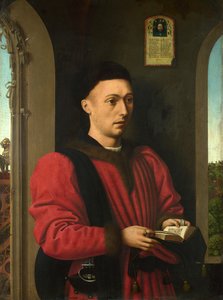
ペトルス・クリストゥス
1465 - 1476 , ベルギー
基本情報
- Artistic Movement Or Style: 初期ネーデルラント絵画
- Artists Or Movements Influenced By This Artist:
- ヤン・ファン・エイク
- ロヒール・ファン・デル・ウェイデン
- Artists Who Influenced This Artist:
- ヤン・ファン・エイク
- ロヒール・ファン・デル・ウェイデン
- Date Of Birth: 1465年
- Date Of Death: 1476年
- Full Name: ペトルス・クリストゥス
- Nationality: ベルギー
- Notable Artworks:
- 聖母子
- 青年肖像画
- Place Of Birth: ベルギー、バールル=ヘルトホフ
関連記事

Jan Gossart: Bridging Netherlandish Realism & Renaissance Humanism – A Comprehensive Exploration
Explore the captivating world of Jan Gossart, a pivotal figure bridging Netherlandish realism & Renaissance humanism. Discover his masterpieces, patronage, and lasting influence – an essential guide for discerning art collectors.

エル・グレコの傑作25選:魂を揺さぶる宗教画と芸術の深淵 | OriginalUniqueArt
エル・グレコの傑作25選:魂を揺さぶる宗教画の世界へ。スペイン絵画の巨匠、マニエリスム様式と Toledo の光彩を紐解きます。OriginalUniqueArt.com で名画のアートプリントや複製画をお楽しみください。コレクションはこちら →
ヒエロニムス・ボッシュ傑作25選:幻想と寓意の世界 | OriginalUniqueArt
ヒエロニムス・ボッシュの傑作25選。中世絵画の幻想的な世界を巡り、寓意と象徴に満ちた作品群を紐解きます。OriginalUniqueArtで高品質な油絵複製やアートプリントをお楽しみください。ボッシュの色彩とテーマをあなたの空間に。今すぐコレクションをご覧ください。

Illuminating Realism: A Comprehensive Exploration of the Early Netherlandish Renaissance Movement
Explore the captivating world of Early Netherlandish painting! Discover Jan van Eyck & other Flemish masters, their revolutionary techniques, hidden symbolism, and lasting legacy. A comprehensive guide for art enthusiasts.

Early Netherlandish Masters: 10 Paintings That Revolutionized Art & Decor
Journey into the Early Netherlandish Renaissance! Explore 10 iconic paintings by Jan van Eyck, Rogier van der Weyden & more. Discover stunning detail, symbolism, and oil painting techniques. Find museum-quality art reproductions for your home at OriginalUniqueArt.com.