
 設置イメージを表示
 シェアする
シェアする シェアする
シェアする
 詳細を見る
詳細を見る ガイドを表示

 ダウンロード
 似ている作品
 X線調査
X線調査 スライドショーを表示
 Q&A
Q&A 統計情報
統計情報Romance

- 50.0 x 43.0 cm

 詳細を表示
詳細を表示
このページに掲載されている作品は著作権法によって保護されており、当社の許可なく同一の複製物を制作または販売することは法律で禁じられています。この保護は、以下のような国際条約に基づき執行されます。 ベルヌ条約 および、以下の条項に定められたものを含む各国の法律により、 米国著作権法 第17編。
この手法は、著作権で保護された作品の複製や複写を伴わないため、著作権法に完全に準拠しています。これは単なる模倣ではなく、創造的な再解釈です。元の作品からインスピレーションを受けつつも、それとは異なる、全く新しい絵画を生み出すものです。
ジークレー/アートプリント
スピーディーな制作と多彩な仕上げオプションが魅力の、ミュージアムクオリティなジークレー・キャンバスプリント。 ( 手描き複製画を注文する デジタル画像販売へ切り替え)




































作品のオリジナル比率に合わせた、当店の規定サイズからお選びください。

額縁や壁のスペースに合わせて、ご希望の幅と高さを入力してください。プリントはカットすることは可能ですが、元の画像より大きくすることはできないため、異なる比率のサイズを選択された場合は、画像の一部が欠けることになります。印刷を開始する前に、内容を確認していただくためのデジタルモックアップをお送りいたします。このページに表示されている画像は、実際のカット後の状態を示すものではありません。実際の仕上がりはモックアップにてご確認ください。


 ガラスオプションは、110cm未満のサイズでのみご利用いただけます。

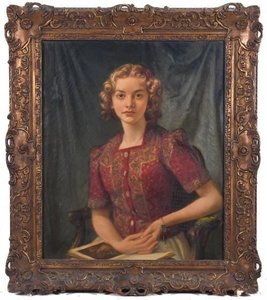
Romance
ジークレー/アートプリント
複製画サイズ一覧
-


合計金額
¥ 12798
作家プロフィール
A Master of Light and Form
The legacy of Peter Alexander Hay is etched into the delicate textures of watercolor and the commanding presence of oil on canvas. A versatile Scottish artist, his talent spanned a wide range of genres, allowing him to move seamlessly between the intimate world of still-life and the grand, sweeping narratives of landscape and portraiture. His mastery was not merely in the application of pigment, but in his ability to capture the very essence of his subjects, whether they were the quiet dignity of a single flower or the complex social tapestries of a formal gathering.
His technical prowess earned him prestigious recognition within the artistic community, as evidenced by his affiliations with esteemed institutions such as the Royal Institute of Painters in Water Colours and the Royal Scottish Society of Painters in Watercolour. These credentials speak to a lifetime of dedication to the craft, reflecting a skill set that was both refined and deeply rooted in the traditions of his era. Through his work, one can observe a profound connection to the natural world and a keen eye for the human condition.
The Art of Portraiture and Narrative
In his portraiture, Hay possessed a remarkable ability to convey character and status through meticulous detail and thoughtful composition. His works often serve as historical windows, capturing the gravity of notable figures with a realism that breathes life into the past. One might gaze upon his John Millar Thomson and feel the weight of the subject's formal red robe, or find themselves drawn into the commanding presence of Captain William Gordon Rutherford. These paintings are more than mere likenesses; they are studies in light, shadow, and the psychological depth of the sitter.
Beyond individual portraits, Hay demonstrated a unique capability for capturing collective moments and historical significance. His large-scale oil painting, College Meeting, 1889, stands as a testament to his ability to orchestrate complex scenes involving multiple figures within a setting of great institutional importance. In such works, the artist utilizes color and composition to create a sense of atmosphere and permanence, ensuring that the historical gravity of the event is felt by the viewer long after they have turned away from the canvas.
A Versatile Artistic Vision
The breadth of Hay's repertoire allowed him to explore various facets of the visual experience. While his oil paintings often leaned toward the dramatic and the monumental, his watercolor works offered a more ethereal and delicate perspective. This duality is central to understanding his contribution to the art world; he was an artist who could command the heavy textures of oil to create depth and drama, yet also possessed the restraint required for the subtle gradations of watercolor.
His artistic journey was marked by several notable achievements and recognitions:
- Genre Versatility: An accomplished practitioner of genre, still-life, portrait, and landscape painting.
- Institutional Recognition: A respected member of the Royal Institute of Painters in Water Colours and the Royal Scottish Society of Painters in Watercolour.
- Historical Documentation: A creator of works that serve as vital visual records of significant figures and institutional gatherings.
Peter Alexander Hay
1926 - 2011 , Austria
プロフィール概要
- Artistic Movement Or Style: Genre, still-life, portrait and landscape
- Full Name: Peter Alexander Hay
- Nationality: Scottish
- Notable Artworks:
- Charles Bernard Hodgson
- Captain William Gordon Rutherford
- John Millar Thomson
- College Meeting, 1889
- Place Of Birth: Vienna, Austria
- Date Of Birth: 1926
- Date Of Death: 2011