

 設置イメージを確認
 送る
送る シェア
シェア
 詳細情報
詳細情報 ガイドを表示

 画像をダウンロード
 似ている作品
 X線調査
X線調査 スライドショー
 統計情報
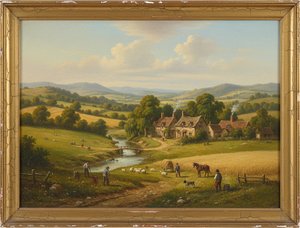
統計情報On the Road to Church


 続きを読む
続きを読む
ジークレー/アートプリント
スピーディーな制作と多彩な仕上げオプションが魅力の、ミュージアムクオリティなジークレー・キャンバスプリント。 ( 手描きの複製画を注文する デジタル画像販売へ切り替え)




































作品のオリジナル比率に合わせた、当店の規定サイズからお選びください。

特定のフレームやスペースに合わせて、ご自身でサイズを指定することも可能です。選択されたサイズが元の画像の比率と一致しない場合、作品をトリミングするか、鏡面反射または単色での塗りつぶしによって画像を拡張いたします。制作を開始する前に、ご確認用のデジタルモックアップをお送りいたします。
画面上のプレビューには、実際のトリミングや拡張は反映されませんのでご注意ください。最終的な構図を正確に確認できるのは、モックアップのみとなります。
カスタムサイズも承っておりますが、元の比率を維持するためには、あらかじめ用意されたリストからサイズを選択することをお勧めいたします。


 ガラスオプションは、110cm未満のサイズでのみご利用いただけます。

On the Road to Church
ジークレー/アートプリント
複製画サイズ一覧
-


合計金額
$ 80
アーティストについて
Early Life and Artistic Foundations
Peet Aren, born on June 29th, 1889, in the small Estonian village of Odiste, emerged from a landscape steeped in rural tradition and burgeoning national identity. His early life was profoundly shaped by the natural world—the ancient forests and isolated farmlands of Viljandi County instilled within him a deep connection to his homeland that would resonate throughout his artistic career. This formative period laid the groundwork for a sensibility attuned to both realism and an emerging sense of Estonian cultural pride. In 1908, at the age of nineteen, Aren embarked on a pivotal journey to St. Petersburg, enrolling in the prestigious Society for the Encouragement of Artists. This marked his formal entry into the world of art, where he honed his skills in painting and began to explore the possibilities of artistic expression.
A Multifaceted Career: Teaching and Graphic Design
Following his studies, Aren returned to Estonia during a period of newfound independence (1918-1940). He quickly established himself as a versatile artist, embracing roles beyond that of a painter. From 1920 to 1925, he shared his knowledge and passion as a teacher at the State Industrial Art School in Tallinn, nurturing the next generation of Estonian artists. He then moved to Tartu, taking on a teaching position at the esteemed Pallas Art School from 1926 to 1930. However, it was during the 1930s that Aren truly distinguished himself as a graphic artist—a medium through which he could most effectively contribute to the visual language of his nation. This period saw him designing iconic emblems and symbols that became deeply intertwined with Estonian cultural identity.
Symbols of a Nation: The Drama Theatre Emblem and the Cross of Liberty
Aren’s impact on Estonia extends far beyond individual canvases; he left an indelible mark on the very fabric of its national consciousness. Perhaps his most enduring legacy lies in his design of the emblem for the Estonian Drama Theatre, a symbol that continues to represent the heart of Estonian performing arts. Even more profoundly, Aren was commissioned to create the design for the Cross of Liberty—a powerful and poignant award recognizing valor and sacrifice during Estonia’s struggle for independence. This commission speaks volumes about the trust placed in his artistic vision and his ability to encapsulate complex national narratives within a single, striking image. The Cross of Liberty is not merely a decorative object; it embodies the spirit of Estonian resilience and self-determination.
Exile and Artistic Adaptation: New York Years
The shadow of World War II loomed large over Estonia, disrupting lives and reshaping destinies. In 1944, facing increasing turmoil and health concerns, Aren made the difficult decision to flee his homeland, seeking refuge first in Germany before ultimately settling in New York City in 1949. This relocation marked a significant turning point in his artistic journey. Adapting to a new environment and urban landscape, Aren shifted his focus towards paintings of the cityscape—a stark contrast to the rural scenes that had characterized much of his earlier work. Despite the challenges of exile, he continued to paint prolifically until his death on January 26th, 1970, at the age of eighty.
Legacy and Enduring Influence
Peet Aren’s artistic legacy is one of remarkable versatility, unwavering dedication, and a deep-seated commitment to Estonian cultural identity. His work seamlessly blended elements of Expressionism with graphic precision, creating a unique visual language that continues to resonate today. He was not simply an artist; he was a cultural architect, shaping the symbols and imagery that defined a nation. While his paintings capture moments in time and evoke specific emotions, it is perhaps his graphic designs—the emblem of the Estonian Drama Theatre and the Cross of Liberty—that have secured his place as one of Estonia’s most important artists. His innovative approach to art continues to inspire generations of Estonian creatives, ensuring that his vision endures.

peet aren
1889 - 1970 , Estonia
アーティスト情報
- Artistic Movement Or Style: Realism, Expressionism
- Date Of Birth: June 29, 1889
- Date Of Death: January 26, 1970
- Full Name: Peet Aren
- Nationality: Estonian
- Notable Artworks: ['On the Road to Church']
- Place Of Birth: Tallinn, Estonia
関連記事

ロマン派ランドスケープ:時代を彩る巨匠の10選|アートとインテリアの世界
ロマン派絵画の時代を彩る10選。巨匠たちの風景が織りなす感動の世界へ。ターナー、ルーベンスなど、名作の裏話と高精細複製でアートをお部屋に。OriginalUniqueArt.comで至福のアート体験を。
Evocations of Rural Life: A Historical Journey Through Landscape Painting
Explore the rich history of rural life in painting! Discover Impressionist masterpieces, Italian Macchiaioli scenes & the enduring appeal of pastoral landscapes. Find your perfect artwork at OriginalUniqueArt.

ジョン・コンスタブルの傑作25選:英国風景画の巨匠が描く自然と光の詩 | OriginalUniqueArt
ジョン・コンスタブルの傑作25選。英国風景画の巨匠が描く自然と光の詩の世界へ。ロマン主義を代表する絵画、デダム・ヴェールやヘイ・ウェインなど、OriginalUniqueArtで高品質なアートプリントをお楽しみください。インテリアに深みと感動を。コレクションはこちら。

Cultivating Visions: A Historical Journey Through Rural Landscapes in Art
Explore the rich history of rural landscape painting with OriginalUniqueArt. Discover Impressionist masterpieces, key artists & movements. Find your perfect serene artwork and bring nature's beauty home.

Evocations of Place: A Historical Journey Through Landscape Art
Explore the rich history of landscape art with OriginalUniqueArt. Discover renowned artists, movements like Impressionism & Romanticism, and expert guidance for collecting timeless pieces. Find your perfect serene escape today!