

 設置イメージを確認
 送る
送る シェア
シェア
 詳細情報
詳細情報 ガイドを表示

 画像をダウンロード
 似ている作品
 X線調査
X線調査 スライドショー
 Q&A
Q&A 統計情報
統計情報5 4 3 2 - (1)

 続きを読む
続きを読む
ウェブ上のプレビューを遥かに凌駕する、印刷に最適なファイルをご提供します。当サイトで販売しているすべてのデジタル画像は、弊社のデータベース内にある高解像度のマスターデータ(通常、幅5,000〜15,000ピクセル)から作成されています。そのため、大判印刷やタイトなクロップ、細部まで緻密な再現も、安心してお楽しみいただけます。
当スタジオから送り出される画像は、すべて丁寧に加工されています。デジタルエキスパートが原画と照らし合わせて色調を精査し、必要に応じて補正を行った上で、プロ仕様のリタッチツールを用いて鮮明さと細部を向上させます。その際、アーティストの筆致やスタイルに忠実であることを常に追求しています。その結果、単なるスキャン画像にフィルターをかけたようなものではなく、まるで本物の絵画を見ているかのような仕上がりを実現しています。
仕上がりをご確認いただいてから完了となります。専門スタッフが、ご確認用の画像を72時間以内にメールでお送りいたします。もしご満足いただけない場合は、修正や改善のご要望を承るほか、品質が基準に満たない場合には返金も可能です。
出版社、デザインスタジオ、ギャラリー、そして印刷所から信頼される品質です。
デジタル画像
個人での鑑賞、印刷、クリエイティブなプロジェクトにご利用いただける高解像度ファイルをダウンロードできます。 ( プリント版に切り替え 手描きの複製画を注文する)
デジタル画像のご注文に付随する特典
プロフェッショナルなデジタル配信を、確かな品質で。
OriginalUniqueArt.com を選ぶことは、単に画像を手に入れることではありません。プロの手によって精密に仕上げられ、満足保証が付いた高品質なデジタルアートワークを受け取ることを意味します。ご注文いただいた際に自動的に付随する内容は、以下の通りです:

メールですぐにお届け
ご注文から72時間以内に、高解像度のデジタル画像ファイルをメールでお送りいたします。お手元に届き次第、すぐにご利用いただけます。

AI技術で最適化されたデジタルファイル
お客様の作品は、高度なAI技術と専門家による手作業を組み合わせてプロフェッショナルに最適化されており、細部のディテール、鮮明さ、そして正確な色再現性を最大限に引き出しています。

一生涯無料の再送サービス
ファイルを誤って削除したり、紛失してしまったりしましたか?ご安心ください。いつでも無料で再送いたします。

輸入手数料は、いつでも一切かかりません
関税や手数料、配送料を気にすることなく、お気に入りのアートワークをすぐにお楽しみいただけます。デジタルダウンロードは常に免税です。

正確な色彩の保証
プロ仕様のツールとカラーマネジメント技術を用いることで、デジタル画像が元の色を最大限に忠実に再現することを保証いたします。

100日間満足保証
ご購入いただいたデジタル画像にご満足いただけない場合は、100日以内であれば、理由を問わず修正または100%の返金対応をさせていただきます。

100% 返金保証
ご満足いただけない場合は、デジタルファイルを受け取ってから100日以内であれば、理由を問わず全額返金いたします。

まとめ買い割引
3枚購入で10%OFF、5枚購入で15%OFF、10枚以上のご購入で20%OFF。クリエイティブなプロジェクトやギャラリー、エージェンシーに最適です。
アーティスト・プロフィール
The Radiant Rebellion of Pauline Boty
Pauline Boty stands as a singular, luminous figure in the history of British art, recognized as the only female member of the vibrant 1960s Pop Art movement. Her artistic vision—characterized by bold colors, geometric forms, and an unapologetic celebration of femininity—challenged the rigid societal expectations of her era and foreshadowed the burgeoning feminist discourse of the 1970s. More than just a painter, Boty embodied a rebellious spirit that captivated audiences and cemented her place as a herald of a transformative cultural epoch. Her work does not merely observe popular culture; it inhabits it, weaving together the glamour of cinema, the energy of mass media, and the profound complexities of female identity.
Born in 1938 in Carshalton, Surrey, into a middle-class Catholic family, Boty’s formative years were shaped by a poignant domestic tension. She was the youngest of four children, raised under the watchful eye of a stern, disciplinarian father who instilled in her a keen awareness of gendered limitations within a patriarchal structure. In stark contrast, her mother provided a silent, sympathetic inspiration; a frustrated artist herself, her mother had been denied parental permission to pursue studies at the prestigious Slade School of Fine Art. This familial dynamic undoubtedly fueled Boty’s determination to defy conventional boundaries and forge a path that her predecessors could not.
A Journey Through Color and Collage
Boty's academic trajectory was marked by both remarkable achievement and the navigation of institutionalized sexism. In 1954, she secured a scholarship to the Wimbledon School of Art, an accomplishment that signaled the arrival of a formidable talent. It was here that her tutor, Charles Carey, encouraged her to experiment with collage techniques, a decision that would become pivotal in shaping her signature style. Her studies were diverse, encompassing lithography and stained glass design, disciplines that equipped her with a sophisticated understanding of light, texture, and layered composition. During this period, her schoolmates affectionately dubbed her “the Wimbledon Bardot,” a nod to the French film star Brigitte Bardot, whose image of youthful glamour and sexual liberation would later resonate deeply within Boty’s own aesthetic language.
As she progressed to the Royal College of Art, studying stained glass from 1958 to 1961, Boty continued to push the boundaries of her medium. Although she had hoped to enter the School of Painting, she was dissuaded by the reality that admission rates for women were significantly lower in that department. Undeterred, she utilized her training to create works that felt both structural and fluid. Her development as an artist saw her moving toward a more experimental approach, where the boundaries between high art and popular imagery blurred. She began to integrate elements of mass media—celebrity portraits, advertisements, and cinematic icons—into her compositions, creating a visual language that was as much about the zeitgeist as it was about personal expression.
Legacy of a Pop Art Pioneer
The work of Pauline Boty is characterized by a profound joy in self-assured femininity and female sexuality, often paired with a sharp, implicit criticism of the "man's world" she inhabited. Her pieces, such as “Monica Vitti with Heart” or “The Only Blonde in the World,” utilize vibrant palettes and fragmented imagery to explore themes of identity and desire. Through her use of collage, she could layer disparate cultural symbols, creating a surreal landscape where the personal and the political intersect. Her art was a provocative statement, using the very tools of popular culture to critique the structures that sought to marginalize women.
Though her life was tragically cut short in 1966 at the age of only twenty-eight, Boty's impact remains indelible. She was a pioneer who navigated the intersection of art and activism long before the term "feminist art" had entered the mainstream lexicon. Today, she is celebrated not just as a participant in the Pop Art movement, but as a visionary who used the canvas to demand visibility for the female experience. Her rediscovered legacy continues to inspire, reminding us of the power of art to challenge norms and celebrate the enduring strength of the human spirit.
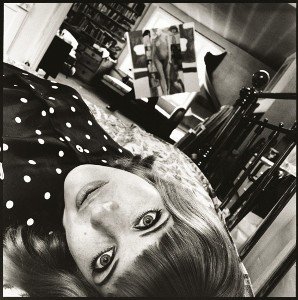
Pauline Boty
1938 - 1966
略歴
- Full Name: Pauline Boty
- Nationality: English
- Date Of Birth: 1938
- Date Of Death: 1966
- Place Of Birth: Carshalton, Surrey, England
- Notable Artworks:
- The Only Blonde in the World
- Big Jim Colosimo
- Celia birtwell and some of her heroes
- Artistic Movement Or Style: British Pop Art
- Artists Who Influenced This Artist: ['Charles Carey']
- Artists Or Movements Influenced By This Artist:
- David Hockney
- Peter Blake