

 設置イメージを確認
 送る
送る シェア
シェア
 詳細情報
詳細情報 ガイドを表示

 画像をダウンロード
 似ている作品
 X線調査
X線調査 スライドショー
 統計情報
統計情報Sleeping
 Acrylic
- WallArt
- Contemporary Realism
 1986
1986 149.0 x 149.0 cm
 Arts Council Collection
 続きを読む
続きを読む
このページに掲載されている作品は著作権法によって保護されており、当社の許可なく同一の複製物を制作または販売することは法律で禁じられています。この保護は、以下のような国際条約に基づき執行されます。 ベルヌ条約 および、以下の条項に定められたものを含む各国の法律により、 米国著作権法 第17編。
敬意を払った法的な代替手段として、私たちはオリジナルにインスピレーションを与えられた、カスタムの手描きアートワークを提供しています。私たちの熟練したプロのアーティストは、元の作品が持つスタイル、情緒、そして芸術的なエッセンスを注意深く研究し、独自の創作物でありながら、同じ感性を呼び起こすような、新しくユニークな作品を作り上げます。
この手法は、著作権で保護された作品の複製や複写を伴わないため、著作権法に完全に準拠しています。これは単なる模倣ではなく、創造的な再解釈です。元の作品からインスピレーションを受けつつも、それとは異なる、全く新しい絵画を生み出すものです。
手描き油彩複製画
当社のアーティストが、お客様のご希望のサイズと額縁に合わせて、キャンバスに手描きで制作する油彩画です。 ( プリント版に切り替え デジタル画像販売へ切り替え)




P118B ¥10

P118H ¥10

P118W ¥10

P438Z ¥10

P508JH ¥12

P508YH ¥12

P805H ¥10

P805Z ¥10

P919BZ ¥10

P919G ¥10

P919XJ ¥10

P959ZH ¥10

P968JZ ¥12

W106C ¥8

W218G ¥10

W218JH ¥8

W218Y ¥10

W307PJ ¥10

W316G ¥10

W316PJ ¥8

W316Y ¥10

W398PJ ¥8

W4111J ¥10

W500HY ¥15

W500JH ¥15

W692G ¥12

W849H ¥8

W940BG ¥15

W953PJ ¥8




作品のオリジナル比率に合わせた、当店の規定サイズからお選びください。

フレームや壁のスペースに合わせて、ご希望の幅と高さを入力してください。本作品は手描きのため、異なる比率のサイズをご希望の場合、絵画の周囲を少し広げて描くか、あるいは端を少しカットして調整することが可能です。お客様のご要望に合わせます。制作を開始する前に、仕上がりを確認するためのデジタルモックアップをお送りいたします。このページに表示されている画像は完成品の実物ではなく、あくまでモックアップによるイメージです。
ご注文後、OriginalUniqueArt.com チームより詳細な指示をお送りするとともに、仕上がりイメージ(モックアップ)をご提供いたします。


 ガラスオプションは、110cm未満のサイズでのみご利用いただけます。

Sleeping
再現技法
複製画サイズ一覧
-


合計金額
¥ 47215
Paula Rego's "Sleeping": A Chronicle of Innocence and Shadow
Paula Rego’s “Sleeping,” painted in 1986, is more than just a depiction of slumbering girls; it’s a meticulously crafted narrative brimming with unsettling beauty and layered symbolism. Measuring 149 x 149 cm, this work immediately draws the viewer into a scene that simultaneously evokes warmth and profound unease. Rego, deeply influenced by her Portuguese heritage and the political realities of her upbringing – particularly the oppressive regime of António Salazar – consistently explored themes of power, vulnerability, and the darker aspects of human nature through her distinctive figurative style.
- Subject Matter: The painting centers around two young girls lying asleep, seemingly protected by a watchful figure. However, the surrounding details introduce an element of ambiguity, transforming what might initially appear as a tender scene into one fraught with potential danger.
- Technique: Rego’s masterful technique is immediately apparent in her use of rich, saturated colors and precise detailing. Her brushwork is both controlled and expressive, creating a tactile quality that invites close inspection. The figures are rendered with remarkable realism, yet their expressions and postures hint at hidden emotions and unspoken narratives.
Symbolism Woven into the Fabric of the Scene
“Sleeping” is replete with symbolic elements that resonate deeply within the context of Rego’s artistic practice and Renaissance iconography. The sprig of blossom, a traditional symbol of innocence and new life, sits incongruously alongside the menacing shadow cast by the rake – a tool often associated with destruction and disruption. This juxtaposition immediately establishes a tension between idealized notions of childhood and the lurking presence of threat. The pelican, a recurring motif in Rego’s work, further complicates the scene; its open beak suggests both nurturing and potential predation. The positioning of the girls themselves—one leaning on a tree trunk, another kneeling – subtly reinforces themes of dependence and observation.
Historical Context and Rego's Narrative Vision
Painted in 1986, “Sleeping” represents a pivotal moment in Rego’s artistic evolution. Following her breakthrough series ‘Girls and Dog’ paintings, she continued to refine her style, embracing greater realism while retaining her characteristic ability to infuse her work with psychological depth. This painting prefigures "The Nursery Rhymes," an etching series from 1989 that further explored the unsettling potential within seemingly innocent narratives. Rego's work reflects a broader trend in late 20th-century art, challenging conventional representations of women and exploring complex social issues through intensely personal and often disturbing imagery. The echoes of Renaissance symbolism, deliberately employed, underscore the timeless nature of human anxieties and the enduring power of storytelling.
Emotional Impact and Artistic Significance
"Sleeping" possesses a haunting beauty that lingers long after viewing. It’s a painting that demands contemplation, prompting viewers to question their assumptions about safety, innocence, and the hidden dangers lurking beneath the surface. Rego's ability to capture such profound emotional complexity within a seemingly simple scene is a testament to her artistic genius. This work stands as a powerful example of her unique vision – a blend of meticulous observation, psychological insight, and a willingness to confront uncomfortable truths. Its enduring appeal lies in its capacity to evoke both fascination and unease, solidifying Rego’s place as one of the most important artists of her time.
よくあるご質問
「Sleeping」を特徴づける配色と主役となる色は何でしょうか?
Paula Figueiroa Rego作「Sleeping」の色彩表現:Walnut (#714623)を基調とした、Earthyなパレット。
Paula Figueiroa Rego作「Sleeping」のX線画像を見ることはできますか?
「Sleeping」は、作品のX線解析ページにて、層ごとに詳しく観察することができます。このビューアは修復家のライトベンチに着想を得ており、画像の11層にわたる光学的な読み取りを可能にしています。
Paula Figueiroa Rego作「Sleeping」の構図を主導している色は何ですか?
「Sleeping」の中で最も際立っている色はWalnut (#714623)です。作品の主色(メインカラー)を知ることは、インテリアとのコーディネートを考える際に役立ちます。
アーティストについて
A Tapestry of Shadows and Stories: The Life of Paula Rego
Dame Maria Paula Figueiroa Rego was far more than a mere painter; she was a master storyteller who used the canvas to weave intricate, often unsettling, tales of human experience. Born in Lisbon, Portugal, in 1935, her early life was shaped by the heavy, turbulent atmosphere of a world caught between tradition and political upheaval. This sense of underlying tension would become a permanent resident in her work. As she moved from the sun-drenched landscapes of her Portuguese roots to the academic rigor of the Slade School of Fine Art in London, Rego began to develop a visual language that was uniquely her own—one that blended the folk-inspired motifs of her childhood with a sophisticated, modern psychological depth.
Her artistic evolution is a fascinating journey from the abstract to the profoundly representational. In her early years, she experimented with the abstract trends prevalent in the mid-twuieth century, yet she soon found herself drawn to the power of the figure. She discovered that by utilizing recognizable forms—often inspired by storybooks, folklore, and even the domestic sphere—she could explore much darker, more complex themes. Her preference for pastels over oils allowed her to achieve a specific, tactile quality in her work, creating textures that felt both soft and strangely visceral, much like the dreamlike yet haunting narratives she sought to portray.
Feminism, Folklore, and the Unseen Narrative
At the heart of Rego’s oeuvre lies an unwavering commitment to feminist discourse. She possessed a rare ability to take the domestic, the mundane, and the "feminine" and infuse them with a sense of rebellion and agency. Her paintings often feature women navigating spaces that feel both intimate and claustrophobic, challenging the patriarchal gaze by presenting female characters who are complex, powerful, and sometimes even menacing. Through her work, she gave voice to the marginalized, using surrealist imagery to expose the hidden anxieties and societal pressures placed upon women.
This exploration of identity was deeply intertwined with her use of symbolism. Rego frequently employed animals—most notably rabbits—and elements of folklore to act as metaphors for human behavior and social structures. These figures were rarely mere decorations; they were participants in a larger, often surrealist drama. Her work invites the viewer into a world where the boundaries between reality and myth are blurred, forcing an engagement with the psychological truths that lie beneath the surface of everyday life. It is this ability to evoke such profound emotional responses—ranging from curiosity to deep unease—that defines her unique contribution to contemporary art.
Legacy and Artistic Triumph
The significance of Paula Rego’s career cannot be overstated. As a prominent member of The London Group and an Associate Artist at the National Gallery, she occupied a central position in the British modernist movement. Her accolades were numerous, reflecting her status as one of the most influential artists of her era, including being named a Dame Commander of the Order of the British Empire (DBE). Her exhibitions at prestigious institutions like the Calouste Gulbenkian Foundation and the Tate solidified her reputation on the international stage, ensuring that her vision reached far beyond the borders of the UK and Portugal.
Rego’s legacy is found in the way she transformed the act of painting into an act of social commentary. She left behind a body of work that serves as both a historical record of twentieth-century social shifts and a timeless exploration of the human psyche. Her ability to marry the beautiful with the grotesque, and the domestic with the political, continues to inspire generations of artists who seek to use narrative as a tool for profound discovery. Even after her passing in 2022, her stories remain alive, continuing to haunt, provoke, and captivate all who encounter them.
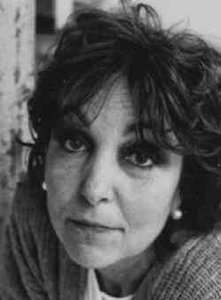
Paula Figueiroa Rego
1935 - 2022
アーティスト情報
- Artistic Movement Or Style: Surrealism, Expressionism, Feminist Art
- Artists Or Movements Influenced By This Artist: ['National Gallery']
- Artists Who Influenced This Artist: ['Carlo Crivelli']
- Date Of Birth: 1935
- Date Of Death: 2022
- Full Name: Maria Paula Figueiroa Rego
- Nationality: Portuguese
- Notable Artworks:
- War
- Untitled (456)
- Nanny, Small Bears and Bogeyman
- Place Of Birth: Lisbon, Portugal
関連記事
Alfredo Roque Gameiro: A Portuguese Master of Historical Painting & Artistic Eclecticism
Discover Alfredo Roque Gameiro (1864-1935), a renowned Portuguese painter celebrated for his vibrant watercolors and historical illustrations. Explore his legacy & artworks at OriginalUniqueArt.
ロイ・リキテンスタイン傑作25選:ポップアートの革新と現代美術への影響 | OriginalUniqueArt
ロイ・リキテンスタインの傑作25選。ポップアートを代表する画家、その技法と時代背景を紐解きます。ベンデイ・ドット、コミック表現…OriginalUniqueArtで高品質な複製画やインテリアアートを見つけ、空間にモダンアートの息吹を吹き込みましょう。全作品はこちらから: OriginalUniqueArt.com

Paula Modersohn-Becker: Pioneering Expressionism & the Intimate Self
Explore the groundbreaking work of Paula Modersohn-Becker, a pioneer of Expressionism. Discover her intimate self-portraits & poignant depictions of motherhood – shaping early 20th-century art with emotional depth and innovation.

黄金世紀の巨匠たち:バロック絵画が彩る10選|OriginalUniqueArt
オランダ黄金時代の10大傑作を紐解く!レンブラント、フェルメール…バロック絵画の魅力と時代背景を深く探求。OriginalUniqueArtで、至高のアートコレクションと空間演出のヒントを見つけよう。高品質なアートプリントで、お部屋を華やかに。
Alceu de Paula Penna: A Synthesis of Brazilian Modernism & Poetic Abstraction
Explore the captivating world of Alceu de Paula Penna, a pivotal figure in Brazilian Modernism. Discover his innovative concrete poetry & influence on Latin American art history. Expert insights for collectors.