Expressionism · 1901
Cowshed (パウラ・モーダーゾーン=ベッカー, 1901)
パウラ・モーダーゾーン=ベッカー (1876–1907)による作品『Cowshed』 制作年は1901年です。 Expressionism運動に属しています。 Oil On Canvasで制作されています。 サイズは30 × 40 cmです。
- 1901
- Oil On Canvas
- 30 × 40 cm

 設置イメージを表示

 手描き油彩画
 シェアする
 シェアする
 解説シート


 ダウンロード
 似ている作品
 X線調査
 スライドショーを表示
 Q&A

 統計情報
Cowshedの概要
- 作品名
- Cowshed
- 作家
- パウラ・モーダーゾーン=ベッカー (1876–1907)
- 生年
- ドレスデン, ドイツ
- 制作年
- 1901
- 技法
- Oil On Canvas
- サイズ
- 30 × 40 cm
- 制作年代
- Modern
- 主題
- cows, cowshed, animals, wooden beams, earthy tones, interior
Cowshedには何が描かれていますか?
The Depiction of Cowshed by Paula Modersohn-Becker
In "Cowshed" by Paula Modersohn-Becker, the viewer steps into a quiet, enclosed interior. The scene captures a moment of stillness within a rustic cowshed, where the air feels heavy and still. Two cows occupy the center of this sheltered space, their large, organic forms resting amidst the structural elements of the farm. There is a sense of profound solitude in this rural setting, as if the world outside has ceased to exist, leaving only the quiet presence of the animals within their wooden sanctuary.
Created about 1901, the work focuses on the essential nature of these creatures and their environment. The subject matter remains straightforward, centering entirely on the cows and the immediate architecture of the shed. Rather than seeking a grand spectacle, Paula Modersohn-Becker directs our attention to the simple reality of everyday life. The cows exist in a state of calm, their presence defined by the shadows and the sturdy beams that frame their resting place. This focus on the mundane reveals a quiet, somber atmosphere that lingers in the air of the composition.
Composition and Visual Elements of the Work
The scene unfolds within a tight, enclosed frame that pulls the viewer directly into the heart of the rustic setting. Two cows occupy the foreground, their heavy forms anchoring the space. They do not sit in an open field but are nestled within the confines of the shed, their presence felt immediately. Vertical lines dominate the visual field, driven by the sturdy wooden beams of the structure. These upright elements slice through the composition, creating a rhythmic, structural grid that defines the interior. The cows are partially obscured by these beams, a detail that adds a sense of depth and layers the space between the viewer and the animals.
A certain flatness characterizes the perspective, as the work lacks a clear vanishing point to lead the eye into a distant horizon. Instead, the focus remains fixed on the immediate, physical presence of the subjects. This lack of deep recession keeps the eye circulating within the immediate environment of the cowshed. The arrangement emphasizes the weight and volume of the animals against the rigid, architectural lines of the wood. The composition relies on the interplay between these organic, rounded shapes and the straight, unyielding geometry of the shed, capturing a quiet moment of stillness within the enclosure.
Technique and Material Application
The oil paints cling to the canvas with a palpable, tactile presence. Each stroke feels gestural and loose, as if the artist’s hand moved with a sudden, urgent rhythm to capture the essence of the scene. This application avoids the polished finish of academic tradition, opting instead for a visible, textured surface where the movement of the brush remains part of the story. One can sense the layering of pigments, building up the forms of the cows and the wooden beams through a series of expressive, unhurried marks.
There is a fascinating tension in how the paint is handled. The work carries the weight of early Expressionism, prioritizing the emotional truth of the cowshed over a photographic likeness. Yet, a lingering influence of Impressionism breathes through the way color and light are treated. The paint does not merely sit on the surface; it seems to pulse with a quiet, internal energy. The materiality of the oil medium allows for a soft blending in some areas, while in others, the thick, impasto-like quality of the brushwork defines the ruggedness of the rustic setting.
Color and Lighting in the Cowshed
The atmosphere within the shed feels heavy and quiet, held in place by a palette of deep, earthy tones. Browns and greys dominate the space, grounding the scene in a rustic reality. Flecks of green and white emerge from the shadows, suggesting the organic presence of the animals and the weathered textures of their surroundings. These colors do not shout; they whisper of the soil and the dim interior of a working farm.
Light enters the space in a soft, diffused manner, as if filtered through heavy timber or a cloudy sky. There are no sharp glares or sudden bursts of brightness to break the stillness. Instead, a gentle, dim glow settles over the cows, creating a sense of enclosure. The lack of dramatic contrast keeps the eye moving softly across the scene, where shadows are subtle rather than deep or piercing. This muted light lends a somber quality to the work, capturing a moment of profound solitude within the wooden walls.
Shapes and Textures within the Scene
Organic forms dominate the immediate presence of the cows, their rounded bodies creating soft, curving silhouettes that break the stillness of the interior. These natural, flowing shapes find themselves in constant tension with the rigid, rectangular geometry of the shed's construction. The wooden beams slice through the space in straight, uncompromising lines, framing the animals and establishing a sense of structural enclosure. This juxtaposition between the living, breathing curves of the livestock and the hard-edged architecture of the cowshed defines the visual rhythm of the scene.
A palpable sense of materiality emerges through the heavy, visible brushstrokes that dance across the surface. These gestural marks do more than define form; they build a tactile reality that invites the eye to feel the weight of the subjects. The rough, uneven application of paint suggests the coarse grain of weathered wood and the thick, matted texture of animal hide. Every stroke carries a sense of movement, making the surfaces feel lived-in and heavy with the quiet atmosphere of the rural setting.
Cowshedの高解像度画像

パウラ・モーダーゾーン=ベッカー, Cowshed (1901). パブリックドメイン
Cowshedに関するよくあるご質問
パウラ・モーダーゾーン=ベッカー作「Cowshed」の制作年はいつですか?
パウラ・モーダーゾーン=ベッカー作「Cowshed」は1901年に制作されました。
パウラ・モーダーゾーン=ベッカー作「Cowshed」 の技法(画材)は何ですか?
パウラ・モーダーゾーン=ベッカー作「Cowshed」の技法はOil On Canvasです。複製画は、この技法の質感や風合いを再現することを目指しています。
パウラ・モーダーゾーン=ベッカー作「Cowshed」の実寸(サイズ)はどのくらいですか?
パウラ・モーダーゾーン=ベッカー作「Cowshed」の記録されている寸法は30 x 40 cmです。複製画は、比率を維持したまま他のサイズで注文することが可能です。
パウラ・モーダーゾーン=ベッカー作「Cowshed」にはどのような主題が描かれていますか?
パウラ・モーダーゾーン=ベッカー作「Cowshed」に描かれているテーマには、cows, cowshed, animals, wooden beams, earthy tones, interiorなどがあります。これらが合わさることで、本作の主題を構成しています。
パウラ・モーダーゾーン=ベッカー作「Cowshed」はパブリックドメインですか?
パウラ・モーダーゾーン=ベッカー作「Cowshed」はパブリックドメイン(著作権消滅)です。このステータスは、作品画像の複製に関する規定を定めたものです。
「Cowshed」の作者は誰ですか?
「Cowshed」の作者はパウラ・モーダーゾーン=ベッカーです。この作品はパウラ・モーダーゾーン=ベッカーの名でカタログに登録されています。
パウラ・モーダーゾーン=ベッカー作「Cowshed」は、どの芸術流派に属していますか?
「Cowshed」は、Expressionismの作品です。この様式は、その作品が属する芸術的伝統を示しています。
「Cowshed」は、パウラ・モーダーゾーン=ベッカーの画業におけるどの時期の作品にあたりますか?
「Cowshed」は、パウラ・モーダーゾーン=ベッカーの画業におけるEarly Periodに属します。この分類は、作品をアーティストの作風の変遷に関連付けるものです。
1901年に「Cowshed」を制作した際、パウラ・モーダーゾーン=ベッカーは何歳でしたか?
パウラ・モーダーゾーン=ベッカーは、1901年に「Cowshed」を制作した際、25歳でした。この年齢は、アーティストの誕生年である1876年から算出されています。
アーティスト パウラ・モーダーゾーン=ベッカー について

1876–1907, ドイツ
パウラ・モーダーゾーン=ベッカー
生い立ちと芸術への目覚め パウラ・モーダゾーン=ベッカー(本名:ミンナ・ヘルミーネ・パウラ・ベッカー)は、1876年2月8日にドイツのドレスデンで生まれました。彼女の人生はわずか30年でしたが、その短い生涯の中で、並外れた芸術的革新と個人的な勇気を体現しました。特権的な家庭に育ちましたが、叔父がプロイセン王暗殺未遂事件を起こしたという影もあり、芸術への傾倒は奨励されつつも、社会からの期待との間で葛藤がありました。ロンドンやベルリンで初期の訓練を受けましたが、彼女の創造性を真に刺激したのは、ブレーメン北部の芸術家コロニーであるヴォルプスヴェーデでした。そこで、志を同じくする仲間たちの中で、アカデミックな伝統から脱却し、独自の芸術的言語を探求への旅に出ました。 表現への道:影響と芸術的発展 モーダゾーン=ベッカーの芸術的進化は直線的ではありませんでした。それは絶え間ない問いかけ、実験、そして洗練のプロセスでした。当初、印象派の影響を受けていましたが、初期の風景画や肖像画では光と大気に敏感でありながらも、その限界を感じ始めていました。転換期となったのは、1899年と1903年、1905年のパリへの旅行です。フランスの首都の活気ある芸術シーンに浸り、ポール・セザンヌ、ポール・ゴーギャン、フィンセント・ファン・ゴッホなどのポスト印象派の巨匠たちに出会いました。これらの芸術家たちは彼女を単なる再現からの解放し、色彩、形態、構成の表現的な可能性を探求することを促しました。これらの画家の影響は、彼女のますます大胆な筆致と簡素化された形態に明らかです。しかし、モーダゾーン=ベッカーは模倣するのではなく、これらの影響を自身の深い感情や観察と融合させました。ヴォルプスヴェーデのコミュニティにおけるエミル・ノールデやフランツ・クルンバッハのような芸術家たちとの交流は、彼女をより感情的で主観的なスタイルへと推進しました。彼女は女性や母親の肖像画に焦点を当て始め、単なる外見だけでなく、内面の世界、脆弱性、強さ、複雑さを捉えようと努めました。彼女は被写体の本質を描き出すことを目指し、表面的な外観を超えて心理的な深さを明らかにしました。 境界を打ち破る:自画像とアイデンティティの探求 モーダゾーン=ベッカーの作品の中で最も画期的な側面は、特に裸体や妊娠中の姿を描いた一連の自画像です。これらの作品は、当時の社会規範や芸術的慣習に挑戦し、女性がどのように表現されるべきか—あるいはむしろ、*表現されてはいけない*という考え方を覆しました。彼女は自身の体を欲望の対象として提示するのではなく、アイデンティティ、女性性、母性、そして人間の条件を探求するための手段として使用していました。ネックレスをつけた自画像、結婚6周年記念日の自画像、その他の多くの自己表現は単なる形態と色彩の研究ではありません。それらは深遠な心理的探求です。彼女は自身の感覚と格闘し、社会的な期待に疑問を投げかけ、芸術的代理権を主張する女性を描いています。これらの絵画は大胆な自己表現の行為であり、将来の女性アーティストが自身のアイデンティティや経験をアートを通して探求するための道を切り開きました。タブーなテーマに立ち向かい、従来の美の概念に挑戦する彼女の意欲は、真の先駆者としての地位を確立しました。彼女は他の誰にも類を見ない正直さで自分自身を見つめ、脆弱でありながら力強く自己主張するイメージを生み出しました。 遺産と永続的な影響 パウラ・モーダゾーン=ベッカーの短いキャリアによって生み出された驚くべき作品群—700点以上の絵画と1,000点以上のドローイング—は、彼女の生涯に限定的な評価を受けたにもかかわらず、ドイツ表現主義の発展に対する影響が広く認められています。彼女は印象派と表現派を結びつける重要な人物と見なされ、エルンスト・ルートヴィヒ・キルヒナーやエミル・ノールデのような芸術家の基礎を築きました。1927年、画期的な出来事が彼女の芸術史における地位を確固たるものにしました。ドイツのブレーメンにパウラ・モーダゾーン=ベッカー美術館が設立されました—女性アーティスト専用の最初の美術館です。この行為は彼女の芸術的功績への賛辞であるだけでなく、女性アーティストとしての彼女の重要性と芸術界における女性の進歩の象徴でもありました。彼女の絵画は今日でも観客に共鳴し続け、人間の条件、母性、アイデンティティ、そして意味の探求に関する時代を超越した洞察を提供しています。彼女の遺産はアート史の領域を超えて広がっており、本物らしく生き、恐れなく自己表現を追求するアーティストや個人にとってインスピレーションとなっています。彼女は時代の先を行く女性であり、その芸術的ビジョンは今日でも私たちに挑戦し、刺激を与え続けています。 作品における主要なテーマ 母性: モーダゾーン=ベッカーの母親と子供を描いた絵画は特に感動的で、母なる愛、脆弱性、そして社会的な期待の複雑さを捉えています。 自画像: 彼女の自画像は、自己探求の過激な行為であり、アートにおける女性の伝統的な表現に挑戦しています。 アイデンティティ: アーティストは生涯を通じてアイデンティティの問題に取り組んでおり、女性性、結婚、そして芸術的独立というテーマを探求しました。 人間の条件: 彼女の作品にはしばしば人間への深い共感が反映されており、誠実さと心理的な深さをもって被写体を表現しています。 精神的な探求: 精神的な憧れが彼女の多くのアートに浸透しており、急速に変化する世界における意味とつながりの探求を反映しています。
パウラ・モーダーゾーン=ベッカーのその他の作品
 Portrait of a young woman with red hat1900
 Half-length portrait of an old farmer1903
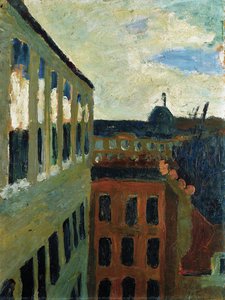 View from the studio window of the artist in Paris1900
 Still life with plant, lemon and orange1906
Cowshedに関するエッセイ
 The Weight of Silence: Reflection and Isolation in the Works of the Old MastersExplore the profound themes of solitude through the Old Masters and modernists. Discover the art of isolation now.
 German artworks of the 1900sGerman Expressionism through the works of Franz Marc, Ernst Ludwig Kirchner, and August Macke. Find museum-quality reproductions on Origina…
 Pastoral Rhythms: Capturing the Essence of Farm Animals in Impressionist ArtExplore the sensory depth of farm animals in Impressionist art through expert analysis. Discover the beauty of pastoral rhythms today.