

 設置イメージを確認
 送る
送る シェア
シェア
 詳細情報
詳細情報 ガイドを表示

 画像をダウンロード
 似ている作品
 X線調査
X線調査 スライドショー
 統計情報
統計情報The Diving Stage
 Oil On Canvas
- WallArt
- Modernism
 1928
1928 84.0 x 54.0 cm
 British Council Collection
 続きを読む
続きを読む
手描き油彩複製画
当社のアーティストが、お客様のご希望のサイズと額縁に合わせて、キャンバスに手描きで制作する油彩画です。 ( プリント版に切り替え デジタル画像販売へ切り替え)




P118B ¥10

P118H ¥10

P118W ¥10

P438Z ¥10

P508JH ¥12

P508YH ¥12

P805H ¥10

P805Z ¥10

P919BZ ¥10

P919G ¥10

P919XJ ¥10

P959ZH ¥10

P968JZ ¥12

W106C ¥8

W218G ¥10

W218JH ¥8

W218Y ¥10

W307PJ ¥10

W316G ¥10

W316PJ ¥8

W316Y ¥10

W398PJ ¥8

W4111J ¥10

W500HY ¥15

W500JH ¥15

W692G ¥12

W849H ¥8

W940BG ¥15

W953PJ ¥8




作品のオリジナル比率に合わせた、当店の規定サイズからお選びください。

特定のフレームやスペースに合わせて、ご希望のサイズをご入力いただけます。選択されたサイズが元の画像の比率と異なる場合、アートワークをトリミングするか、手描きで要素を追加して絵画を拡張いたします。デジタルモックアップ を制作し、制作開始前にご確認(承認)をいただきます。
画面上のプレビューは、実際のトリミングや拡張を正確に反映しているものではありません。最終的な構図は、モックアップによってのみ正確にご確認いただけます。
カスタムサイズもご利用いただけますが、元の比率を維持するためには、あらかじめ用意されたリストからサイズを選択することをお勧めいたします。
ご注文後、OriginalUniqueArt.com チームより詳細な指示をお送りするとともに、仕上がりイメージ(モックアップ)をご提供いたします。


 ガラスオプションは、110cm未満のサイズでのみご利用いただけます。

The Diving Stage
再現技法
複製画サイズ一覧
-


合計金額
¥ 47978
The Haunting Stillness of “The Diving Stage”
Paul Nash’s “The Diving Stage,” painted in 1928, isn't merely a depiction of a seaside structure; it’s a meticulously crafted tableau of isolation, anticipation, and the unsettling beauty of suspended time. Emerging from the British Council Collection, this work transcends its subject matter to become a profound meditation on human presence within a vast, indifferent landscape. The painting immediately commands attention with its monochromatic palette – a symphony of greys, whites, and muted blues that evokes both the cold expanse of the sea and the melancholic atmosphere of a forgotten place. This restrained color scheme isn’t limiting, however; it amplifies the subtle textures and layering techniques employed by Nash, creating an illusion of depth and surface detail that draws the viewer into the scene. The composition is dominated by the stark verticality of the diving platform, a geometric intrusion upon the blurred, amorphous background – a visual metaphor for humanity's attempt to impose order on the chaotic nature of existence.A Surrealist Echo in Modernism
Nash’s artistic lineage is complex and fascinating, drawing heavily from both the traditions of British landscape painting and the burgeoning currents of Surrealism. Influenced by the Romantic landscapes of J.M.W. Turner and the visionary poetry of William Blake, Nash sought to capture not just the outward appearance of a place but also its underlying emotional resonance. This is particularly evident in his early works depicting ancient hill forts and burial mounds – sites imbued with layers of history and myth. “The Diving Stage,” however, moves beyond simple representation, embracing a distinctly modernist sensibility. The flattened perspective, simplified forms, and deliberate ambiguity align it with the principles of Surrealism, while simultaneously retaining a grounding in the formal concerns of Modernist painting. Nash’s use of strong, angular lines to define the diving platform contrasts sharply with the softer, more diffused lines that suggest the distant landscape, creating a dynamic tension between structure and atmosphere. The absence of any human figures further reinforces this sense of detachment and isolation.Technique and Materiality: A Layered Masterpiece
The painting’s power lies not only in its conceptual depth but also in the skillful execution of its technique. Nash masterfully employed layering washes and dry brushstrokes to build up subtle tonal variations and textures, giving the surface a remarkable richness and complexity. The rough wood of the diving deck is suggested through carefully applied strokes, while the smooth surface of the water receives a delicate glazing that captures its reflective qualities. The choice of watercolor or gouache – materials known for their transparency and ability to create nuanced color effects – contributes significantly to the painting’s ethereal quality. Close examination reveals a meticulous attention to detail, from the subtle shifts in tone on the platform's surface to the atmospheric perspective used to render the distant landscape. This combination of technical skill and artistic sensitivity elevates “The Diving Stage” beyond a simple depiction of a seaside scene; it becomes a testament to Nash’s mastery of his chosen medium.Symbolism and Emotional Resonance
“The Diving Stage” is rich in symbolic meaning, inviting multiple interpretations. The diving platform itself can be seen as a metaphor for human ambition – our desire to conquer the unknown, to reach beyond the limitations of our earthly existence. Yet, the stage remains unfinished, abandoned, suggesting a sense of thwarted potential or perhaps even a recognition of the futility of such endeavors. The solitary figure on the edge of the platform embodies vulnerability and anticipation, poised on the brink of an uncertain future. The muted color palette and desolate landscape contribute to a pervasive feeling of isolation and melancholy, while the geometric precision of the structure hints at a longing for order in a world that often feels chaotic and unpredictable. Ultimately, “The Diving Stage” is not simply a painting; it’s a poignant exploration of the human condition – our aspirations, our anxieties, and our relationship to the vastness of the natural world. It leaves the viewer with a lingering sense of quiet contemplation, prompting reflection on themes of solitude, uncertainty, and the enduring power of art to capture the complexities of the human experience.アーティストについて
生い立ちと初期の受容
- 誕生: イギリス、ケンジントン(1889年)
- 逝去: 1946年
- ポール・ナッシュは1889年5月11日、ロンドンに生を受けました。法廷弁護士であった父ウィリアム・ハリー・ナッシュと、幼少期から精神的な病の兆候を見せていた母キャロライン・モードのもとで育ちます。母の健康を慮り、ポールが幼い頃に家族はバッキンガムシャーのアイヴァー・ヒースへと移り住みました。
- 教育: パーソンズ美術学校を経て、後にスレイド美術学校で研鑽を積みました。風景画においては卓越した技術を誇った一方で、人物画には苦心したといいます。
- 初期のインスピレーション: 彼の初期作品には、ウィリアム・ブレイクやJ.M.W.ターナーの影響が色濃く反映されています。また、古墳や鉄器時代の丘砦といった、太古の歴史を感じさせる風景からも深いインスピレーションを得ていました。
芸術的様式とその展開
- スタイル: ポール・ナッシュの画風は、モダニズムと伝統的な技法を融合させたものでした。大胆な色彩、幾何学的な形状、そして抽象的な形態を駆使するその手法は、同時代の画家たちの中でも際立った存在感を放っていました。
- シュルレアリスムへの傾倒: 厳密な意味でのシュルレアリストではありませんでしたが、1928年のジョルジョ・デ・キリコ展をきっかけに、この運動から強い影響を受けました。彼の作品には、日常的な物体と象徴的な風景が織り交ぜられています。
- 戦争画: 第一次および第二次世界大戦中、ナッシュは公式の戦争画家としての任務を担いました。戦場を描いた彼の作品は、その忘れがたい美しさと、紛争が風景に与えた衝撃の探求において特筆すべきものがあり、「メニン・ロード」はその代表作です。
主要な業績と評価
- ブリティッシュ・モダニズムの先駆者: ナッシュは、伝統的な風景画とモダニズムの美学を橋渡しすることで、イギリス近代美術の形成において極めて重要な役割を果たしました。
- 戦争画の遺産: 彼の戦時中の絵画は、紛争が兵士と環境の両方に及ぼした影響を象徴する、歴史的なアイコンとして今なお語り継がれています。
- ユニット・ワン(Unit One): 1933年、ベン・ニコルソンやバーバラ・ヘップワースと共に「ユニット・ワン」を共同設立しました。これはイギリスの芸術界において極めて重要なグループとなりました。
- 作家およびデザイナーとしての顔: 画家としての活動に留まらず、ナッシュは美術評論家としても尊敬を集め、舞台美術、テキスタイル、ポスターといった応用美術のデザインにおいてもその才能を発揮しました。
影響とレガシー
- 後世の芸術家への影響: ナッシュ独自の様式と色彩感覚は、彼に続く世代の芸術家たちに多大な影響を与えました。
- ロマンティシズムとの繋がり: 彼の作品は、ウィリアム・ブレイクやJ.M.W.ターナーとの繋がりを通じて、しばしばイギリス・ロマン主義の伝統と結びつけて語られます。
- 人間対自然の探求: 後期の作品における繰り返されるテーマは、象徴的なイメージを通じて表現された「人間と自然の関係性」でした。
- 永続する価値: その美しさ、象徴性、そして歴史的重要性が称賛され続け、彼の絵画は現代の観衆にとっても色褪せることのない輝きを放っています。
展覧会とコレクション
- ラスキン・ギャラリー: ナッシュの作品は、イギリスのラスキン・ギャラリーで展示されてきました。
- テート・ブリテン: 彼の傑作の数々は、テート・ブリテンのコレクションに収蔵されています。
- 帝国戦争博物館: 彼の戦争画のいくつかは、帝国戦争博物館に保管されています。
- ヨーク・アート・ギャラリー: ヨーク・アート・ギャラリーのコレクションにも、彼の作品が名を連ねています。
- 政府美術コレクション: ナッシュの芸術作品の選りすぐりが、政府美術コレクション(Government Art Collection)に展示されています。

ポール・ナッシュ
1889 - 1946 , イギリス
アーティスト情報
- Artistic Movement Or Style: シュルレアリスム、モダニズム
- Artists Or Movements Influenced By This Artist: ['モダニズムの芸術家']
- Artists Who Influenced This Artist:
- ウィリアム・ブレイク
- J.M.W. ターナー
- ヴォルフガング・レットル
- Date Of Birth: 1889年5月11日
- Date Of Death: 1946年7月11日
- Full Name: ポール・ナッシュ
- Nationality: イギリス
- Notable Artworks: ['メニン・ロード']
- Place Of Birth: イギリス、ケンジントン
関連記事

Watercolor Wonders: 10 Masterpieces That Redefined Art History | OriginalUniqueArt
Journey through 10 legendary watercolor masterpieces by Sargent, Turner & Homer! Explore iconic landscapes, portraits & floral art that redefined history. Find museum-quality reproductions and curated decor ideas at OriginalUniqueArt.com.
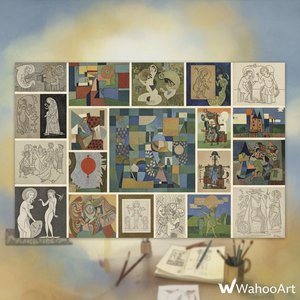
パウル・クレー傑作25選:色彩と象徴に満ちた芸術の世界 | OriginalUniqueArt
パウル・クレーの傑作25選🎨 色彩と象徴に満ちた抽象絵画の世界を旅。ドイツ表現主義からバウハウスまで、クレーの革新的な技法と感動的な作品群をOriginalUniqueArtで。高品質な美術品複製やインテリアアートも豊富です。オンラインストアで全コレクションをご覧ください。

Ephemeral Visions: Exploring the Artistic Legacy & Nuances of Watercolor Painting
Explore the captivating world of watercolor painting! Discover its rich history, essential techniques, influential artists & collecting tips from art experts. A comprehensive guide for enthusiasts.

ポール・セザンヌ:至高の25選 - 傑作と革新の軌跡 | OriginalUniqueArt
ポール・セザンヌの至高の25選。ポスト印象派を代表する画家、セザンヌの傑作と革新的な技法を紐解きます。OriginalUniqueArtで高品質な複製画やインテリアアートを見つけ、芸術の世界をご自宅に。今すぐコレクションをご覧ください。

Ephemeral Visions: Exploring the Artistic Legacy & Contemporary Practice of Watercolor Painting
Explore the captivating world of watercolor painting! Discover its rich history, essential techniques, influential artists & collecting tips. A comprehensive guide for art enthusiasts from OriginalUniqueArt.