

 プレビュー
プレビュー
 シェアする
シェアする シェアする
シェアする
 詳細を見る
詳細を見る

 ダウンロード
 似ている作品
 X線調査
X線調査 スライドショー
 統計情報
統計情報Pegasus
 1937
1937 22.0 x 20.0 cm
 詳細を見る
詳細を見る
ジークレー/アートプリント
迅速な制作と多彩な仕上げオプションを備えた、ミュージアムクオリティのジークレーまたはキャンバスプリント。 ( 手描きの絵画を購入 デジタル画像販売へ切り替え)




































作品のオリジナル比率に合わせた、当店の規定サイズからお選びください。

特定のフレームやスペースに合わせて、ご自身でサイズを指定することも可能です。選択されたサイズが元の画像の比率と一致しない場合、作品をトリミングするか、鏡面反射または単色での塗りつぶしによって画像を拡張いたします。制作を開始する前に、ご確認用のデジタルモックアップをお送りいたします。
画面上のプレビューには、実際のトリミングや拡張は反映されませんのでご注意ください。最終的な構図を正確に確認できるのは、モックアップのみとなります。
カスタムサイズも承っておりますが、元の比率を維持するためには、あらかじめ用意されたリストからサイズを選択することをお勧めいたします。


 ガラスオプションは、110cm未満のサイズでのみご利用いただけます。

Pegasus
ジークレー/アートプリント
複製画のサイズ
-


合計金額
$ 80
アーティストの略歴
幼少期と芸術への目覚め
ポール・ハワード・マンシップ(1885年12月25日 – 1966年1月31日)は、ミネソタ州セントポールにて、チャールズ・H・マンシップとメアリー・エッタ(フレンズ)・マンシップの息子として生を受けました。セントポールガス会社の事務員であった父は、彼の中に職人技への敬意と精密さへのこだわりを植え付けました。この性質こそが、後にマンシップの芸術的ビジョンを形作る決定的な要素となります。ネルソン・アベニュー304番地の家族の家で育った彼は、幼い頃から芸術に対して鋭い関心を抱き、セントポール美術学校に入学して基礎的な技術を磨きました。この時期に触れた芸術的原理は、彫刻への生涯にわたる献身と、形態が持つ表現の可能性を探求する姿勢の前兆となりました。彼の形成期は、彫刻技法の習得に対する揺るぎない情熱によって彩られており、その探究心こそが、最終的に彼の芸術家としての軌道を決定づけることとなったのです。正統な教育と受けた影響
マンシップの正統な教育は、彼の芸術的感性をより強固なものとし、フィラデルフィアへと彼を突き動かしました。そこで彼はペンシルベニア・アカデミー・オブ・ファイン・アーツにて研鑽を積みました。この地で、彼は古典的な美術史と解剖学に没頭しましたが、これらの主題は後の彼の彫刻活動の核となるものです。特筆すべきは、人体構造への計り知れない洞察を与えてくれたジョージ・ブリッジマンの下で学び、ハーモン・アトキンス・マクニールの指導のもとでモデリングを学んだことです。これにより、彼は彫刻における造形技法への深い理解を育みました。さらに、自身の芸術的視野を広げる重要性を悟ったマンシップは、1909年にローマへと渡り、名誉ある「ローマ賞」を獲得しました。この転機となった出来事は、彼をヨーロッパ芸術の壮大さへと導き、古拙彫刻(アルカイック・スカルプチャー)への魅惑を決定づけました。特に彼はインドの古典彫刻に心を奪われ、その精神は、時代を超越した美しさを湛えた彼の作品群へと注ぎ込まれることになります。共鳴する才能と独自の様式
マンシップの芸術的旅路は、他の彫刻家たちとの交流を通じてさらなる勢いを得ていきました。とりわけ、リンカーン記念碑の制作において助手として関わったソロン・ボーグルムとの出会いは、彼の技術を研ぎ澄ませ、革新的な彫刻アプローチに触れる貴重な機会となりました。また、ガストン・ラシャイズやレオ・フリードランダーといった才能とも手を取り合い、実験精神と様式の進化を育むダイナミックな創造的環境を築き上げました。マンシップの芸術様式は、古典的な影響とモダニズムの感性が驚くほど見事に融合していることが特徴です。その調和のとれた融合は、流れるようなラインと簡略化された形態として、彼の彫刻に鮮やかに反映されています。彼はボザール様式の硬直した形式主義を退け、控えめな優雅さを湛えた線的な構成を支持し、明晰さと表現力のある強さを追求したのです。主要な依頼と記念碑的作品
マンシップは、壮大な公共彫刻の依頼を通じて国際的な称賛を浴びることとなりました。その最も象徴的な作品が、ニューヨーク・ロックフェラー・センターにそびえ立つ「プロメテウス像」です。これはアール・デコ様式が持つ野心と壮麗さを物語る、圧倒的な記念碑といえます。彼の彫刻的才能は建築プロジェクトの枠を超え、二度の世界大戦の戦没者を追悼する記念碑にも及びました。フランスのティオークールにあるセント・ミヒエル米軍墓地や、イタリアのアンツィオの軍人墓地における作品は、それぞれ深い象徴的な響きを湛えています。さらに、彼はニューヨーク市の公式印章の現代的なデザインも手掛け、芸術家としての多才さと、複雑な概念を説得力のある視覚的表現へと昇華させる能力を証明しました。遺産と歴史的意義
ポール・マンシップは、アメリカ彫刻界における巨星として君臨しています。アール・デコの先駆者であり、その永続的な影響力は、今日においてもアーティストたちにインスピレーションを与え続けています。彼の彫刻は、古典芸術の精神とモダニズムの革新性を体現しており、芸術的伝統への深い敬意を払いつつも、様式的な実験を受け入れる姿勢を反映しています。戦時中の犠牲を称える記念碑的作品によってアメリカ戦没者慰霊委員会からも高く評価されたマンシップの遺産は、単なる美的な達成を超越しています。彼は、職人技への揺るぎない献身と、芸術が持つ変革の力を信じ抜いた人物であり、その歩みは視覚芸術への不朽の貢献として刻まれています。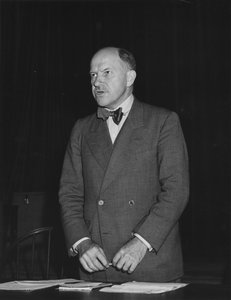
ポール・マンシップ
1885 - 1966 , アメリカ合衆国
基本情報
- Artistic Movement Or Style: アール・デコ彫刻
- Artists Who Influenced This Artist:
- ジョージ・ブリッジマン
- ハーモン・アトキンス・マクニール
- Date Of Birth: 1885年12月25日
- Date Of Death: 1966年1月31日
- Full Name: ポール・ハワード・マンシップ
- Nationality: アメリカ
- Notable Artworks:
- 走るアタランタ
- クルトゥール・メダル
- オーガスト・ジャカッチ
- Place Of Birth: ミネソタ州セントポール