

 設置イメージを確認
 送る
送る シェア
シェア
 詳細情報
詳細情報 ガイドを表示

 画像をダウンロード
 似ている作品
 X線調査
X線調査 スライドショー
 統計情報
統計情報The Literary Piano
 Acrylic On Canvas
- WallArt
- Surrealist Expressionism
 26.0 x 20.0 cm
 フランツ・マルク美術館
 続きを読む
続きを読む
ジークレー/アートプリント
スピーディーな制作と多彩な仕上げオプションが魅力の、ミュージアムクオリティなジークレー・キャンバスプリント。 ( 手描きの複製画を注文する デジタル画像販売へ切り替え)




































作品のオリジナル比率に合わせた、当店の規定サイズからお選びください。

特定のフレームやスペースに合わせて、ご自身でサイズを指定することも可能です。選択されたサイズが元の画像の比率と一致しない場合、作品をトリミングするか、鏡面反射または単色での塗りつぶしによって画像を拡張いたします。制作を開始する前に、ご確認用のデジタルモックアップをお送りいたします。
画面上のプレビューには、実際のトリミングや拡張は反映されませんのでご注意ください。最終的な構図を正確に確認できるのは、モックアップのみとなります。
カスタムサイズも承っておりますが、元の比率を維持するためには、あらかじめ用意されたリストからサイズを選択することをお勧めいたします。


 ガラスオプションは、110cm未満のサイズでのみご利用いただけます。

The Literary Piano
ジークレー/アートプリント
複製画サイズ一覧
-


合計金額
$ 80
A Fragmented Melody: Exploring Paul Klee’s “The Literary Piano”
Paul Klee's "The Literary Piano," painted circa 1937, isn’t merely an image of an instrument; it’s a distillation of artistic philosophy into visual form—a testament to Klee’s unwavering belief in abstraction as a conduit for emotion and imagination. This watercolor masterpiece resides within Zentrum Paul Klee's impressive collection in Bern, Switzerland, offering visitors a profound encounter with one of the most influential figures of 20th-century art. Its unassuming size – measuring just 26 x 20 cm – belies the complexity of its conceptual underpinning and masterful execution.Composition & Style: Embracing Discordant Harmony
The artwork immediately captivates with its deliberately unbalanced composition. Rather than striving for realistic perspective, Klee employs a fragmented geometric approach—overlapping rectangles, triangles, and circles—creating an illusionistic space that feels simultaneously familiar and unsettling. This technique aligns perfectly with Klee’s broader stylistic vision, rooted in Expressionism yet tempered by Cubist influences and infused with the whimsical spirit of folk art traditions. The artist eschews conventional representation, prioritizing instead a visual language characterized by spontaneity and intuitive exploration. As Klee himself famously stated, “Painting is like music—it has to be spontaneous.” This ethos permeates every brushstroke, resulting in an image that vibrates with energy and invites contemplation.Technique & Material: Watercolor’s Delicate Dance
Klee's masterful use of watercolor speaks volumes about his artistic sensibilities. The medium lends itself beautifully to layering washes of color—pinks bleed into greens, blues mingle with yellows—producing a luminous surface punctuated by subtle textural variations. Evidence of blending and granulation reveals meticulous attention to detail without sacrificing the overall impression of ethereal beauty. The paper grain subtly anchors the composition, grounding it in materiality while allowing for an expansive chromatic palette. Watercolor’s inherent transparency allows Klee to convey mood and atmosphere with remarkable precision—the dominant dark circular shape radiating warmth and inviting introspection.Symbolism & Emotional Resonance: Beyond Representation
“The Literary Piano” transcends mere depiction; it operates on a symbolic level, prompting viewers to consider themes of creativity, communication, and perhaps even the fractured nature of consciousness. The piano itself serves as an emblem of musical expression—a tool for conveying emotion and storytelling—while its architectural setting evokes images of enclosed spaces and intellectual pursuits. Klee’s deliberate disregard for realism underscores his conviction that art should prioritize feeling over factual accuracy. The artwork's melancholic undertones resonate with a broader artistic tradition concerned with exploring the complexities of human experience, inviting us to ponder the relationship between form and content.Historical Context: Bauhaus Influence & Artistic Innovation
Klee’s work emerged during the Bauhaus period—a pivotal moment in European art history—where experimentation and collaboration challenged established conventions. Influenced by Piet Mondrian and Kazimir Malevich, Klee embraced geometric abstraction as a means of achieving visual harmony and conveying spiritual ideas. “The Literary Piano” embodies this spirit of innovation, demonstrating Klee’s unwavering commitment to pushing the boundaries of artistic expression. Its enduring appeal lies in its ability to capture the essence of human creativity—a fragmented melody rendered in luminous watercolor—making it an exceptional choice for collectors and interior designers alike.アーティストについて
パウル・クレー:色彩と形が生み出す夢幻の世界
パウル・クレー。その名は、遊び心溢れる抽象表現と深遠な感情の交錯を象徴する存在として、20世紀美術史に燦然と輝いています。1879年12月18日、スイスのミュンヘンブッシュゼーで生まれ、彼の芸術的遍歴は、常に探求を続け、表現主義、立方主義、シュルレアリスムといった様々な潮流の影響を受けつつも、独自の視覚言語を構築していくものでした。音楽教師である父と歌手の母のもとに育まれた幼少期からの芸術への親しみは、彼の作品に色彩と音の調和をもたらす基盤となり、絵画を単なる再現ではなく、感情や思想を抽象的に表現する手段として捉えることへと繋がっていきます。ミュンヒェンの美術アカデミーでの学びを通して、彼は写実的な表現の限界を見抜き、内面世界への扉を開くべく、独自の芸術的探求を開始したのです。初期の試行錯誤と北アフリカ体験
クレーの初期作品には、アール・ヌーヴォーや象徴主義の影響が見られますが、その中でも既に彼の未来的なスタイルを予感させる要素が垣間見えます。1914年のチュニジアへの旅は、彼の芸術的発展における転換点となりました。北アフリカの強烈な光と鮮やかな色彩は、彼に抑制された色調から大胆で表現豊かなパレットへと移行する勇気を与えました。この経験を通して、彼は単なる表面的な模倣ではなく、知覚の本質を捉えるための抽象化へのコミットメントを深めていったのです。クレーにとって、チュニジアとは、単に風景を描写する対象ではなく、感情の共鳴を視覚的形態へと翻訳する媒体だったと言えるでしょう。彼は様々な芸術運動と関わりながらも、決して特定のイデオロギーに囚われることなく、独自の道を歩み続けました。音楽との深い結びつきは、彼の作品における構成のアプローチだけでなく、芸術を音響的な配置と同様の抽象表現の一形態として捉える理論的理解にも影響を与えました。バウハウス時代:創造性の花開く園
1921年から1933年にかけて、クレーはヴァルター・グロピウスによって招聘され、ドイツのバウハウスで教鞭を執るという輝かしい時期を迎えます。この期間は、彼の芸術的発展において極めて重要なものでした。革新的な思想家や芸術家たちに囲まれた環境の中で、彼は色彩理論と形式の関係性をさらに深く探求し、抽象的な形態と感情表現の相互作用を探求しました。しかし、1933年、ナチス政権が台頭すると、彼の作品は「退廃的」であるとして非難され、バウハウスからの解雇という憂き目に遭います。故郷のスイスへと帰還したクレーは、ますます深刻化する政治情勢と自身の健康悪化の中で、不安を抱えながらも創作活動を続けました。作品に込められた象徴性と普遍性
パウル・クレーの作品は、遊び心と深遠な思索が織り交ざった魅惑的な世界です。彼はしばしば子供のようなイメージや気まぐれな構成を用いながらも、それらに多層的な象徴的意味を込めました。彼の作品に登場する庭園、風景、肖像画、抽象的な形態の配置は、人間の経験の複雑さを探求するための手段として機能しています。「パウル・クレーノート」には、色彩とデザインに関する広範な理論的考察が記されており、芸術創造に対する綿密かつ知的なアプローチを垣間見ることができます。ハママット、兄弟たち、六つの閾は、彼の色彩感覚と形態構成の卓越性を象徴する作品です。クレーの影響は絵画の世界にとどまらず、デザインや建築、音楽といった分野にも及んでいます。彼の作品が持つ普遍的な魅力は、見る者を驚きと感動で包み込み、芸術に対する感情的・知的関与を促す力にあります。美術館とさらなる探求
- ツェントルム・パウル・クレー(ベルン): クレーの作品を世界最大規模で所蔵し、彼の芸術的遍歴を包括的に紹介しています。
- ベルン州立美術館: ピカソなどの名画とともに、クレーの重要な作品も展示されています。
- ベルン美術館: スイス最古の美術館であり、クレーを含む多くの近代美術の巨匠の作品を所蔵しています。

パウル・クレー
1879 - 1940 , スイス
アーティスト情報
- フルネーム: パウル・クレー
- 主な作品:
- ハマメット
- 兄弟
- エン・ラ・コレンテ・セイス・ウンブラレス
- 出生地: ミュンヘンブッシュゼー, スイス
- 国籍: スイス・ドイツ系
- 影響を与えた芸術家/運動: ['現代美術']
- 影響を受けたアーティスト: ['ワシリー・カンディンスキー']
- 死亡年月日: 1940年6月29日
- 生年月日: 1879年12月18日
- 芸術運動/スタイル: 表現主義、構成主義、シュルレアリスム
関連記事

Watercolor Wonders: 10 Masterpieces That Redefined Art History | OriginalUniqueArt
Journey through 10 legendary watercolor masterpieces by Sargent, Turner & Homer! Explore iconic landscapes, portraits & floral art that redefined history. Find museum-quality reproductions and curated decor ideas at OriginalUniqueArt.com.

ポール・セザンヌ:至高の25選 - 傑作と革新の軌跡 | OriginalUniqueArt
ポール・セザンヌの至高の25選。ポスト印象派を代表する画家、セザンヌの傑作と革新的な技法を紐解きます。OriginalUniqueArtで高品質な複製画やインテリアアートを見つけ、芸術の世界をご自宅に。今すぐコレクションをご覧ください。

Paul Klee: A Poetics of Form and Color – Exploring the Inner Landscape of a Modern Master
Explore the captivating world of Paul Klee! Discover his innovative art, Bauhaus influence, & unique symbolic language. Expert analysis & high-quality reproductions at OriginalUniqueArt.

幾何学的抽象絵画を定義した傑作10選|アート、アーティスト、インテリア装飾
モンドリアン、マレーヴィチ…幾何学的抽象絵画を代表する傑作10選。各作品の背景や色彩構成、アーティストの情熱に迫ります。美術館品質の複製画はOriginalUniqueArt.comで。オンラインでアートコレクションをご覧ください。
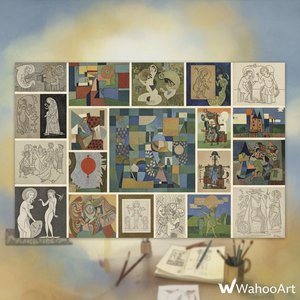
パウル・クレー傑作25選:色彩と象徴に満ちた芸術の世界 | OriginalUniqueArt
パウル・クレーの傑作25選🎨 色彩と象徴に満ちた抽象絵画の世界を旅。ドイツ表現主義からバウハウスまで、クレーの革新的な技法と感動的な作品群をOriginalUniqueArtで。高品質な美術品複製やインテリアアートも豊富です。オンラインストアで全コレクションをご覧ください。


