プリント版に切り替え
 詳細を表示
詳細を表示







































 いずれかの辺が105 cm(約41インチ)を超えるアートワークまたは複製画の場合、フレームは分解されたキットの状態でお届けいたします。この方法は、輸送中の破損を防ぎ、安全に配送するために採用しております。


A Symphony of Color and Texture: Exploring Paul Klee’s Still Life
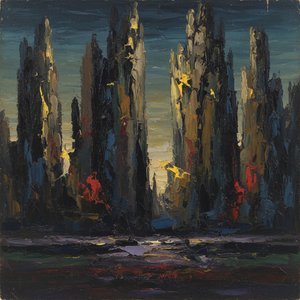
Paul Klee's "Still Life," painted in 1927, isn’t merely a depiction of objects; it’s an embodiment of artistic philosophy distilled into visual form. Created during his prolific period of experimentation—a time when he wrestled with the boundaries between abstraction and representation—the painting exemplifies Klee’s signature style: deceptively simple yet brimming with layered meaning and meticulous craftsmanship. It's a piece that invites contemplation, prompting viewers to consider not just what is seen but how it feels.- Subject Matter & Composition: The arrangement of objects—a goblet, cone, lemon half, pitcher, onion slice, sheet of paper, Easter egg, and dice—is deliberately asymmetrical. Klee consciously avoids a formal balance, mirroring the spontaneity he sought in his artistic process. This stage-like positioning suggests an illusionistic space, reminiscent of theatrical productions where elements are carefully positioned to create visual drama.
- Style & Technique: Klee’s approach is profoundly influenced by Cubism and Expressionism, yet firmly rooted in his own distinctive vision. He employs a reductive palette dominated by primary colors—red, yellow, and blue—and their complementary hues, mirroring the principles of musical harmony. The artist skillfully utilizes hatching and cross-hatching to build up texture, creating an impressionistic surface that resembles stone carving – a technique he famously practiced.
Historical Context & Artistic Influences
Painted in the aftermath of World War I, “Still Life” reflects the broader artistic anxieties and aspirations of its time. Klee’s exploration of abstraction responded to the disillusionment felt by many artists following the horrors of the conflict. However, unlike some contemporaries who embraced overtly political statements, Klee focused on conveying emotional resonance through visual language—a humanist impulse that permeated his entire oeuvre. He drew inspiration from Surrealism's dreamlike imagery and explored connections between art and music, believing they could communicate profound truths beyond rational comprehension.Symbolic Resonance & Artistic Intent
Beyond its formal qualities, “Still Life” is laden with symbolic significance. The repetition of shapes—circles, squares, triangles—echoes geometric forms found in Islamic art and reinforces Klee’s belief in the universality of visual expression. The dark red crusty surface of the stone-like backdrop symbolizes resilience and permanence, mirroring Klee's own unwavering dedication to his craft. Even the lace curtains appear to be incised with a sharp instrument, hinting at an underlying tension between order and chaos—a dichotomy that characterizes much of Klee’s artistic vision.Emotional Impact & Artistic Legacy
Ultimately, “Still Life” succeeds in capturing a mood of quiet contemplation. The muted colors and textured surface invite viewers to immerse themselves in the painting's atmosphere, fostering a sense of serenity and wonder. Klee’s masterful manipulation of color and form transcends mere representation; it communicates an emotional state—a yearning for beauty and harmony—that continues to resonate with audiences today. It stands as a testament to Klee’s enduring belief that art possesses the power to illuminate the human condition.Q&A
「Still Life」に似た作品はありますか?
パウル・クレー作「Still Life」の関連作品ページでは、関連する作品をご紹介しています。
パウル・クレー作「Still Life」の制作時期はいつですか?
パウル・クレー作「Still Life」の制作年は1927年です。
パウル・クレー作「Still Life」 の基調となる色は何ですか?
「Still Life」の中で最も際立っている色はBlack (#150e0a)です。作品の主色(メインカラー)を知ることは、インテリアとのコーディネートを考える際に役立ちます。
この絵画の詳細を見る
 設置イメージを表示
 シェアする
シェアする シェアする
シェアする
 詳細を見る
詳細を見る ガイドを表示

 ダウンロード
 似ている作品
 X線調査
X線調査 スライドショーを表示
 Q&A
Q&A 統計情報
統計情報