

 設置イメージを確認
 送る
送る シェア
シェア
 詳細情報
詳細情報 ガイドを表示

 画像をダウンロード
 似ている作品
 X線調査
X線調査 スライドショー
 統計情報
統計情報On the River


 続きを読む
続きを読む
ジークレー/アートプリント
スピーディーな制作と多彩な仕上げオプションが魅力の、ミュージアムクオリティなジークレー・キャンバスプリント。 ( 手描きの複製画を注文する デジタル画像販売へ切り替え)




P118B ¥10

P118H ¥10

P118W ¥10

P438Z ¥10

P508JH ¥12

P508YH ¥12

P805H ¥10

P805Z ¥10

P919BZ ¥10

P919G ¥10

P919XJ ¥10

P959ZH ¥10

P968JZ ¥12

W106C ¥8

W218G ¥10

W218JH ¥8

W218Y ¥10

W307PJ ¥10

W316G ¥10

W316PJ ¥8

W316Y ¥10

W398PJ ¥8

W4111J ¥10

W500HY ¥15

W500JH ¥15

W692G ¥12

W849H ¥8

W940BG ¥15

W953PJ ¥8




作品のオリジナル比率に合わせた、当店の規定サイズからお選びください。

額縁や壁のスペースに合わせて、ご希望の幅と高さを入力してください。プリントはカットすることは可能ですが、元の画像より大きくすることはできないため、異なる比率のサイズを選択された場合は、画像の一部が欠けることになります。印刷を開始する前に、内容を確認していただくためのデジタルモックアップをお送りいたします。このページに表示されている画像は、実際のカット後の状態を示すものではありません。実際の仕上がりはモックアップにてご確認ください。


 ガラスオプションは、110cm未満のサイズでのみご利用いただけます。

On the River
ジークレー/アートプリント
複製画サイズ一覧
-


合計金額
¥ 12603
A Childlike Vision of Flow and Form
Paul Klee’s “On the River” isn't merely a depiction of a tranquil waterway; it’s an embodiment of his artistic philosophy—a celebration of simplicity, underpinned by profound observation. Executed in 1939 during a period marked by both artistic experimentation and personal reflection, this watercolor on handkerchief fabric exemplifies Klee’s distinctive approach to abstraction, prioritizing feeling over precise representation.
- Subject Matter: The painting captures a serene river scene, populated with stylized figures in a boat. However, it transcends literal observation, focusing instead on capturing the essence of nature itself—a concept central to Klee’s worldview.
- Style: Klee's style is undeniably childlike, mirroring the imaginative spirit of early childhood and rejecting the conventions of academic art. The deliberate lack of perspective contributes to a dreamlike atmosphere, inviting contemplation rather than judgment.
- Technique: Watercolor strokes are applied with a rough texture, suggesting spontaneity and immediacy—a characteristic that distinguishes Klee’s work from more polished styles. Subsequent crayon outlines define key elements, providing structural clarity against the backdrop of flowing watercolor washes.
Color Palette & Compositional Harmony
The artwork's color palette is remarkably restrained, dominated by muted yellows, golds, oranges, blues, and greens. These hues aren’t intended to dazzle but rather to evoke a sense of calm and understated beauty—a deliberate choice reflecting Klee’s assertion that “Color and I are one.” The central interlocking curved lines – fingerlike shapes – dominate the composition, mirroring the river's flow and embodying Klee’s belief in universal forms capable of conveying complex emotions.
- Dominant Colors: Soft yellows and golds create a luminous warmth, balanced by cooler blues and greens that evoke the tranquility of the riverside.
- Compositional Balance: The boat positioned on the right side mirrors the curving lines, reinforcing the overarching theme of interconnectedness and harmony—a visual manifestation of Klee’s artistic principles.
Symbolism & Artistic Intent
"On the River" speaks volumes about Klee's artistic vision. He famously declared that art is “a language of signs,” prioritizing expressive content over representational accuracy. The drawing of the boat, he argued, embodies the truthfulness and creativity inherent in children—artists who possess an intuitive understanding of form and color without adhering to rigid rules.
- Symbolic Representation: The curving lines symbolize fluidity and movement, mirroring the river’s flow and representing a broader exploration of natural forms.
- Philosophical Significance: Klee's belief in art as “a language of signs” underscores his conviction that visual art can communicate ideas and emotions beyond literal depiction—a testament to his pioneering role in abstract expressionism.
A Reflection on Artistic Expression
Ultimately, "On the River" embodies Klee’s desire for art to inspire joy and wonder. Its simplicity belies its depth, demonstrating how a carefully considered arrangement of lines, shapes, and color can convey profound emotional resonance. As Klee wrote at the time, “The picture has no particular purpose––It only has the purpose of making us happy.” This sentiment encapsulates his unwavering commitment to creating art that transcends utilitarian concerns and nourishes the soul.
よくあるご質問
パウル・クレーには、他にどのような別名や通称がありますか?
「On the River」の作者であるパウル・クレーには、他にパウル・クレー(フルネーム:Paul Klee)といった名称でも記録されています。
パウル・クレー作「On the River」 の主要な色調は何ですか?
「On the River」はOchre to Sepiaの色調が際立っています。
パウル・クレー作「On the River」の色使いは、作品の感情とどのように結びついているのでしょうか?
パウル・クレー作「On the River」のEarthyなパレットは、そのCalmな情緒的トーンと見事に調和しています。色彩は、作品が感情を伝えるための重要な要素の一つです。
アーティストについて
パウル・クレー:色彩と形が生み出す夢幻の世界
パウル・クレー。その名は、遊び心溢れる抽象表現と深遠な感情の交錯を象徴する存在として、20世紀美術史に燦然と輝いています。1879年12月18日、スイスのミュンヘンブッシュゼーで生まれ、彼の芸術的遍歴は、常に探求を続け、表現主義、立方主義、シュルレアリスムといった様々な潮流の影響を受けつつも、独自の視覚言語を構築していくものでした。音楽教師である父と歌手の母のもとに育まれた幼少期からの芸術への親しみは、彼の作品に色彩と音の調和をもたらす基盤となり、絵画を単なる再現ではなく、感情や思想を抽象的に表現する手段として捉えることへと繋がっていきます。ミュンヒェンの美術アカデミーでの学びを通して、彼は写実的な表現の限界を見抜き、内面世界への扉を開くべく、独自の芸術的探求を開始したのです。初期の試行錯誤と北アフリカ体験
クレーの初期作品には、アール・ヌーヴォーや象徴主義の影響が見られますが、その中でも既に彼の未来的なスタイルを予感させる要素が垣間見えます。1914年のチュニジアへの旅は、彼の芸術的発展における転換点となりました。北アフリカの強烈な光と鮮やかな色彩は、彼に抑制された色調から大胆で表現豊かなパレットへと移行する勇気を与えました。この経験を通して、彼は単なる表面的な模倣ではなく、知覚の本質を捉えるための抽象化へのコミットメントを深めていったのです。クレーにとって、チュニジアとは、単に風景を描写する対象ではなく、感情の共鳴を視覚的形態へと翻訳する媒体だったと言えるでしょう。彼は様々な芸術運動と関わりながらも、決して特定のイデオロギーに囚われることなく、独自の道を歩み続けました。音楽との深い結びつきは、彼の作品における構成のアプローチだけでなく、芸術を音響的な配置と同様の抽象表現の一形態として捉える理論的理解にも影響を与えました。バウハウス時代:創造性の花開く園
1921年から1933年にかけて、クレーはヴァルター・グロピウスによって招聘され、ドイツのバウハウスで教鞭を執るという輝かしい時期を迎えます。この期間は、彼の芸術的発展において極めて重要なものでした。革新的な思想家や芸術家たちに囲まれた環境の中で、彼は色彩理論と形式の関係性をさらに深く探求し、抽象的な形態と感情表現の相互作用を探求しました。しかし、1933年、ナチス政権が台頭すると、彼の作品は「退廃的」であるとして非難され、バウハウスからの解雇という憂き目に遭います。故郷のスイスへと帰還したクレーは、ますます深刻化する政治情勢と自身の健康悪化の中で、不安を抱えながらも創作活動を続けました。作品に込められた象徴性と普遍性
パウル・クレーの作品は、遊び心と深遠な思索が織り交ざった魅惑的な世界です。彼はしばしば子供のようなイメージや気まぐれな構成を用いながらも、それらに多層的な象徴的意味を込めました。彼の作品に登場する庭園、風景、肖像画、抽象的な形態の配置は、人間の経験の複雑さを探求するための手段として機能しています。「パウル・クレーノート」には、色彩とデザインに関する広範な理論的考察が記されており、芸術創造に対する綿密かつ知的なアプローチを垣間見ることができます。ハママット、兄弟たち、六つの閾は、彼の色彩感覚と形態構成の卓越性を象徴する作品です。クレーの影響は絵画の世界にとどまらず、デザインや建築、音楽といった分野にも及んでいます。彼の作品が持つ普遍的な魅力は、見る者を驚きと感動で包み込み、芸術に対する感情的・知的関与を促す力にあります。美術館とさらなる探求
- ツェントルム・パウル・クレー(ベルン): クレーの作品を世界最大規模で所蔵し、彼の芸術的遍歴を包括的に紹介しています。
- ベルン州立美術館: ピカソなどの名画とともに、クレーの重要な作品も展示されています。
- ベルン美術館: スイス最古の美術館であり、クレーを含む多くの近代美術の巨匠の作品を所蔵しています。

パウル・クレー
1879 - 1940 , スイス
アーティスト情報
- フルネーム: パウル・クレー
- 主な作品:
- ハマメット
- 兄弟
- エン・ラ・コレンテ・セイス・ウンブラレス
- 出生地: ミュンヘンブッシュゼー, スイス
- 国籍: スイス・ドイツ系
- 影響を与えた芸術家/運動: ['現代美術']
- 影響を受けたアーティスト: ['ワシリー・カンディンスキー']
- 死亡年月日: 1940年6月29日
- 生年月日: 1879年12月18日
- 芸術運動/スタイル: 表現主義、構成主義、シュルレアリスム
関連記事

Ephemeral Visions: Exploring the Artistic Legacy & Contemporary Practice of Watercolor Painting
Explore the captivating world of watercolor painting! Discover its rich history, essential techniques, influential artists & collecting tips. A comprehensive guide for art enthusiasts from OriginalUniqueArt.

Ephemeral Visions: Exploring the History & Emotional Resonance of Watercolor Painting
Explore the captivating history of watercolor painting, from ancient techniques to modern masters like Kandinsky & Blake. Discover essential artists, collecting tips & the emotional power of this luminous medium. Expert insights for art enthusiasts.
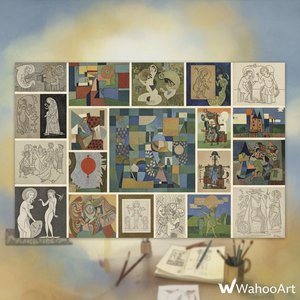
パウル・クレー傑作25選:色彩と象徴に満ちた芸術の世界 | OriginalUniqueArt
パウル・クレーの傑作25選🎨 色彩と象徴に満ちた抽象絵画の世界を旅。ドイツ表現主義からバウハウスまで、クレーの革新的な技法と感動的な作品群をOriginalUniqueArtで。高品質な美術品複製やインテリアアートも豊富です。オンラインストアで全コレクションをご覧ください。

Watercolor Wonders: 10 Masterpieces That Redefined Art History | OriginalUniqueArt
Journey through 10 legendary watercolor masterpieces by Sargent, Turner & Homer! Explore iconic landscapes, portraits & floral art that redefined history. Find museum-quality reproductions and curated decor ideas at OriginalUniqueArt.com.

Paul Klee: A Poetics of Form and Color – Exploring the Inner Landscape of a Modern Master
Explore the captivating world of Paul Klee! Discover his innovative art, Bauhaus influence, & unique symbolic language. Expert analysis & high-quality reproductions at OriginalUniqueArt.


