

 設置イメージを確認
 送る
送る シェア
シェア
 詳細情報
詳細情報 ガイドを表示

 画像をダウンロード
 似ている作品
 X線調査
X線調査 スライドショー
 統計情報
統計情報Woman


 続きを読む
続きを読む
ジークレー/アートプリント
スピーディーな制作と多彩な仕上げオプションが魅力の、ミュージアムクオリティなジークレー・キャンバスプリント。 ( 手描きの複製画を注文する デジタル画像販売へ切り替え)




P118B $10

P118H $10

P118W $10

P438Z $10

P508JH $12

P508YH $12

P805H $10

P805Z $10

P919BZ $10

P919G $10

P919XJ $10

P959ZH $10

P968JZ $12

W106C $8

W218G $10

W218JH $8

W218Y $10

W307PJ $10

W316G $10

W316PJ $8

W316Y $10

W398PJ $8

W4111J $10

W500HY $15

W500JH $15

W692G $12

W849H $8

W940BG $15

W953PJ $8




作品のオリジナル比率に合わせた、当店の規定サイズからお選びください。

特定のフレームやスペースに合わせて、ご自身でサイズを指定することも可能です。選択されたサイズが元の画像の比率と一致しない場合、作品をトリミングするか、鏡面反射または単色での塗りつぶしによって画像を拡張いたします。制作を開始する前に、ご確認用のデジタルモックアップをお送りいたします。
画面上のプレビューには、実際のトリミングや拡張は反映されませんのでご注意ください。最終的な構図を正確に確認できるのは、モックアップのみとなります。
カスタムサイズも承っておりますが、元の比率を維持するためには、あらかじめ用意されたリストからサイズを選択することをお勧めいたします。


 ガラスオプションは、110cm未満のサイズでのみご利用いただけます。

Woman
ジークレー/アートプリント
複製画サイズ一覧
-


合計金額
$ 80
A Dance of Color and Emotion: Unveiling Jackson Pollock’s ‘Woman’
Jackson Pollock's “Woman,” completed in 1945 and currently residing within the hallowed halls of the Museum of Modern Art in New York City, isn’t merely a painting; it’s an immersive experience. This monumental work, measuring a substantial 60 x 38 inches, plunges the viewer into the heart of abstract expressionism – a movement defined by its raw emotionality and radical departure from traditional artistic conventions. More than just a depiction of a figure, “Woman” is a visceral exploration of the human psyche, a swirling vortex of color and gesture that speaks to the complexities of relationships, desire, and perhaps even the turbulent spirit of post-war America.
Pollock’s signature technique – what he termed “all-over painting” or “action painting” – is utterly central to understanding this piece. Forget carefully constructed compositions and defined forms; here, the canvas becomes a battlefield for pigment. Using his unique ‘drip’ method, Pollock poured, flung, and splattered layers of oil paint directly onto the linen surface, often working from all angles simultaneously. This process wasn't about creating an image to be *seen*, but rather about experiencing the act of painting itself – a dynamic, almost primal engagement with the materials and the space around him. The resulting web of lines, drips, and pools creates a mesmerizing rhythm, drawing the eye across the entire surface and inviting endless interpretation.
Decoding the Figure: Myth, Memory, and the Female Form
At first glance, “Woman” presents a strikingly unconventional representation of femininity. The central figure is undeniably female, though rendered in an abstract, fragmented manner. Her form isn’t clearly defined; instead, it emerges from the chaotic interplay of color and line – a suggestion rather than a precise depiction. Many art historians have speculated about the inspiration behind this enigmatic portrayal. A prevalent theory suggests that Pollock was influenced by his wife, Lee Krasner, a fellow abstract expressionist whose own work often explored themes of female identity and experience. However, the painting’s complexity resists simple explanation. It's possible that Pollock was grappling with broader ideas – perhaps anxieties about domesticity, the pressures of marriage, or even the shifting roles of women in society during this era.
Adding to the intrigue are the other figures interwoven within the composition. Some resemble distorted echoes of the central woman, while others appear as independent entities, engaged in a silent dance around her. These secondary forms could represent fragments of memory, desires, or even the internal conflicts that shape human relationships. The sheer density of imagery creates a sense of claustrophobia and intensity, mirroring the emotional turmoil often associated with complex interpersonal dynamics.
A Reflection of an Era: Post-War Anxiety and Artistic Rebellion
“Woman” was created in 1945, a pivotal year following the devastation of World War II. The painting reflects the widespread anxieties and uncertainties of the post-war period – a time marked by political instability, economic hardship, and a profound sense of loss. Abstract expressionism, with its emphasis on raw emotion and subjective experience, emerged as a direct response to this atmosphere of disillusionment. Pollock’s work, in particular, embodies a rejection of traditional artistic values and a bold assertion of individual freedom.
The painting's vibrant colors – reds, yellows, blues, and greens – contribute significantly to its emotional impact. These hues aren’t used in a representational manner; instead, they are deployed with an almost reckless abandon, creating a sense of energy and dynamism. The layering of paint further intensifies this effect, suggesting the accumulation of experiences, memories, and emotions over time. “Woman” is not simply a visual spectacle; it's a powerful testament to the transformative potential of art – its ability to capture and convey the most profound aspects of human existence.
Bringing ‘Woman’ Home: A High-Quality Reproduction
OriginalUniqueArt offers meticulously crafted, hand-painted reproductions of Jackson Pollock’s “Woman,” allowing you to bring this iconic masterpiece into your own space. Our skilled artists replicate Pollock's unique drip technique with exceptional precision, capturing the painting’s vibrant colors and dynamic energy. We use only archival-quality materials to ensure that your reproduction will last for generations to come. Whether you are an art collector, a design enthusiast, or simply someone who appreciates the beauty of abstract expressionism, a OriginalUniqueArt reproduction of “Woman” is a stunning addition to any collection.
Explore our selection today and discover the perfect way to experience the captivating power of Jackson Pollock’s “Woman.”
アーティストについて
生い立ちと革新の萌芽
1912年、ワイオミング州コーディに生まれたポール・ジャクソン・ポロックは、生まれつき落ち着きのない性格でした。彼の幼少期は、父がアメリカ西部の広大な土地を測量するために頻繁に移住したことで特徴づけられます。この定住しない生活様式は、若いポロックに自然界との深い繋がりと、測量旅行中に遭遇する多様な文化への触れ合いを与えました。特にネイティブ・アメリカンの芸術との出会いは、その後の彼の芸術的ビジョンに微妙に浸透していきます。彼は先住民のスタイルを模倣することはありませんでしたが、初期の経験から得られた生々しいエネルギーと精神的な共鳴は、間違いなく彼の作品に痕跡を残しました。
ポロックの正式な芸術教育は、ロサンゼルスのマニュアル・アーツ高校で始まり、その後ニューヨークのアート・スチューデンツ・リーグでトーマス・ハート・ベントンの指導を受けました。地域主義運動の著名な人物であったベントンは、アメリカの生活に根ざしたリズミカルな構成と物語的なテーマを重視しました。ポロックは当初これらの教訓を取り入れましたが、彼の本質的な傾倒はより抽象的な探求へと向かっていました。また、メキシコの壁画家ホセ・クレメンテ・オロスコの作品にも深く感銘を受けました。オロスコの力強い社会闘争の描写は、彼に深い共鳴を与えました。これらの初期の影響が基礎を築きましたが、台頭しつつあったシュルレアリスムこそが、ポロックの芸術的潜在能力を真に解き放ったのです。
アクション・ペインティングの誕生と革新的な技法
1930年代、ポロックは伝統的な筆致に代わる手法を模索し、様々な実験を行いました。彼は絵具を注ぎ始め、その流動性と予測不可能な性質を探求しました。しかし、1947年頃になると、彼の芸術的軌跡は劇的な変貌を遂げます。ポロックはイーゼルを完全に放棄し、キャンバスを直接床に置き、彼が「ドリッピング技法」として知られるようになるものを開始しました。そして彼は、上からキャンバスに絵具を滴らせ、飛び散らし、投げつけました。
これは単なる絵具の塗布ではありませんでした。それは創造行為そのものを体現することについてでした。ポロックのキャンバスは、アーティスト、媒体、表面とのダイナミックなダンスを描くための舞台となりました。このプロセスは、彼の身振りや感情を捉え、即時性を表現する物理的な表現の場となりました。結果として生まれた絵画は、「オールオーバー」構成によって特徴づけられます。これは中心的な焦点がないため、鑑賞者はエネルギーの統一されたフィールドとしてキャンバス全体を探求することを促します。複雑な線と色のネットワークが絡み合い、魅惑的でありながら挑戦的な視覚的な複雑さを生み出しています。
この革新的なアプローチは、第二次世界大戦後のニューヨーク市で台頭した抽象表現主義運動において、ポロックを中核的な人物として位置づけました。抽象表現主義は、自発的なジェスチャー、大規模なスケール、非代表的なイメージを優先し、伝統的な芸術的慣習から離れたより広範な文化的転換を反映していました。彼とアーティストのリー・クラズナーとの結婚も極めて重要でした。彼女は揺るぎない精神的なサポートを提供し、彼の作品の画期的な性質を認識して、彼の芸術的発展を積極的に奨励しました。
象徴的な作品と永続的な遺産
ポロックの最も有名な作品—Number 1, 1950 (Lavender Mist)、One: Number 31, 1950、Blue Poles: Number 11, 1952、そしてConvergence—は、彼の革命的な技法の証です。これらの絵画は単なるイメージではありません。それらはアーティストの物理的な存在と感情が込められたパフォーマンスの記録なのです。これらのキャンバスから発せられるダイナミックなエネルギーは触知でき、鑑賞者を純粋な抽象の世界へと引き込みます。
彼のスタイルは単なる美学を超越しています。それはプロセスよりも製品を探求するものです。ポロックは、伝統的な構成や表現の概念を拒否し、キャンバスに自身の行動と感情の即時性を捉えようとしました。彼はユング心理学にも深く入り込み、芸術における原型と潜在意識を探求し、普遍的なシンボルと原始的なエネルギーに触れようとしました。
ポロックが芸術史に与えた影響は計り知れません。彼はアーティストが絵画に取り組む方法を根本的に変え、イーゼルベースの方法から脱却し、よりパフォーマンス的なアプローチを受け入れました。彼の作品はニューヨーク市が現代美術の世界の中心地としての地位を確立するのに役立ち、ヨーロッパの優位性から焦点を移しました。彼の影響は、カラーフィールド絵画や抽象表現主義のその後の形態に関連する多くのアーティストの作品に見られます。
当初は賛否両論があり—一部の批評家は彼の作品を混沌としているか、技術に欠けていると一蹴しましたが—ポロックの名声は1956年に44歳で早逝した後、着実に高まりました。今日、彼は20世紀で最も重要かつ影響力のあるアーティストの一人として普遍的に認められています。彼は慣習に挑戦し、芸術的表現の境界を再定義することを敢行した先見者です。彼の革新的な技法と表現豊かなスタイルは、今後何世代にもわたってインスピレーションを与え続け、その永続的な遺産を確かなものとしています。

ジャクソン・ポロック
1912 - 1956 , アメリカ合衆国
アーティスト情報
- Artistic Movement Or Style: 抽象表現主義
- Artists Or Movements Influenced By This Artist:
- カラーフィールド絵画
- 抽象表現主義
- Artists Who Influenced This Artist:
- ホセ・クレメンテ・オロスコ
- アンドレ・マソン
- マックス・エルンスト
- トーマス・ハート・ベントン
- Date Of Birth: 1912年1月28日
- Date Of Death: 1956年8月11日
- Full Name: ポール・ジャクソン・ポロック
- Nationality: アメリカ人
- Notable Artworks (List Of Titles):
- ナンバー1, 1950(ラベンダーミスト)
- One: Number 31, 1950
- Blue Poles: Number 11, 1952
- Convergence
- Place Of Birth (City And Country): アメリカ合衆国、コディ
関連記事

Pure Chaos & Color: The High-Voltage World of Abstract Expressionism
Dive into the high-voltage world of Abstract Expressionism. Explore the raw energy of Action Painting and the legendary masters of the New York School through a visual journey of pure chaos and color. Discover how to bring bold, high-impact abstract art into your modern space.

抽象表現主義を定義する十大傑作:芸術と装飾の深遠な旅
抽象表現主義を定義する10の傑作。ポロック、ロスコら巨匠たちの情熱と色彩の世界へ。各作品に込められた物語と技法を紐解き、至高のアート体験を。OriginalUniqueArt.comで、ミュージアムクオリティの複製画や洗練されたインテリアアイデアを発見してください。
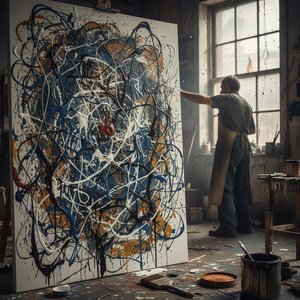
Paul Jackson Pollock: A Radical Departure – Exploring Abstract Expressionism's Pioneering Figure and His Enduring Legacy
Explore the revolutionary art of Jackson Pollock & Abstract Expressionism. Discover his iconic drip paintings, lasting impact, and considerations for collecting this pivotal American artist. Expert insights at OriginalUniqueArt.
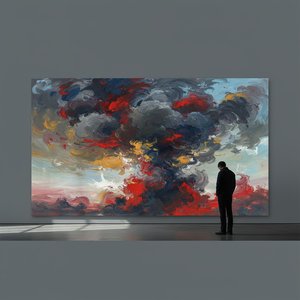
Beyond Representation: Exploring the Emotional Landscape of Abstract Expressionism
Explore the profound emotional world of Abstract Expressionism with OriginalUniqueArt. Discover key artists like Pollock & Rothko, learn about collecting, and find museum-quality reproductions to inspire your space.
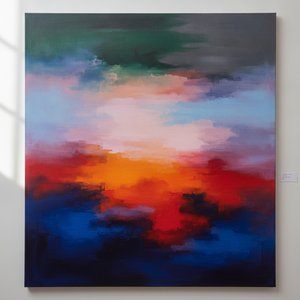
Color Field Painting: The Emotional Power of Pure Abstraction and Chromatic Depth
Explore the profound emotional depth of Color Field painting. Discover the history of mid-century abstraction, from Rothko to Newman, and learn how pure color transforms the viewer's experience through our expert art history guide.


