油彩画を購入
 Birthのすべて







































 いずれかの辺が105 cm(約41インチ)を超えるアートワークまたは複製画の場合、フレームは分解されたキットの状態でお届けいたします。この方法は、輸送中の破損を防ぎ、安全に配送するために採用しております。


A Tempestuous Birth: Decoding Pollock’s Abstract Vision
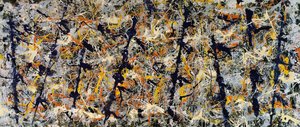
Jackson Pollock's *Birth* (1948-51) is a pivotal work within his mature “drip” period and a cornerstone of Abstract Expressionism. More than just an abstract composition, it represents a raw and visceral exploration of creation, chaos, and renewal – themes powerfully conveyed through its dynamic energy and complex layering. The painting doesn’t depict a literal birth; rather, it embodies the *feeling* of emergence, struggle, and transformation. It's a visual manifestation of internal forces unleashed onto the canvas.Technique & Materials: The Dance of Destruction and Creation
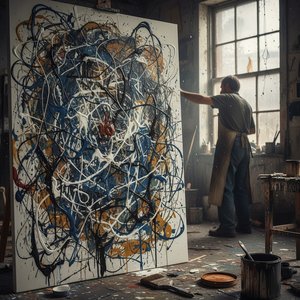
Pollock’s revolutionary technique is central to understanding *Birth*. Abandoning traditional easel painting, he laid his canvases on the floor, surrounding himself with pots of paint – primarily industrial enamels and aluminum paints alongside oil-based colors. He then employed sticks, hardened brushes, and even syringes to drip, fling, and pour paint onto the surface. This “action painting” wasn’t about carefully applying color; it was a performative act, a physical dialogue between artist and canvas. The resulting web of lines and splatters isn't random but meticulously controlled chaos. The layering is key, building up density and depth while simultaneously creating a sense of transparency where lighter colors peek through the darker ones. This technique allowed Pollock to circumvent representational concerns, focusing instead on pure form, color, and gesture. The size (116 x 55 cm) contributes to its immersive quality, drawing the viewer into the swirling vortex of paint.Symbolism & Interpretation: A Psychological Landscape
While Pollock resisted definitive interpretations of his work, *Birth* is often seen as reflecting his own psychological state and grappling with existential themes. The fragmented forms and turbulent energy can be interpreted as representing inner turmoil, anxiety, or the struggle to find meaning in a chaotic world. The presence of vaguely anthropomorphic shapes, particularly within the swirling blues and whites, suggests figures emerging from – or dissolving into – the surrounding darkness. Some scholars have linked these forms to ancient mythological imagery, hinting at archetypal themes of creation and destruction. The painting’s title itself is deliberately ambiguous; it doesn't specify *what* is being born, leaving room for personal interpretation. Is it a rebirth of the self? A new artistic vision? Or something more primal and universal?Historical Context & Legacy: Redefining Modern Art
Created in the aftermath of World War II, *Birth* reflects the anxieties and uncertainties of the era. Abstract Expressionism emerged as a distinctly American response to European artistic traditions, rejecting representational art in favor of subjective expression. Pollock’s work challenged conventional notions of painting, elevating process over product and emphasizing the artist's emotional experience. He became an icon of post-war America, embodying its spirit of innovation and rebellion. *Birth* remains a powerful testament to his artistic vision and continues to inspire artists and collectors today. Its influence can be seen in countless works of abstract art, solidifying Pollock’s place as one of the most important figures in 20th-century art history.Q&A
Birthは手描きですか、それともプリントですか?
手描きによる制作:熟練した画家が、リネンキャンバスに油彩でBirthを模写します。
Birthのサイズはどれを選べばよいですか?
原画のサイズは116 x 55 cmです。 サイズは46.5 x 21.5 cm (¥35151)から249.5 x 115.5 cm (¥198605)まで展開しております。こちらのページ内の表に、主な工程とそれぞれの価格を記載しています。
配送にはどのくらいの時間がかかりますか?
配送には4〜5週間を要し、世界中どこへでも速達便にて無料でお届けいたします。また、本ページではお急ぎの方向けの特急制作オプションもご用意しております。商品は、理由を問わず100日以内であれば全額返金での返品が可能です。
ジャクソン・ポロックはBirthの制作にどのような画材(メディア)を使用しましたか?
Oil On Canvas
 設置イメージを表示

 シェアする
 シェアする
 詳細を見る
 解説シート


 ダウンロード
 似ている作品
 X線調査
 スライドショーを表示
 Q&A

 統計情報